
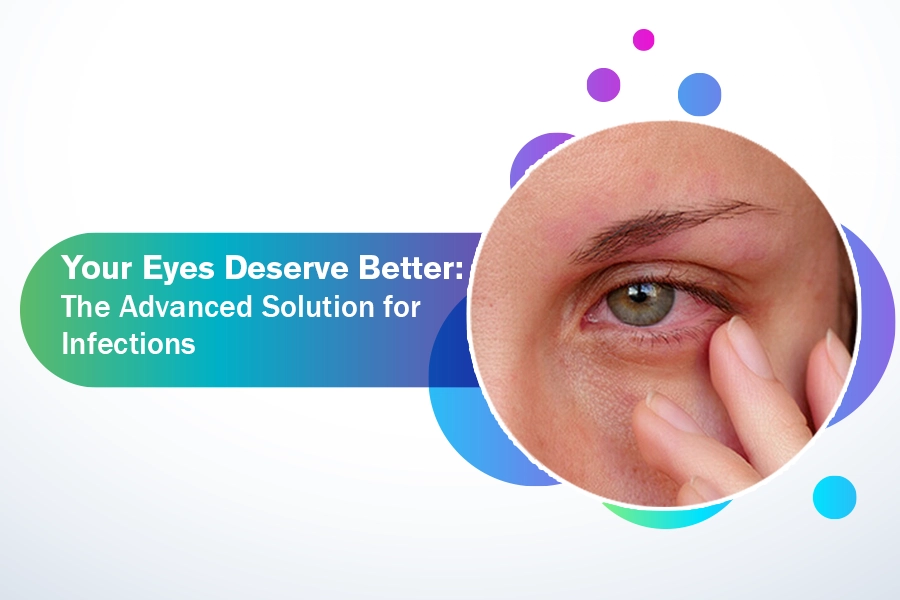
Your eyes are one of the body’s most delicate and most relied upon organs. When they become irritated, red, watery, painful, or discharging, it disturbs everything: work, sleep, driving, reading, and simply feeling like yourself. Fortunately, many eye infections are treatable, and a combination of good eye hygiene, timely care, and the correct medical Solution for Infections brings fast relief for most people. This guide explains how to recognize common eye infections, practical home care and hygiene, the modern antibiotic and non-antibiotic options clinicians use, prevention strategies, and where a nutraceutical like Macuchek Forte Capsule fits in the picture.
Important medical note: this article is informational. If you or someone else has severe eye pain, vision loss, intense redness, a foreign-body sensation, or light sensitivity, see an eye-care professional immediately; these can be signs of sight-threatening conditions. For routine conjunctivitis and minor eye infections, follow guidance from your clinician.
Types of eye infections and typical symptoms
Not all “red eyes” are created equal. Different causes require different treatments:
- Bacterial conjunctivitis often produces purulent (thick, yellow/green) discharge, eyelids stuck in the morning, and redness. Many cases are mild and self-limited, but topical antibiotics speed recovery and reduce transmission in contagious settings.
- Viral conjunctivitis — usually watery discharge, often starts in one eye and spreads to the other, commonly associated with colds; tends to be highly contagious and typically resolves over 1–2 weeks.
- Allergic conjunctivitis — itching, redness, and watery eyes in people with allergies; not infectious and best treated with antihistamine/mast-cell stabilizer drops.
- Keratitis (corneal infection or inflammation) — redness, pain, blurred vision, and light sensitivity; can be caused by bacteria, viruses (herpes), fungi, or contact-lens misuse. Keratitis can threaten vision and usually requires urgent ophthalmology care.
- Blepharitis and lid margin infections — inflammation of the eyelid margins that can cause crusting, irritation and secondary infection; management includes lid hygiene and, in some cases, topical antibiotics.
Knowing these differences helps you choose the right remedy and judge when to seek immediate help.
How eye infections spread, and why prevention matters
Eye infections spread easily because the eye surface is exposed and often touched with hands. Viral and bacterial conjunctivitis are especially contagious. Common transmission routes include:
- Touching your eyes with unwashed hands.
- Sharing towels, pillows, eye drops, or makeup.
- Contact-lens misuse (overnight wear, poor cleaning).
- Close contact in schools or workplaces.
Simple prevention steps dramatically cut infection risk and transmission, more on those in the “hygiene” section below. Public health authorities (like the CDC) stress these basic measures to control outbreaks.
First-line home care for most mild eye infections
For many mild conjunctivitis cases, sensible home care brings symptom relief while you wait for recovery or for medical review:
- Wash hands frequently and avoid rubbing the eyes. This is the single most effective preventive step.
- Use clean compresses: warm compresses loosen crusts in bacterial conjunctivitis; cool compresses relieve itching in allergic conjunctivitis. Use a fresh cloth each time.
- Artificial tears (over-the-counter) calm irritation, flush allergens and thin secretions. They’re useful across bacterial, viral and allergic causes.
- Stop contact lens wear until an eye-care professional clears you. Contacts increase the risk of bacterial keratitis, a potentially serious infection.
- Avoid sharing personal items: towels, makeup, pillowcases. Launder used linens in hot water.
These measures don’t replace medical treatment when needed, but they reduce discomfort and lower spread.
Medical treatments: antibiotic options, antivirals and supportive care
Choosing the right treatment depends on the cause. Here’s a practical look at common medical approaches.
Bacterial eye infections
Topical antibiotics (eye drops or ointments) are the mainstay for bacterial conjunctivitis and many superficial ocular infections. Common agents used worldwide include:
- Aminoglycosides (e.g., tobramycin, gentamicin) — good coverage for gram-negative bacteria.
- Macrolides (e.g., azithromycin ophthalmic) — have convenient dosing and good tissue penetration in some formulations.
- Fluoroquinolones (e.g., ofloxacin, moxifloxacin) — broad coverage and often used in more severe infections or contact-lens–related keratitis.
Many routine cases resolve without antibiotics, but topical antibiotics can speed recovery, reduce symptom duration, and decrease transmission, important when schools or workplaces are involved. Clinicians choose the specific agent based on local resistance patterns, severity, and the part of the eye involved (conjunctiva versus cornea).
Viral conjunctivitis
Most viral conjunctivitis (adenoviral) is self-limiting; treatment focuses on cold compresses, artificial tears and hygiene. Antiviral eye drops or systemic antivirals are reserved for herpes simplex or varicella-zoster eye infections, which can affect the cornea and threaten vision and therefore require urgent specialist care.
Allergic conjunctivitis
Antihistamine and mast-cell stabilizer eye drops, oral antihistamines, and allergen avoidance control allergic conjunctivitis. These are non-infectious and not treated with antibiotics.
Severe or sight-threatening infections
Keratitis (corneal infections), severe eyelid infections, or infections in contact-lens wearers require urgent ophthalmology review and often intensive topical (and sometimes systemic) antibiotic therapy. Delay risks scarring and vision loss.
“Advanced solution for eye infections”?
When we talk about an advanced solution, we mean evidence-based approaches, targeted, and minimize harm while restoring eye health quickly. Components include:
- Rapid, correct diagnosis (is it bacterial, viral, allergic, fungal, or parasitic?). Misdiagnosis leads to ineffective treatment.
- Targeted topical therapy — choosing the most appropriate antibiotic or antiviral based on the infection type and site. Topical agents concentrate medication at the eye surface while limiting systemic exposure.
- Adjunctive symptomatic care — lubricants, compresses, and anti-inflammatories where safe.
- Preventive measures — proper contact-lens hygiene, vaccination where relevant (e.g., varicella), and hygiene in community outbreaks.
- Specialist referral for keratitis, suspected fungal infections, or vision-threatening disease — timely specialist care is the true “advanced” component that protects sight.
An advanced solution, therefore, isn’t a single pill; it’s a pathway: correct identification → targeted topical therapy → symptom control → prevention and follow-up.
Where does Macuchek Forte Capsule fit in?
Macuchek Forte Capsule is a nutraceutical formulation marketed to support eye health. Product listings commonly show ingredients such as lutein, zeaxanthin, astaxanthin, lycopene, and omega-3 fatty acids (EPA/DHA) nutrients linked to retinal health, antioxidant protection, and reduction of age-related macular stress. Product pages from pharmacies list typical compositions and indicate their role in maintaining ocular health and possibly reducing fatigue or supporting macular function.
Important clarification: Macuchek Forte and similar nutraceuticals are not treatments for active eye infections like bacterial conjunctivitis, viral pink eye, or keratitis. They are dietary supplements intended to support long-term ocular health (e.g., macular protection, antioxidant effects), not to replace topical antibiotics, antivirals, or urgent ophthalmic care. If you have an active infection, follow clinical treatment; supplements may be considered later as supportive eye-health measures after discussing with your clinician.
Preventing future infections
Prevention is straightforward and highly effective:
- Wash your hands before touching your eyes or applying drops.
- Avoid eye rubbing and sharing towels, pillowcases or makeup.
- Contact lens hygiene: follow manufacturer instructions; replace lenses and storage cases as recommended; avoid sleeping in lenses unless approved.
- Dispose of infected makeup and avoid using eye cosmetics during infection.
- Stay home if contagious (viral or bacterial conjunctivitis) until cleared by a clinician or until the contagious period ends. This prevents the spread in schools and workplaces.
These simple steps reduce individual suffering and community outbreaks.
What to do when your eye becomes red or painful
- Stop contact lens wear immediately.
- Wash hands thoroughly; use a clean cloth for compresses.
- Use OTC artificial tears for comfort.
- Avoid shared towels and cosmetics.
- Seek prompt professional advice if pain, vision change, intense redness, or light sensitivity occurs.
Final thoughts
Eye infections are unpleasant and, in some cases, serious. The advanced solution combines early recognition, proper hygiene, targeted topical therapy and prompt specialist care when needed. Nutraceuticals like Macuchek Forte Capsule can play a role in long term eye health and antioxidant support but are not a substitute for medical treatment of active infections. With the right care, most people enjoy rapid relief and full recovery, and with good preventive practices, you’ll lower your risk of future episodes.
FAQs
Q1: How can I tell bacterial vs viral conjunctivitis?
A: Bacterial often has thick yellow/green discharge and eyelids stuck in the morning; viral is usually watery with recent cold symptoms. However, only a clinician can reliably differentiate in some cases. If in doubt especially with pain, vision changes, or contact-lens use seek professional care.
Q2: Do I always need antibiotics for pink eye?
A: No. Many cases of conjunctivitis (viral) resolve without antibiotics. Antibiotics are used for bacterial cases to shorten duration and reduce spread; a clinician can decide based on history and exam.
Q3: Are there over-the-counter cures for eye infections?
A: OTC measures lubricating drops, compresses, and hygiene relieve symptoms but don’t cure bacterial infections. Prescription topical antibiotics or antivirals are required for many infectious causes.
Q4: Can I use Macuchek Forte during an eye infection?
A: While Macuchek Forte may be safe as a supplement, it will not treat an active infection. Discuss use with your clinician; prioritize prescribed topical treatments for active infections.
Q5: When should I see an eye specialist urgently?
A: Severe eye pain, sudden vision loss or blurring, intense light sensitivity, or a corneal ulcer/foreign body sensation requires immediate ophthalmic evaluation. Delays can risk permanent vision loss.
References
- Centers for Disease Control and Prevention — Conjunctivitis (Pink Eye): overview, prevention and treatment guidance. CDC
- Mayo Clinic — Pink eye (conjunctivitis): Diagnosis & treatment. Practical guidance on when to seek care and treatment options. Mayo Clinic
- Medscape / eMedicine — Bacterial Conjunctivitis: Medication and management. Review of topical antibiotics and clinical approach. eMedicine
- PubMed Central — A European perspective on topical ophthalmic antibiotics (review of topical agents like azithromycin and fluoroquinolones). PMC






Leave a Reply