
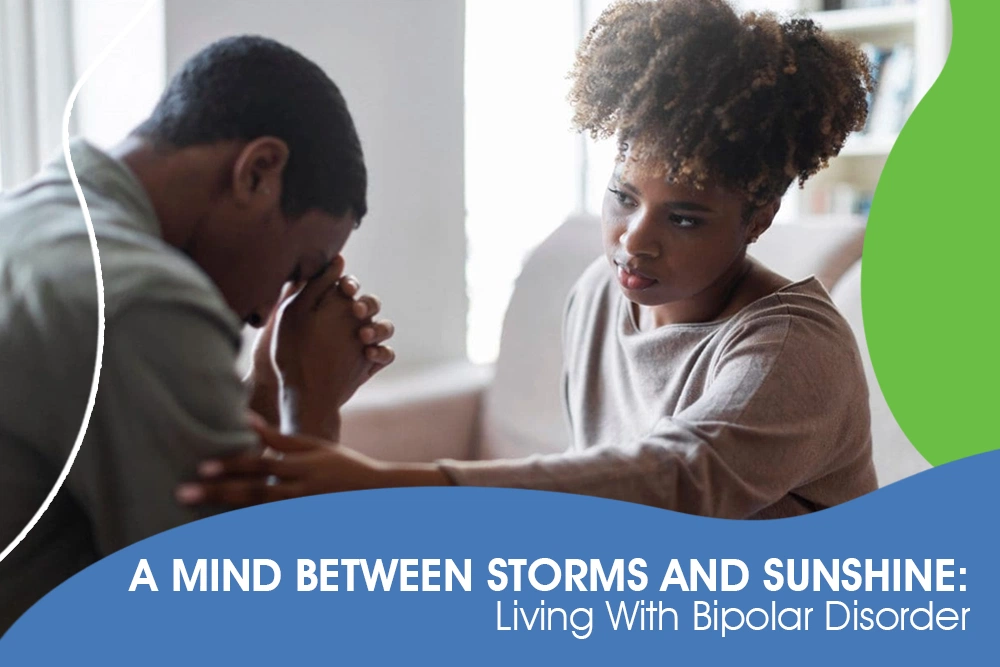
I read a sentence somewhere that stated, “Bipolarity is not a sentence, but a dance you can learn.” Some days feel like standing under a bright sunshine- everything feels energetic,encouraging and unstoppable momentum… it feels like you have won the whole world. On the other hand, some days are like a heavy storm approaching you- life feels stuck, same routines, simple tasks feel impossible. For people living with bipolar disorder life is not a straight path it is an unwavering turnover of emotions. Often misunderstood as a ride of emotions it is actually so much beyond that. Understanding such disorders is the first step towards managing it . So, let’s take a step forward towards something better and help people.
What is Bipolar disorder?
Bipolar disorder is a condition that is characterized by periods of depression and abnormally elevated mood swings that last from weeks to months in some cases. If the elevated mood is severe or due to psychosis it is called mania and it is known as hypomania if it does not affect functioning. It was previously known as manic depression. In 2021, around 37 million people including approximately 34 million adults were living with Bipolar disorder. In the USA, about 4.4% of individuals experience the disorder at one point in their life. There are reports that an estimated 15-20% of individuals suffering with Bipolar disorder die by suicide. Approximately 30-60% of them attempted suicide. The prevalence of the disorder is equal between men and women, but available data indicated that women are more often diagnosed with the condition.

Types of Bipolar Disorder
The main type of Bipolar disorders are:
- Bipolar I Disorder
This is characterized by manic episodes lasting 7 days or more or severe mania that requires hospitalization. The person can also experience a major depressive episode that can last for 2 weeks or more.
- Bipolar II Disorder
This includes both mania and depression, but the mania observed in this case is less severe than the one seen in Bipolar I. This type of disorder is generally considered as hypomania by healthcare providers. The person may experience a major depressive episode preceding or following a manic episode.
- Cyclothymic disorder
Cyclothymia or cyclothymic disorder is a milder form of bipolar disorder. It involves frequent mood swings of hypomanic and depressive episodes. It includes symptoms of hypomania and depression that lasts for 2 years or more in adults or 1 year in children. These changes occur anytime and quickly as well.
- Other types
Individuals with these disorders often experience symptoms that are not seen in the above categories. The symptoms may occur due to drug or alcohol use or any other medical condition.
Understanding the type of bipolar disorders help in planning effective treatment for the physicians.
Bipolar Disorder Symptoms
Bipolar disorder symptoms usually start from early adulthood or adolescents. Let’s have a look at the symptoms according to the different conditions:
- Mania
Manic episodes can show symptoms such as:
- Anger or irritability
- Poor concentration
- High self esteem
- Overactivity associated with high energy levels
- Intense excitement
- Overthinking
- Restlessness
- Hypomania
Major symptoms of hypomania are similar to mania but they are less severe. Some of the other symptoms that are seen are:
- Rapid speech
- Less need for sleep
- Can get easily distracted
- Participating in risky activities
- Increased focus on goals
- Depression
Depressive symptoms of Bipolar disorder are similar to the symptoms seen in Depression and they are:
- Extreme fatigue
- Feeling extremely low and sad
- Insomnia
- Loss of appetite
- Overeating
- Loss of concentration
- Low self-esteem
- Hopelessness
- Thoughts of self-harm or suicide
All these symptoms can interfere with work, relationships and daily activities.

Causes
The causes of Bipolar disorder varies from person to person and the exact reason for the disorder is still unclear. Although it is believed that the below factors can be a cause of the condition:
- Genetics
Genetics plays an important role in daily functioning of our lives. Genetics influence the risk of developing the disorder by about 73-93%. Behavioural studies suggested that many chromosomal regions are associated with bipolar disorder by every gene causing mild to moderate effect. The risk of the disorder is expected to be higher in people with first-degree relatives who already have the disorder in comparison to the normal population.
- Environmental triggers
Psychological factors influence the risk of disorder majorly. Recent life events and interpersonal relationships likely contribute to the occurrence of the disorder or manic episodes. According to a survey, 30-50% patients reported that they had a traumatic childhood which indicates that relationships could trigger your brain and increase the risk of the disorder.
- Brain chemistry
One more contributing factor to bipolar disorder is an imbalance of certain brain chemicals called neurotransmitters. Chemical imbalances lead to occurrence of different symptoms in different people. There are also structural changes in the brain of a person living with bipolar disorder.
- Neurological factors
Although quite rare, bipolar disorder can be caused by neurological conditions or injury like stroke, traumatic brain injury, HIV infection, multiple sclerosis,etc.
Challenges of living with Bipolar Disorder
- Mood Instability and Relapse
Frequent, unpredictable shifts in the mood specifically between mania or hypomania and deep depression makes it difficult to maintain mental stability. As there will be imbalance in the mood it will cause emotional instability.
- Relationships and Social Anxiety
Behavioural changes during episodes has led to higher divorce rates, family discord, difficulty in maintaining friendships. Friends, family and close relatives find it difficult to understand the mood of the person dealing with the problem.
- Health & Safety Risks
The risk of self-harm and suicide is significantly higher in the individuals living with bipolar disorder than in normal people. These people have a 8-12 year shorter life expectancy on average.
- Workplace challenges
High energy levels and poor concentration can challenge productivity.
- Social stigma
Social stigma is one of the common problems faced by every person that is struggling with mental health challenges. What makes it exceptional is that individuals might feel disgraced to seek medical help in such conditions.
Despite all these challenges, effective treatment can significantly improve the quality of life.
Bipolar Disorder Management Strategies
The aim of management is to treat acute episodes safely with medication and other strategies to prevent further episodes. It involves a combination of lifestyle and medical approaches.
- Medication Therapy
Physicians might prescribe mood stabilizers, antipsychotics, antidepressants, wakefulness medications for the treatment of bipolar disorder.
Modafinil for Bipolar Disorder
Modacharge 200 mg (Modafinil) may sometimes be used as an adjunct therapy for the treatment of Bipolar Disorder, particularly those related to fatigue, excessive sleepiness and cognitive impairment. Modacharge 200 mg is not a primary treatment for Bipolar disorder and should be used carefully under medical supervision.
Benefits of Modacharge 200 mg for Bipolar Disorder:
- May Improve energy during bipolar depression
- Helps reduce excessive daytime sleepiness
- Improves cognitive impairment
- Can support daily work and functioning
Important considerations:
Modafinil can be used for some problems but it is not suitable for everyone with bipolar disorder. Follow the following tips:
- It may trigger manic or hypomanic episodes in few individuals
- It should be used with mood stabilizers and not alone
- Close monitoring by a healthcare professional is essential
- Psychotherapy
Psychotherapy aims to assist patients to accept their disorder and seek medical help when necessary. Coping with bipolar disorder means coping with stress, improving interpersonal relationships, recognizing and addressing the symptoms. Cognitive behavioural therapy(CBT) is one of the most essential therapy to prevent relapse of episodes.
- Lifestyle changes
A healthy routine can play a major role in stabilizing mood. Important lifestyle habits include:
- Following a sleep schedule
- Eating healthy food
- Avoiding alcohol or substance abuse
- Managing obesity
- Practicing mindfulness or meditation
When you live a good and healthy lifestyle you are going to be away from all the disorders.
Conclusion
Even in the wildest weather there are ways to balance, similarly even in the darkest days there is a ray of light shining from above. Bipolar disorder might be something very straining but that is not the end, there are ways to fight with it. While the condition can bring periods of emotional highs and lows, it does not determine a person’s future. With right treatment along with Modacharge 200 mg, proper diagnosis individuals with Bipolar disorder can lead a meaningful and happy life. Follow the treatment under medical supervision only.
Awareness, compassion, and education remain essential in reducing stigma and helping those affected receive the support they deserve.
FAQs
- What is bipolar disorder?
Bipolar disorder is a mental health condition that is affected by extreme mood swings that are emotionally high and low.
2. By what age can Bipolar disorder start?
Bipolar disorder can start by any age but it is usually diagnosed in the early 20s or teenage years.
3. What are the symptoms of bipolar disorder?
The common symptoms of bipolar disorder are extreme mood swings, significant changes in activity and energy levels, altered sleep patterns(more sleep in depression, less sleep in mania), overthinking or rapid speech, etc.
4. What can I use to treat the fatigue related to bipolar disorder?
One good option to treat fatigue related to bipolar disorder is Modacharge 200 mg that consists of Modafinil.
5. Do people with bipolarity have high intelligence?
No. There is no such link between bipolarity and intelligence.



Leave a Reply