
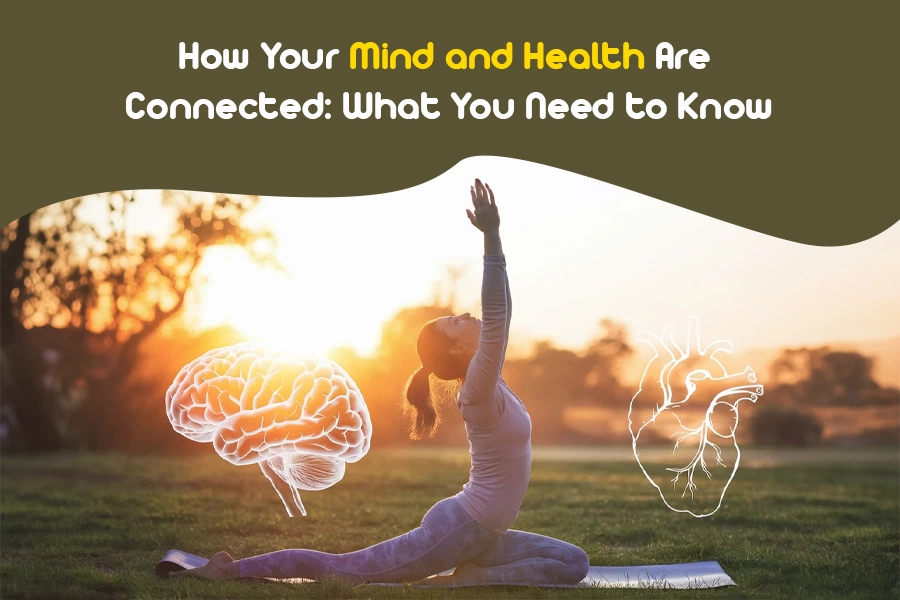
For centuries, Western medicine treated the mind and Health as separate entities—psychological issues belonged to psychiatrists, while physical ailments were handled by physicians. This artificial division ignored what traditional healing systems and modern science now confirm: our psychological and physical health are inextricably linked. Understanding this mind-body connection isn’t just intellectually interesting; it’s essential for achieving true wellness and preventing disease.

The Science Behind the Mind-Body Connection
The mind-body connection operates through sophisticated biological pathways that allow thoughts, emotions, and mental states to directly influence physical health. This isn’t mystical or metaphorical—it’s measurable, observable physiology.
The brain communicates with every organ system through the nervous system and hormonal signals. When you experience an emotion, your brain releases neurotransmitters and hormones that travel throughout your body, affecting everything from heart rate and blood pressure to immune function and digestion. Anxiety triggers the release of adrenaline and cortisol, which prepare your body for “fight or flight” by increasing heart rate, raising blood sugar, and redirecting blood flow away from non-essential functions like digestion.
This system evolved to help us survive immediate physical threats, but modern stressors—work pressure, financial worries, relationship conflicts—activate these same pathways chronically. The result is that temporary, adaptive responses become sustained states that damage health over time.
Research in psychoneuroimmunology has revealed that mental states directly affect immune function. Chronic stress suppresses immune responses, making you more susceptible to infections and potentially affecting cancer surveillance. Conversely, positive emotional states and social connections enhance immune function, helping your body fight disease more effectively.

Understanding the Impact of Stress on the Body
Perhaps no aspect of the mental and physical health link is better documented than the impact of stress on the body. Stress isn’t just an uncomfortable feeling—it’s a whole-body physiological state with measurable consequences.
Cardiovascular Effects
Chronic stress significantly increases the risk of heart disease, hypertension, and stroke. Stress hormones cause blood vessels to constrict, raise blood pressure, and increase inflammation in arteries. Over time, this accelerates atherosclerosis—the buildup of plaques that can trigger heart attacks and strokes. Studies show that people experiencing chronic work stress or caring for seriously ill family members have substantially higher cardiovascular disease rates.
Digestive System Disruption
The gut-brain axis represents one of the most fascinating aspects of mind-body wellness. Your digestive system contains hundreds of millions of neurons and produces significant amounts of neurotransmitters, including about 90% of your body’s serotonin. Stress directly affects gut motility, acid production, and the balance of gut bacteria. This explains why anxiety often manifests as stomach upset, why irritable bowel syndrome flares during stressful periods, and why digestive issues can affect mood and mental clarity.
Immune System Suppression
Mental health effects on health are particularly evident in immune function. Chronic stress elevates cortisol levels, which suppress immune responses. This makes stressed individuals more susceptible to colds, flu, and other infections. Research has shown that stressed medical students produce fewer antibodies in response to vaccines, and caregivers of dementia patients show impaired wound healing and reduced vaccine effectiveness.
Musculoskeletal Tension
Psychological tension manifests as physical muscle tension. Chronic stress keeps muscles in a semi-contracted state, leading to tension headaches, back pain, neck stiffness, and temporomandibular joint disorders. Many people are unaware they’re holding tension until it results in chronic pain, creating a cycle where pain increases stress, which increases muscle tension.
Metabolic Changes
Stress hormones affect how your body processes food and stores energy. Cortisol increases appetite, particularly for high-calorie foods, and promotes fat storage, especially around the abdomen. Chronic stress is associated with insulin resistance, metabolic syndrome, and increased diabetes risk. This metabolic disruption contributes to the strong association between depression and obesity.
Mental Health Effects on Physical Health: The Evidence
The mental and physical health link extends beyond stress to encompass all aspects of psychological wellbeing. Depression, anxiety, trauma, and other mental health conditions produce tangible physical consequences that affect longevity and quality of life.
People with depression have significantly higher rates of cardiovascular disease, diabetes, and premature death—even after controlling for health behaviors like smoking and exercise. The inflammatory changes associated with depression may directly contribute to these physical diseases. Depression literally hurts: chronic pain is both more common and more severe in depressed individuals, and the relationship is bidirectional—chronic pain increases depression risk.
Anxiety disorders affect physical health through multiple mechanisms. The chronic activation of stress responses damages the cardiovascular system, disrupts sleep, and impairs immune function. People with anxiety disorders have higher rates of respiratory problems, gastrointestinal disorders, and chronic pain conditions.
Post-traumatic stress disorder demonstrates perhaps the most dramatic physical health impacts. PTSD is associated with increased rates of autoimmune diseases, cardiovascular disease, and accelerated biological aging. Trauma literally gets “under the skin,” altering stress response systems in ways that persist for decades.
Embracing Holistic Health: A Comprehensive Approach
Recognizing the mind-body connection demands a shift toward holistic health—an approach that addresses mental, emotional, physical, and even spiritual dimensions of wellbeing simultaneously.
Holistic health doesn’t mean rejecting conventional medicine; rather, it means integrating evidence-based practices that acknowledge how different aspects of health interact. A holistic approach to heart disease, for example, includes not just medications and procedures, but also stress management, emotional support, and lifestyle modifications that address the whole person.
This perspective has profound implications for both prevention and treatment. Preventing disease requires addressing psychological wellbeing alongside physical risk factors. Treating existing conditions means considering how mental health influences physical symptoms and recovery, and vice versa.
Mind-Body Wellness Practices
Several practices have demonstrated effectiveness in improving both mental and physical health by working with the mind-body connection:
Mindfulness and Meditation: Regular meditation practice reduces inflammation, lowers blood pressure, improves immune function, and alleviates symptoms of anxiety and depression. Mindfulness-based stress reduction has become a mainstream medical intervention with robust research support.
Yoga: Combining physical postures, breathing, and meditation, yoga addresses mind-body wellness comprehensively. Research shows benefits for cardiovascular health, pain management, mental health, and stress reduction.
Breathwork: Controlled breathing directly influences the autonomic nervous system, shifting the body from stress response to relaxation. Simple breathing exercises can lower blood pressure, reduce anxiety, and improve focus within minutes.
Regular Exercise: Physical activity benefits mental health as powerfully as it benefits physical health. Exercise reduces depression and anxiety, improves cognitive function, and enhances stress resilience while simultaneously strengthening the cardiovascular system and metabolic health.
Social Connection: Strong relationships and social support improve both psychological wellbeing and physical health outcomes. Social isolation is as dangerous to health as smoking, while meaningful connections enhance immune function and longevity.
Practical Strategies for Integrating Mind-Body Health
Understanding the connection is one thing; applying it to daily life is another. Here are practical approaches to honoring the psychological and physical health relationship:
Address Mental Health Proactively
Don’t wait for a crisis to prioritize mental health. Regular check-ins with yourself, therapy when needed, and practices that support emotional regulation should be as routine as dental cleanings or annual physicals. Treating mental health conditions isn’t just about feeling better emotionally—it’s essential preventive medicine for physical health.
Listen to Your Body’s Signals
Physical symptoms often reflect emotional or psychological states. Recurring headaches, digestive issues, or muscle tension may signal unaddressed stress or emotional needs. Rather than simply medicating symptoms, explore what your body might be communicating about your mental state.
Develop Stress Management Skills
Since stress is the primary pathway through which mental states affect physical health, developing effective stress management is crucial. This might include mindfulness practices, regular exercise, adequate sleep, time in nature, creative expression, or whatever helps you process and release tension.
Integrate Movement Into Daily Life
Physical activity shouldn’t be separated from mental health care. Movement reduces stress hormones, increases mood-enhancing neurotransmitters, and provides a healthy outlet for emotional energy. Find forms of movement you genuinely enjoy to ensure consistency.
Cultivate Meaningful Relationships
Prioritize social connections as part of your health strategy. Regular meaningful interactions with friends, family, or community reduce stress, provide emotional support, and literally extend your life.
Practice Self-Compassion
How you relate to yourself mentally affects you physically. Self-criticism and harsh internal dialogue create chronic stress, while self-compassion activates calming physiological responses. Treating yourself with kindness isn’t indulgent—it’s health-promoting.
The Future of Medicine: Integrated Care
Healthcare is slowly evolving to reflect the reality of mind-body connections. Integrated care models that combine mental health services with primary care, behavioral health interventions in medical settings, and recognition of psychological factors in disease management are becoming more common.
This shift acknowledges that treating physical disease without addressing mental health, or treating mental health without considering physical factors, provides incomplete care. The most effective interventions address both dimensions simultaneously, recognizing that improving one naturally benefits the other.
Taking Action
You don’t need to overhaul your entire life to start benefiting from mind-body awareness. Small changes—ten minutes of daily meditation, a short walk when stressed, reaching out to a friend, or seeking therapy for long-standing emotional struggles—can initiate positive cascades that improve both mental and physical wellbeing.
The mind-body connection means you have more influence over your physical health than you might realize. While you can’t think away serious illness or ignore the need for medical treatment, you can support your body’s natural healing and resilience through mental and emotional wellbeing. Similarly, caring for your physical health through movement, nutrition, and sleep creates the biological foundation for mental health.
True wellness emerges from honoring the fundamental unity of mind and body—not as separate systems requiring different approaches, but as aspects of one integrated whole that deserves comprehensive, compassionate care.
Frequently Asked Questions
Q1: Can mental stress really cause physical illness?
Yes, chronic mental stress can contribute to numerous physical illnesses. While stress alone may not directly “cause” most diseases, it significantly increases risk for cardiovascular disease, diabetes, autoimmune conditions, and digestive disorders. Stress also weakens immune function, making you more susceptible to infections.
Q2: How quickly can improving my mental health affect my physical health?
Some changes occur remarkably quickly. Stress reduction techniques like deep breathing or meditation can lower blood pressure and heart rate within minutes. Regular practice over weeks can reduce inflammatory markers and improve immune function. Mental health improvements like reduced anxiety or depression often lead to better sleep, healthier eating, and increased physical activity within days to weeks, creating cascading physical benefits.
Q3: What are the first signs that my mental health is affecting my physical health?
Common early warning signs include: persistent headaches or muscle tension, digestive issues like stomach upset or irritable bowel symptoms, frequent minor illnesses suggesting weakened immunity, sleep disturbances, unexplained fatigue despite adequate rest, changes in appetite or weight, and worsening of existing chronic conditions.
Q4: Is the mind-body connection scientifically proven or just alternative medicine?
The mind-body connection is firmly grounded in mainstream scientific research, not alternative medicine philosophy. Fields like psychoneuroimmunology, behavioral medicine, and health psychology have produced thousands of peer-reviewed studies documenting how psychological states affect physical health through measurable biological mechanisms. Major medical institutions now incorporate mind-body approaches like mindfulness-based stress reduction and cognitive-behavioral therapy for physical conditions.
Q5: Can I improve my mental health by focusing on physical health?
Absolutely. The mind-body connection works in both directions. Regular exercise is as effective as medication for mild to moderate depression and anxiety. Quality sleep improves emotional regulation and stress resilience. Proper nutrition affects neurotransmitter production and brain function.




Leave a Reply