

In a world obsessed with curated perfection, celebrity narratives often serve as carefully constructed facades. Yet, over the last few years, few public figures have demonstrated the profound courage to shatter this illusion quite like Selena Gomez. The actress, musician, and entrepreneur has transformed her deeply personal journey with mental illness, including Selena Gomez anxiety, Selena Gomez depression, and her Selena Gomez bipolar disorder diagnosis, from a private struggle into a powerful movement for global youth mental health.
Her candidness, particularly through her documentary My Mind & Me and her work with Rare Beauty mental health initiatives, is not just a story of survival but a revolutionary act of vulnerability that has shifted the conversation about mental health awareness in Hollywood. It has empowered millions to understand that feeling “broken” doesn’t mean you have to stay broken.
A long history of honesty: anxiety, depression, and the spotlight
Gomez’s relationship with mental health has been public almost as long as her career has been. She has described long periods of anxiety and depression tied to early fame, touring, and the pressures of public life. In interviews, she has described panic attacks before and after performing and admitted that, for a long while, she “felt I wasn’t good enough” despite outward success. These early accounts helped normalize talking about anxiety and made silence feel less compulsory for other young fans.
As her story unfolded, other medical complications, notably a lupus diagnosis and a kidney transplant, intersected with her mental health. Physical illness and chronic medical treatment are real drivers of anxiety and depression for many people, and Gomez has repeatedly reminded audiences that mental and physical health are linked.
Lessons from My Mind & Me
If her diagnosis was the turning point, the 2022 documentary, Selena Gomez: My Mind & Me, was the moment she fully shattered the celebrity facade. Spanning six years of her life, the film is not a polished highlight reel, but an intimate, raw, and messy look into the reality of living with a mood disorder in the public eye. It offered the world the clearest view yet of the true cost of fame on her well-being, providing powerful lessons for everyone grappling with mental health.
The Breakdown and the Diagnosis
The documentary’s most harrowing sequences detail the mental and emotional chaos that led to the cancellation of her 2016 Revival Tour. Viewers witness the singer, crippled by self-doubt and relentless perfectionism, breaking down in rehearsals. This intense emotional distress, combined with the physical toll of Lupus, culminated in a nervous breakdown and a psychotic episode in 2018.
Her friend’s raw recount of the time where Gomez said, “I don’t want to be alive right now” and her mother’s revelation that she learned about her daughter’s hospitalization through TMZ, underscore the shocking reality and isolation of her struggle. These moments were not just personal tragedies; they were public indictments of a system that treats celebrities as products until they break.
Gomez’s subsequent diagnosis of Selena Gomez’s bipolar disorder provided a framework, but the documentary shows that knowing the name is only the first step. The film is a six-year journal demonstrating the intense work required to manage the condition. She openly discusses the terrifying, “pitch black” void of deep depression and the lingering fear, “What if I couldn’t come back?”
The Power of Detachment
One of the central themes woven throughout My Mind & Me is the process of defining herself outside of the spotlight’s expectations, particularly in relation to past, highly-publicized romantic relationships. She candidly shares her frustration, crying, and asking, “When am I going to be good enough just by myself… not needing anyone else to be associated with?”
This struggle reveals the toxicity of external validation and the intense Selena Gomez anxiety it fueled. The documentary ultimately serves as her declaration of independence, a cinematic moment where she embraces the philosophy: “I am enough. I am Selena.” It is a powerful message for anyone whose identity has been fractured by external expectations, be it from social media, family, or professional pressure.
Selena Gomez’s Evolving Self-Care
Gomez’s sustained well-being is not accidental; it is built on a non-negotiable, proactive Selena Gomez self-care routine that prioritizes her mind above her career. This routine has evolved, moving from reactive coping mechanisms to preventative, grounding practices.
1. The Therapeutic Anchor: DBT and Medication
Gomez’s commitment to her mental health is cemented by her devotion to therapy, specifically Dialectical Behavior Therapy (DBT). DBT is not a quick fix; it is a structured, skills-based approach designed to help people manage intense emotions and build resilience.
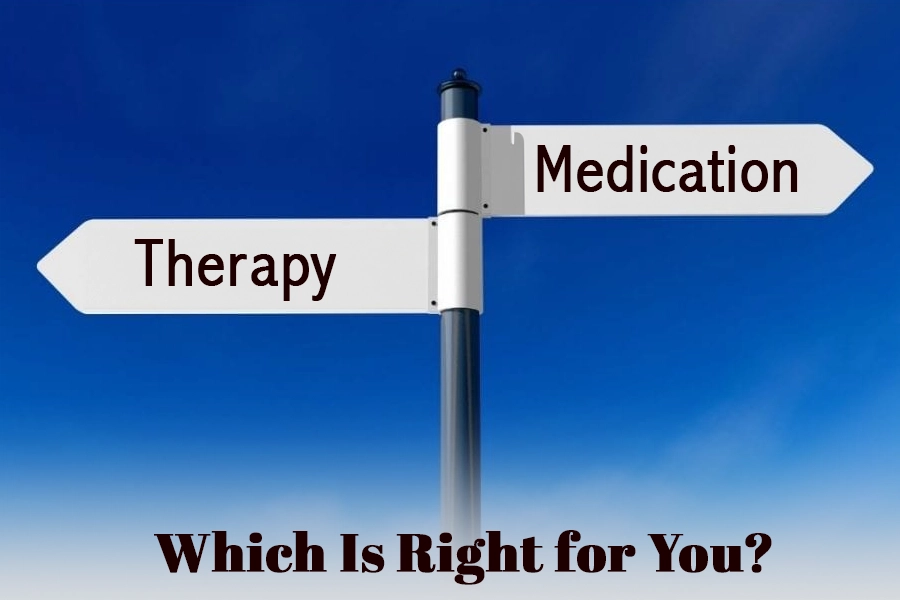
She views her regular therapy sessions as essential as breathing, dismissing the idea that it’s only for times of crisis. Alongside this, her frank acceptance of medication for her bipolar disorder is a huge step in destigmatizing pharmacological intervention. She stated, “I believe in medication. It has completely changed my life.” This acceptance is a beacon for others who feel shame about needing chemical support to balance their neurochemistry.
2. Physical and Temperature Therapy
Her self-care extends into the physical realm, which she uses as a tool to combat stress and clear her mind. Boxing has become a favored form of “moving meditation,” requiring a focus that forces the mind to clear itself of intrusive thoughts and anxiety.
More recently, Gomez has spoken about the use of temperature therapy. She finds both cold exposure (like a cold shower or plunge) and heat exposure (like a sauna or a simple heating pad, which she calls an “anxiety blanket”) to be powerful mechanisms for mood regulation. The alternating exposure can help lower cortisol levels and provide a physical reset when her emotional state feels overwhelming.
3. Radical Boundary Setting
Perhaps the most impactful element of her routine is her radical approach to boundaries, particularly regarding social media. She famously put down her phone and handed control of her accounts to an assistant years ago. As one of the most-followed women in the world, this decision was a powerful acknowledgment that constant scrutiny and toxic online comparison are detrimental to her mental stability.
She also learned to set boundaries with her own environment. In a recent interview, Gomez shared that she no longer sleeps in her own bedroom because she associates it with the dark, isolated periods of deep depression where she was unable to leave her bed for weeks. By physically changing her environment, she prevents potential emotional triggers, illustrating a level of self-awareness and self-protection that is vital for anyone managing a mood disorder.
The Business of Compassion
Selena Gomez’s entrepreneurial endeavor, Rare Beauty, is inextricably linked to her advocacy. It is a beauty brand with a mission: to create a world where everyone is celebrated and supported. The vehicle for this mission is the Rare Impact Fund, which has revolutionized the concept of corporate responsibility in Hollywood.
A Financial and Philanthropic Force
The Fund’s ambitious goal is to raise $100 million over ten years to address the gap in mental health services for young people. This is achieved through a permanent commitment: 1% of all Rare Beauty sales, along with funds raised through philanthropic partnerships, are dedicated to the cause. This sustainable model ensures that the fight for mental health awareness in Hollywood is not a fleeting campaign but an enduring corporate mission.
The Fund focuses its investments in three strategic priority areas:
- School-Based Solutions: Addressing the fact that young people spend most of their time in educational settings.
- Networks of Support: Investing in organizations that build strong social connections and community mental health resources.
- Suicide Prevention and Crisis Support: Providing resources for immediate, life-saving intervention.
Global Reach and Strategic Partnerships
The Rare Impact Fund acts as a strategic grant-maker, partnering with respected non-profit organizations across five continents. These partners include major institutions like the JED Foundation, which focuses on comprehensive suicide prevention in schools and universities, and McLean Hospital, where Gomez herself sought help.
Crucially, the fund’s reach is global and equitable. It supports organizations like Trans Lifeline (operating peer-support hotlines) and Black Teacher Project (addressing isolation and burnout in Black educators). The investment also extends internationally, supporting partners like Kolkata Sanved in India, which uses dance movement therapy for psycho-social well-being. This demonstrates a deep commitment to advancing equity in the mental health space, ensuring that young people from all backgrounds benefit from the resources generated by Rare Beauty mental health advocacy.
The New Blueprint: Celebrities and the Mental Health Shift
Selena Gomez stands at the forefront of a profound cultural shift led by celebrities talking about mental health. Alongside peers like Lady Gaga (and her Born This Way Foundation) and Ryan Reynolds (and his open discussions on anxiety), Gomez has helped normalize the conversation by leading with authenticity rather than perfection.
Her greatest gift to the public is the concept of the “work in progress.” She doesn’t claim to be cured or to have defeated her diagnosis; rather, she says she is learning to make her condition her “friend.”
Her powerful concluding monologue in My Mind & Me summarizes this philosophy:
“I’m at peace. I’m angry. I’m sad. I’m confident. I’m full of doubt. I’m a work in progress. I am enough. I am Selena.”
This quote is a revolutionary statement against the binary thinking that often surrounds mental illness, the idea that you are either “well” or “sick.” Gomez asserts that emotional complexity and vulnerability are the hallmarks of being human, and that acknowledging all the parts of your mind is the most powerful step toward embracing calm. Her journey transforms the often-misunderstood terms of Selena Gomez’s depression, Selena Gomez’s anxiety, and Selena Gomez’s bipolar disorder into components of a powerful life lived, not obstacles to a life lost.
Frequently Asked Questions (FAQs)
Q1: What is Selena Gomez’s official mental health diagnosis?
A: Selena Gomez was officially diagnosed with bipolar disorder in 2020. She has also been very open about her long-term struggles with severe Selena Gomez anxiety and depression. She has stressed that receiving the diagnosis was a relief as it provided a name and a treatment plan for her emotional turmoil.
Q2: What is the mission and funding mechanism of the Rare Impact Fund?
A: The Rare Impact Fund, fueled by the mission of Rare Beauty mental health advocacy, aims to raise $100 million over ten years to expand access to mental health services and education for young people globally. The fund is sustained by donating 1% of all Rare Beauty sales, supplemented by grants and partnerships.
Q3: What specific therapeutic technique does Selena Gomez credit for her recovery?
A: Gomez frequently credits Dialectical Behavior Therapy (DBT) with fundamentally changing her life. DBT is an evidence-based, skills-focused therapy used to help individuals regulate intense emotions, practice mindfulness, and improve relationships.
Q4: How does Selena Gomez manage the pressure of social media?
A: Gomez employs a radical boundary: she stopped managing her own social media accounts (Instagram, etc.) years ago. She has an assistant post content, which allows her to maintain a presence while protecting herself from constant scrutiny, toxic comparisons, and the pressure of perpetual “performance,” which triggers her anxiety.
Q5: Why is her discussion of her mental health important for the broader public?
A: As one of the most-followed and visible celebrities talking about mental health, her candor about her diagnosis, suicidal ideation, and the reality of life with a chronic condition has been crucial for mental health awareness in Hollywood. It helps dismantle the stigma, showing that mental illness is not a moral failing but a health condition that can be managed, regardless of external success.
Q6: Does Selena talk about medication and therapy?
A: Yes. In recent interviews, she has said she is “properly medicated” and uses therapy and grounding tools alongside lifestyle strategies to manage symptoms.
References
https://time.com/6979619/rare-beauty/
https://www.vogue.com/article/selena-gomez-april-cover-interview-mental-health-instagram




Leave a Reply