
Stress has become an unwelcome companion in modern life. Whether it’s work deadlines, financial pressures, relationship challenges, or simply the overwhelming pace of daily responsibilities, stress affects us all. While we can’t eliminate stress entirely, we can learn to manage it effectively through practical behavioral health solutions that fit seamlessly into our everyday routines.
Understanding the Impact of Daily Stress
Before diving into solutions, it’s essential to acknowledge that not all stress is inherently bad. Short-term stress can motivate us and enhance performance. However, chronic everyday stress—the kind that persists day after day—takes a serious toll on our physical and mental health. It can manifest as headaches, muscle tension, digestive problems, sleep disturbances, irritability, anxiety, and difficulty concentrating.
The good news is that simple stress reduction methods, when practiced consistently, can significantly enhance our overall well-being and functioning. You don’t need expensive therapies or radical lifestyle overhauls to make a meaningful difference. Small, intentional changes in behavior and thinking patterns can create powerful ripple effects throughout your life.

Build a Foundation with Mental Wellness Habits
Creating lasting change starts with establishing mental wellness habits that support your overall well-being. Think of these as the foundation upon which all other stress management techniques are built.
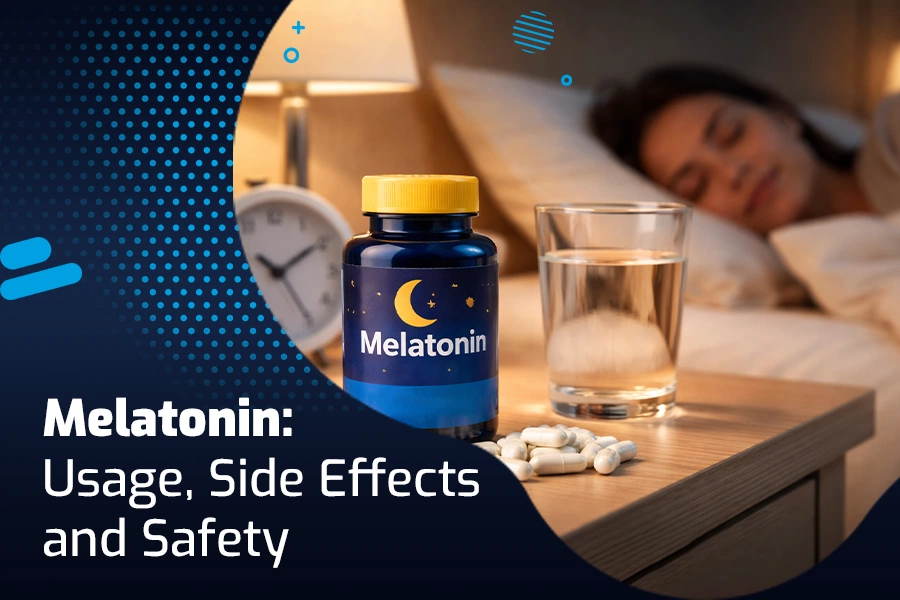
Prioritize Sleep: Quality sleep is perhaps the most powerful stress buffer we have. When you’re well-rested, you’re better equipped to handle challenges, regulate emotions, and think clearly. Aim for 7-9 hours nightly by maintaining a consistent sleep schedule, creating a relaxing bedtime routine, and keeping your bedroom cool, dark, and quiet.
Practice Consistent Self-Care: Self-care isn’t selfish—it’s essential maintenance. This means eating regular, nutritious meals rather than skipping breakfast and relying on coffee, staying hydrated throughout the day, and making time for activities that genuinely rejuvenate you, whether that’s reading, gardening, or taking a bath.
Set Boundaries: Learning to say no is a critical mental wellness habit. You don’t have to attend every event, accept every request, or be available 24/7. Protecting your time and energy isn’t rude—it’s necessary for preventing burnout.
Daily Stress Relief Tips You Can Implement Today
The most effective coping strategies for stress are those you can actually maintain. Here are practical daily stress relief tips that require minimal time but deliver maximum impact.
Start Your Day Intentionally: Instead of immediately checking your phone and diving into emails, spend the first 10 minutes of your morning on yourself. This might include stretching, journaling, enjoying your coffee mindfully, or simply sitting in silence. This small buffer between sleep and the demands of the day sets a calmer tone for the hours ahead.
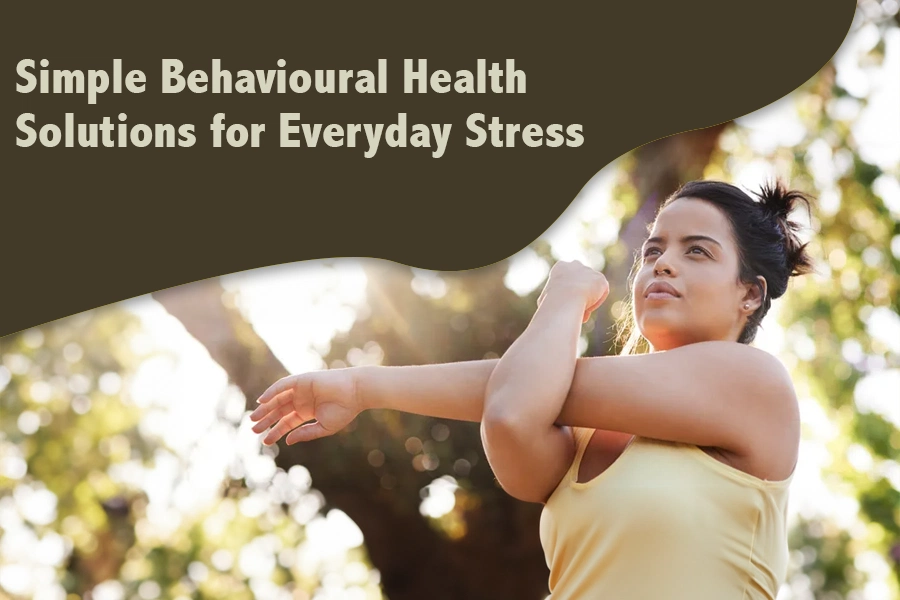
Take Movement Breaks: Physical activity is one of the most powerful simple stress reduction methods available. You don’t need a gym membership or hour-long workouts. Short movement breaks throughout the day—a five-minute walk, desk stretches, or dancing to a favorite song—release tension and boost mood-enhancing endorphins.
Practice the 4-7-8 Breathing Technique: When stress hits, your breathing becomes shallow and rapid. The 4-7-8 technique counteracts this: breathe in through your nose for 4 counts, hold for 7 counts, and exhale through your mouth for 8 counts. Repeat four times. This simple practice activates your body’s relaxation response and can be done anywhere, anytime.
Create Transition Rituals: Many people struggle with stress because they move abruptly from one demanding situation to another without pause. Create simple transition rituals—perhaps a short walk after work before entering your home, or five minutes of deep breathing between meetings. These moments allow your nervous system to reset.
Limit News and Social Media Consumption: Constant exposure to negative news and social media comparison fuels anxiety and stress. Set specific times for checking these platforms rather than scrolling mindlessly throughout the day. Your mental health will thank you.
Implement Healthy Behavior Changes Gradually
Sustainable behavioral health solutions come from gradual, consistent change rather than dramatic overhauls. Here’s how to make healthy behavior changes stick.
Start Small and Specific: Instead of vowing to “exercise more,” commit to a 10-minute walk after lunch three times this week. Small, specific goals are achievable and build confidence for larger changes. Once a behavior becomes automatic, you can expand it.
Use Implementation Intentions: Research shows that people who plan exactly when and where they’ll perform a new behavior are much more likely to follow through. Instead of “I should meditate more,” try “After I pour my morning coffee, I will sit at the kitchen table and meditate for five minutes.”
Track Your Progress: Keep a simple log of your new behaviors. This isn’t about perfection—missing a day is normal and expected. Tracking helps you see patterns, celebrate consistency, and identify obstacles that need problem-solving.
Replace Rather Than Eliminate: It’s easier to replace an unhealthy stress response with a healthier one than to simply stop a behavior. If you tend to stress-eat, have a planned alternative ready—perhaps calling a friend, taking a short walk, or doing a puzzle. The key is having your alternative identified before stress hits.
Develop Effective Coping Strategies for Stress
Beyond daily habits, having a toolkit of stress management techniques for different situations makes you more resilient and adaptable.
Cognitive Reframing: Much of our stress comes not from situations themselves but from how we interpret them. When facing a challenge, ask yourself: “Is this really as catastrophic as it feels? What’s another way to view this situation? What would I tell a friend in this situation?” This doesn’t mean pretending problems don’t exist—it means not amplifying them unnecessarily.
The 5-4-3-2-1 Grounding Technique: When stress or anxiety overwhelms you, this sensory awareness exercise brings you back to the present moment. Identify 5 things you can see, 4 things you can touch, 3 things you can hear, 2 things you can smell, and 1 thing you can taste. This interrupts the stress response and calms your nervous system.
Problem-Solving vs. Emotion-Focused Coping: Some stressors require action (problem-solving), while others require acceptance and emotional management (emotion-focused coping). Distinguish between the two. If you can change the situation, make a plan. If you can’t, focus on managing your emotional response through the techniques described here.
Build Your Support Network: Social connection is a powerful buffer against stress. Regularly connect with friends and family, even briefly. Don’t wait until you’re in crisis to reach out. Simple check-ins, shared activities, or even text conversations remind you that you’re not alone in navigating life’s challenges.
Practice Gratitude: It sounds cliché, but deliberately noticing what’s going well—even small things—shifts your brain away from threat-scanning mode. Keep a gratitude journal, share three good things at dinner with family, or simply pause to appreciate a moment of calm or beauty during your day.
Create Your Personal Stress Management Plan
The most effective approach to stress management combines multiple strategies tailored to your life, personality, and specific stressors. Here’s how to create your personalized plan:
Identify your primary stress triggers and patterns. Do you stress most about work, relationships, finances, or health? Does stress hit hardest in the morning, evening, or during specific activities? Understanding your patterns helps you deploy the right strategies at the right times.
Select 3-5 techniques from this article that resonate with you. Don’t try to implement everything at once. Choose a mix of preventive habits (like sleep and exercise) and acute stress relief tools (like breathing exercises or grounding techniques).
Commit to practicing your chosen strategies for at least three weeks. This is approximately how long it takes for a new behavior to start feeling more natural. During this time, be patient with yourself and expect imperfection.
Regularly assess and adjust your approach. After a few weeks, reflect on what’s working and what isn’t. Some techniques will resonate strongly, while others may not suit your style. That’s perfectly normal—stress management is deeply personal.
Moving Forward with Confidence
Managing everyday stress doesn’t require perfection or superhuman effort. It requires consistent practice of simple stress reduction methods that support your mental wellness. The behavioral health solutions outlined here are proven, practical, and accessible to everyone, regardless of schedule or resources.
Remember that seeking professional help is also a sign of strength, not weakness. If stress feels overwhelming despite your best efforts, a therapist or counselor can provide additional coping strategies for stress and support tailored to your specific situation.
Start today with just one small change. Your future, calmer self will thank you for taking that first step toward better stress management and mental wellness.
Frequently Asked Questions
Q1: How quickly will these stress management techniques work?
Some techniques, like breathing exercises, provide immediate relief within minutes, while others, like regular exercise or improved sleep, show benefits within 1-2 weeks. Building lasting resilience through healthy behavior changes typically takes 3-4 weeks of consistent practice. Be patient with yourself—sustainable change takes time.
Q2: What’s the single most effective stress management technique?
There’s no one-size-fits-all answer, but regular physical activity and adequate sleep consistently rank as the most impactful for most people. These foundational habits enhance your capacity to use other coping strategies effectively. Start with improving these two areas before adding other techniques.
Q3: Can I really manage stress without medication or therapy?
Many people successfully manage everyday stress using behavioral health solutions and lifestyle changes alone. However, if you’re experiencing severe anxiety, depression, or stress that significantly impairs daily functioning, professional help is important. These techniques complement but don’t replace professional treatment when needed.
Q4: How do I remember to practice these techniques when I’m stressed?
Set up environmental cues and reminders. Put sticky notes in visible places, set phone alarms for breathing breaks, or pair new habits with existing routines (like practicing gratitude while brushing teeth). When stress hits, you’re more likely to remember techniques you’ve practiced during calm moments.
Q5: What if I don’t have time for stress management?
Many effective techniques take just 1-5 minutes and can be done anywhere—breathing exercises while waiting in line, mindful attention during your existing commute, or brief stretches between tasks. The question isn’t whether you have time, but whether you’re prioritizing these few minutes. Remember: managing stress now prevents much more time lost to burnout later.
References
McEwen BS. Protective and damaging effects of stress mediators. New England Journal of Medicine.


Leave a Reply