
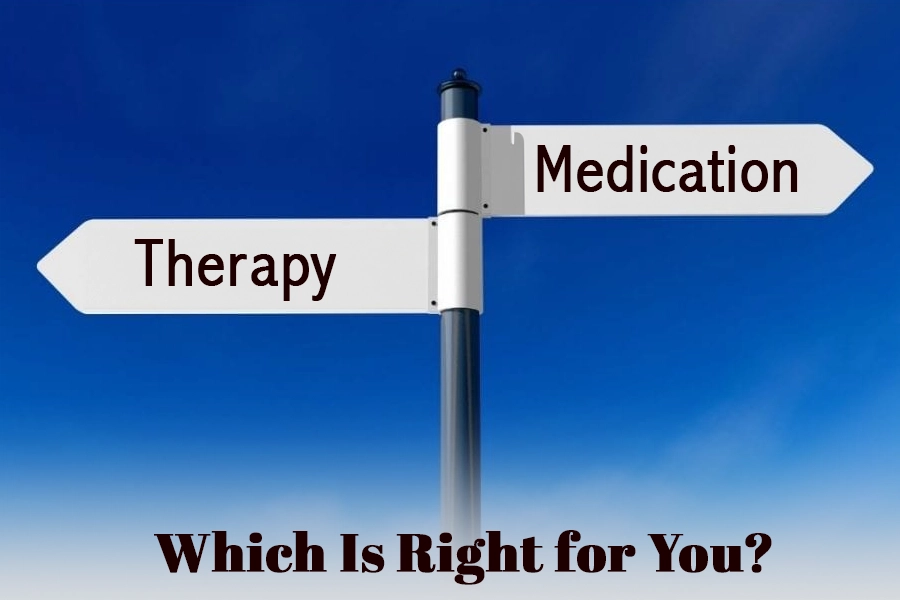
When facing mental health challenges, one of the most important decisions you’ll make is choosing mental health treatment that aligns with your needs, values, and circumstances. The therapy vs medication debate isn’t about finding a universal “best” option—it’s about discovering what works for your unique situation.
Many people feel overwhelmed when confronted with this choice. Should you start with counseling? Would medication be more effective? Can you combine both? Understanding the strengths, limitations, and appropriate applications of each approach empowers you to make confident decisions about your mental health care journey.
How Each Approach Works
Before diving into the therapy vs medication comparison, it’s essential to understand what each treatment offers and how they create change.
Therapy works by addressing the psychological, behavioral, and cognitive aspects of mental health. Through structured conversations with a trained professional, you explore thought patterns, develop coping strategies, process emotions, and gain insights into your experiences. Therapy teaches you skills and perspectives that become lifelong tools for managing mental health.
Medication addresses the biological component of mental health conditions by adjusting brain chemistry. Psychiatric medications influence neurotransmitters—chemical messengers that regulate mood, anxiety, focus, and other mental processes. When brain chemistry is significantly disrupted, medication can restore balance and reduce symptoms.
Both approaches are evidence-based and effective, but they work through different mechanisms and offer distinct advantages.

The Benefits of Therapy
The benefits of therapy extend far beyond symptom relief. Therapy equips you with practical tools and deep insights that continue serving you long after treatment ends.
Skill Development: Therapy teaches concrete techniques for managing difficult emotions, challenging negative thoughts, improving relationships, and handling stress. These skills become part of your psychological toolkit for life.
Root Cause Exploration: Rather than just managing symptoms, therapy helps you understand underlying patterns and causes. By examining how past experiences, thought processes, and behavioral habits contribute to current struggles, you gain awareness that enables lasting change.
No Side Effects: Unlike medication, therapy carries no risk of physical side effects, drug interactions, or dependency concerns. The “side effects” of therapy are typically positive—improved self-awareness, better relationships, and enhanced coping abilities.
Empowerment and Autonomy: Therapy places you in an active role in your healing. You’re not passively receiving treatment but actively participating in your recovery, which fosters a sense of agency and self-efficacy.
Prevention of Relapse: Research shows that therapy, particularly cognitive behavioral therapy, reduces relapse rates for conditions like depression and anxiety. The skills you learn provide ongoing protection even after therapy concludes.
Holistic Approach: Therapy addresses multiple dimensions of wellbeing—emotional, relational, behavioral, and cognitive. This comprehensive approach often creates ripple effects of improvement across your entire life.
Therapy works exceptionally well for mild to moderate anxiety and depression, relationship issues, grief and loss, trauma recovery, stress management, personal growth, and building emotional resilience.
When Medication Is Needed
While therapy is powerful, some situations require addressing the biological component of mental health conditions through medication.
When medication is needed typically depends on symptom severity, neurochemical factors, and functional impairment. Certain indicators suggest medication should be considered:
Severe Symptoms: When depression is so profound that you can barely get out of bed, or anxiety is so intense it prevents you from leaving home, medication can reduce symptoms enough that you can engage in therapy and daily life.
Biological Components: Conditions like bipolar disorder, schizophrenia, and severe depression have strong neurochemical underpinnings. Medication is often essential for managing these conditions effectively.
Limited Therapy Response: If you’ve tried therapy consistently for several months without significant improvement, adding medication might break through the barrier preventing progress.
Crisis Situations: When someone is experiencing suicidal thoughts, severe panic attacks, or psychotic symptoms, medication can provide rapid stabilization.
Co-occurring Physical Conditions: Some mental health medications also treat physical symptoms. For example, certain antidepressants help with chronic pain or migraines.
Enabling Functionality: If symptoms are so disruptive that you can’t work, maintain relationships, or care for yourself, medication can restore functioning more quickly than therapy alone.
Medication can be particularly effective for moderate to severe depression, bipolar disorder, schizophrenia and psychotic disorders, severe anxiety disorders, ADHD, OCD when severe, and PTSD with severe symptoms.
Mental Illness Treatment Comparison
A comprehensive mental illness treatment comparison reveals that both approaches have strong research support, with effectiveness varying by condition and individual factors.
For Depression: Therapy (especially CBT and interpersonal therapy) and medication (particularly SSRIs and SNRIs) show similar effectiveness for mild to moderate depression. For severe depression, combined treatment typically outperforms either approach alone. Therapy has lower relapse rates after treatment ends.
For Anxiety Disorders: CBT demonstrates exceptional results for anxiety, often matching or exceeding medication effectiveness with more durable results. However, medication provides faster initial relief and may be necessary for severe cases.
For Bipolar Disorder: Medication is essential for stabilization and preventing episodes, while therapy enhances medication adherence, teaches coping skills, and addresses psychosocial factors.
For PTSD: Trauma-focused therapies like EMDR and prolonged exposure are considered first-line treatments. Medication can help manage accompanying symptoms like depression or insomnia but doesn’t directly address trauma processing.
For ADHD: Medication provides rapid improvement in focus and impulse control, while therapy helps develop organizational skills and emotional regulation. Most benefit from both.
The research consistently shows that combined therapy and medication often produces superior outcomes for moderate to severe conditions compared to either treatment alone.
Counseling vs Medication
The counseling vs medication decision isn’t purely clinical—practical factors significantly influence what’s right for your situation.
Time Commitment: Therapy requires regular appointments, typically weekly initially. Medication involves less frequent visits after initial stabilization but requires daily administration and monitoring.
Cost Factors: Without insurance, therapy sessions can be expensive, though many therapists offer sliding scale fees. Medication costs vary widely—some generics are inexpensive while brand-name drugs can be costly. Consider your insurance coverage and budget.
Speed of Results: Medication typically works faster—often within 2-6 weeks. Therapy requires more time—meaningful change often takes 8-12 weeks or longer. If you need rapid relief, medication might be prioritized initially.
Personal Preferences: Some people strongly prefer psychological approaches and want to avoid medication, while others appreciate the efficiency of medication. Your comfort level matters.
Availability: Depending on your location, you might have easier access to prescribers than qualified therapists, or vice versa. Telehealth has improved access to both, but local availability still varies.
Lifestyle Factors: If you travel frequently or have an unpredictable schedule, maintaining consistent therapy appointments might be challenging. Medication might be more manageable, though therapy can now often be done remotely.
Personalized Mental Health Care
The future of mental health treatment lies in personalized mental health care that considers your individual needs, preferences, biology, and circumstances.
Choosing mental health treatment should involve:
Professional Assessment: Start with a comprehensive evaluation by a qualified mental health professional who can assess your symptoms, history, and specific needs.
Honest Self-Reflection: Consider your treatment preferences, past experiences, readiness for different approaches, and what feels right for you.
Consideration of Severity: Be realistic about symptom intensity. Mild to moderate conditions often respond well to therapy alone, while severe symptoms typically benefit from combined approaches.
Trial Period Approach: Be willing to try an approach and reassess. If therapy alone isn’t providing sufficient relief after 8-12 weeks, adding medication might be beneficial. If medication alone isn’t fully addressing your needs, adding therapy creates a more comprehensive treatment.
Flexible Perspective: Your needs may change over time. You might need medication during acute phases and transition to therapy alone during maintenance. Or you might start with therapy and add medication if needed.
Combined Approach Consideration: For many people, the question isn’t therapy vs medication but rather how to optimally combine both. This integrated approach addresses biological, psychological, and social factors simultaneously.
Making an Informed Decision
There’s no universal right answer in the therapy vs medication debate. The right choice depends on your specific condition, symptom severity, personal preferences, previous treatment experiences, and practical circumstances.
Many people find the most success with a flexible approach: start with one modality, assess progress, and adjust as needed. The most important factors are getting professional guidance, staying open to different approaches, and advocating for what feels right for you.
Remember that choosing treatment isn’t a permanent decision. Mental health care can and should evolve based on your response and changing needs. What matters most is taking that first step toward help.
Frequently Asked Questions
Q1: Can I do therapy and take medication at the same time?
A: Absolutely, and this combined approach is often most effective for moderate to severe conditions. Therapy and medication work through different mechanisms and can complement each other beautifully. Medication can reduce symptom intensity enough for you to engage effectively in therapy, while therapy provides skills and insights that enhance overall recovery.
Q2: How long should I try therapy before considering medication?
A: Generally, give therapy a fair trial of 8-12 weeks with consistent attendance before concluding it’s not working. However, if symptoms are severe or significantly impairing your functioning, discuss medication earlier. Your therapist and/or psychiatrist can help determine appropriate timing based on your progress and needs.
Q3: Will medication change my personality?
A: Proper psychiatric medication should reduce symptoms without fundamentally changing who you are. You should feel more like yourself—less burdened by anxiety, depression, or other symptoms—not like a different person. If you experience personality changes, discuss this with your prescriber as it may indicate wrong medication choice or dosage.
Q4: Is therapy effective without medication?
A: Yes, absolutely. For mild to moderate anxiety and depression, therapy alone shows excellent effectiveness rates. Many conditions respond very well to therapy without medication. The key is accurate assessment of severity and monitoring progress to determine if medication becomes necessary.
Q5: Can I stop medication once I feel better?
A: Never discontinue psychiatric medication without medical guidance. While some people use medication short-term, others need long-term maintenance to prevent relapse. Your prescriber will work with you to determine appropriate duration and, if discontinuation is planned, will taper gradually to minimize withdrawal effects and relapse risk.


Leave a Reply