
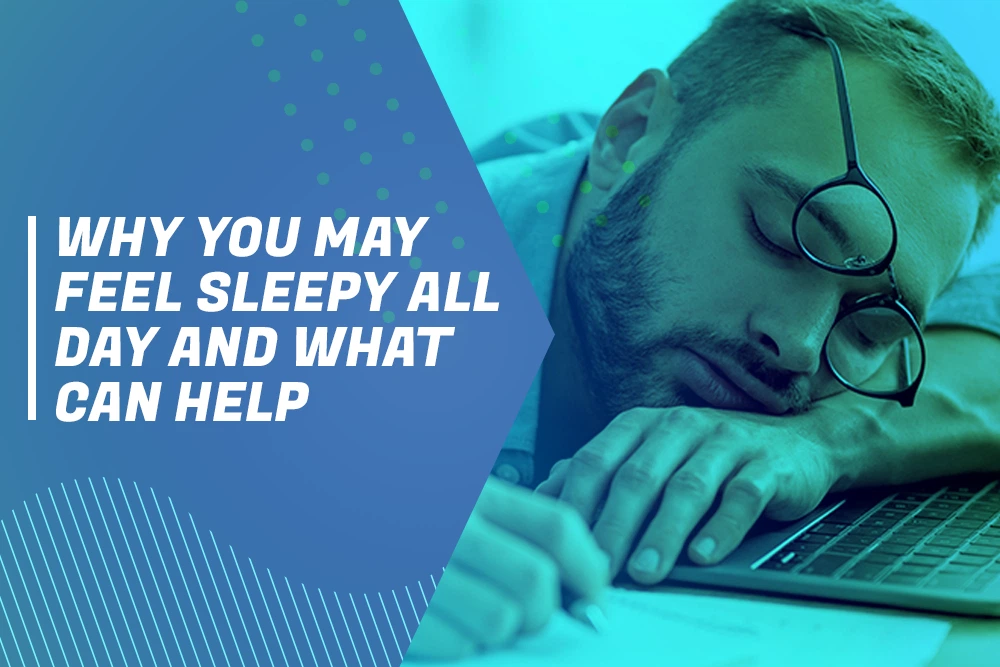
There’s a specific kind of tiredness that sleep doesn’t fix.
You wake up, go through your routine, maybe even drink tea or coffee, and yet the heaviness stays. Your eyes feel strained, your body moves more slowly than usual, and by mid day, you’re already counting hours until bedtime. If you’re feeling sleepy all day, it’s frustrating, especially when people around you assume you’re lazy, uninterested, or not trying hard enough.
The truth is, daytime sleepiness is rarely about effort. It’s usually about what’s happening underneath.
This blog breaks down the most common daytime sleepiness causes, why your energy stays low even after rest, and what realistically helps, without turning everything into medical jargon or motivational fluff.
What “Feeling Sleepy All Day” Really Means
Daytime sleepiness isn’t just yawning once or twice. It’s a pattern.
It often looks like:
- Struggling to stay alert during work or study
- I need caffeine just to feel “normal.”
- Feeling mentally slow or foggy
- Low motivation paired with physical heaviness
- A strong urge to nap, even after full nights of sleep

This kind of tiredness overlaps closely with low energy during the day, but they’re not exactly the same. Sleepiness is about alertness. Low energy affects both mind and body. Many people experience both at once.
The Most Common Daytime Sleepiness Causes
1. Poor Sleep Quality (Even If You Sleep Enough)
This is the most misunderstood cause.
You can sleep 7–8 hours and still wake up exhausted if:
- Sleep timing is irregular
- You scroll on your phone before bed
- Stress keeps your brain active at night
- You wake up multiple times without noticing
The body rests, but the brain doesn’t fully reset. The result? Constant grogginess the next day.
2. Mental Overload and Stress
Stress doesn’t always show up as anxiety attacks. Often, it shows up as exhaustion.
When your brain is under constant pressure, deadlines, finances, and expectations, it stays in alert mode. Over time, this can drain mental energy and lead to daytime drowsiness.
This is one of the most overlooked daytime sleepiness issues, especially among working professionals.

3. Blood Sugar and Eating Patterns
What and when you eat matters more than people think.
Skipping meals, consuming excessive sugar, or relying heavily on refined carbohydrates can lead to energy spikes followed by crashes. Those crashes often feel like sudden sleepiness rather than hunger.
If you feel sleepy, especially after meals, your diet might be playing a bigger role than sleep itself.
4. Dehydration
Even mild dehydration affects concentration and alertness.
People often mistake dehydration-related fatigue for lack of sleep. If you drink very little water during the day, your body slows down to conserve energy, and that slowdown feels like sleepiness.
5. Lack of Physical Movement
Ironically, being inactive makes you more tired.
Sitting for long hours reduces blood circulation and oxygen delivery to the brain. This creates heaviness, dullness, and that familiar urge to lie down “just for a bit.”
Regular movement doesn’t drain energy; it creates it.
6. Hormonal or Medical Factors
Sometimes, persistent sleepiness has deeper roots:
- Thyroid imbalance
- Vitamin deficiencies (B12, iron, vitamin D)
- Sleep disorders
- Chronic infections
If feeling sleepy all day continues despite lifestyle changes, medical evaluation becomes important, not as a last resort, but as a smart step.
The Emotional Side of Constant Sleepiness
One thing people don’t talk about enough is the emotional impact.
Being tired all the time can make you:
- Irritable
- Unmotivated
- Disconnected
- Guilty for “not doing enough.”
Over time, this mental load adds to the problem. Sleepiness feeds stress, and stress feeds sleepiness. It becomes a loop.
Why Caffeine Stops Working After a Point
Many people rely on coffee or energy drinks to push through the day. At first, it helps. Then it doesn’t.
That’s because caffeine doesn’t fix the root issue. It temporarily blocks the brain’s sleep signals. Over time, tolerance builds, and you need more just to feel baseline alertness.
This is why excessive caffeine often worsens low energy during the day instead of solving it.
What Actually Helps With Excessive Sleepiness
There’s no single fix, but there are realistic approaches to excessive sleepiness that work when combined.
Improve Sleep Consistency
Going to bed and waking up at the same time matters more than total hours.
Reduce Mental Stimulation at Night
Bright screens and stressful content delay deep sleep, even if you fall asleep quickly.
Eat for Stable Energy
Balanced meals with protein, healthy fats, and complex carbs prevent energy crashes.
Move, Even Lightly
Short walks or stretching improve alertness more than another cup of coffee.
Address Stress Honestly
Ignoring stress doesn’t make it disappear; it just shows up as fatigue.
Where Medication Comes Into the Picture
In some cases, doctors prescribe wakefulness-promoting medications to help manage severe or clinically diagnosed daytime sleepiness. One such option sometimes discussed is Modavinil 200mg, which is used under medical supervision for specific conditions related to alertness.
Important to understand:
Medication is not a substitute for sleep or lifestyle correction. It’s a support tool, not a magic solution, and should never be used casually or without guidance.
Why You Shouldn’t Ignore Long-Term Sleepiness
Occasional tiredness is normal. Constant sleepiness is not.
If you’ve been feeling drained for weeks or months, your body is asking for attention. Ignoring it often leads to burnout, reduced immunity, and mental health struggles.
Addressing sleepiness early is easier than fixing long-term exhaustion later.
Final Thoughts
If you’re feeling sleepy all day, it’s not because you’re weak, lazy, or unmotivated. Most of the time, it’s a signal that your body or mind needs something you’re not currently giving it.
Energy doesn’t come from pushing harder.
It comes from listening better.
When you address the real daytime sleepiness causes and choose realistic excessive sleepiness solutions, alertness slowly returns, not overnight, but steadily.
And that kind of energy lasts.
Frequently Asked Questions (FAQ’s)
- Why do I keep feeling sleepy all day, even when I sleep 7 to 8 hours?
Sleeping for enough hours doesn’t always mean your sleep is restorative. Stress, irregular sleep timing, late-night screen use, or frequent micro-awakenings can prevent deep sleep. As a result, your body rests, but your brain doesn’t fully recover, leading to daytime sleepiness.
- Can stress alone cause low energy during the day?
Yes, chronic stress is a major cause of low energy during the day. When your mind stays in constant alert mode, it drains mental and physical resources. Even without anxiety attacks, long-term stress can make you feel tired, unfocused, and sleepy throughout the day.
- Are daytime sleepiness causes always related to sleep problems?
Not always. While poor sleep is common, other daytime sleepiness causes include poor nutrition, dehydration, lack of movement, hormonal imbalance, or emotional exhaustion. Sometimes the issue isn’t sleep itself, but how your body manages energy during waking hours.
- What are realistic excessive sleepiness solutions without medication?
Consistent sleep schedules, balanced meals, regular light movement, stress reduction, and limiting caffeine late in the day are effective excessive sleepiness solutions. These changes don’t work overnight, but when practiced consistently, they gradually restore natural alertness and steady energy.
- Does relying on caffeine make feeling sleepy all day worse?
Over time, yes. Caffeine blocks sleep signals temporarily but doesn’t fix the root problem. Frequent use builds tolerance, meaning you need more just to feel normal. This cycle can worsen energy crashes and increase overall daytime fatigue instead of reducing it.
- When is Modavinil 200mg considered for daytime sleepiness?
Modavinil 200mg may be considered in medically diagnosed conditions involving excessive daytime sleepiness, under professional supervision. It’s not meant for everyday tiredness. Lifestyle factors, sleep quality, and stress management should always be addressed before relying on medication.

Leave a Reply