
Sleep is not one single thing; it’s a nightly symphony of stages and cycles that restore your body, sharpen your brain, and reset your mood. If you’re reading this because you want to improve sleep quality, improve sleep duration, and learn how to get deeper, more restorative cycles (including REM and deep sleep), you’re in the right place. This practical guide explains what “good sleep” looks like, why each stage matters, and the evidence-based ways to enhance rest so you wake up actually refreshed.
Why sleep quality matters
Sleep isn’t optional maintenance; it’s a biological necessity. Chronic short or poor sleep raises the risk of metabolic problems, mood disorders, reduced cognition, impaired immunity, cardiovascular disease, and accidents. For most adults, experts recommend getting seven or more hours of sleep per night to minimize health risks and support day-to-day performance.
Sleep stages and cycles
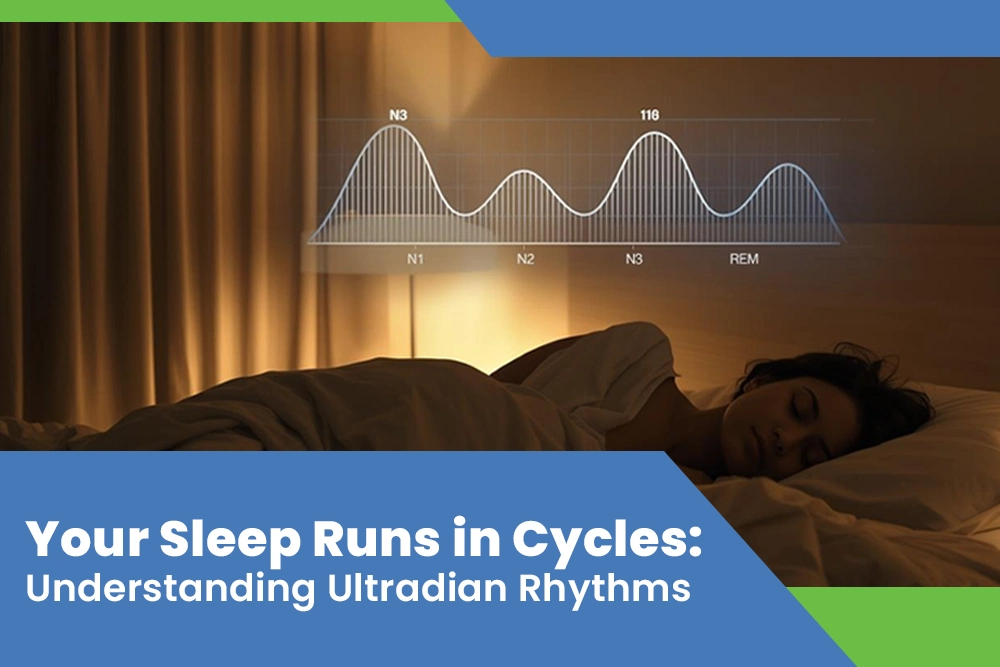
During a typical night, you cycle through NREM (non-rapid eye movement) and REM (rapid eye movement) sleep roughly every 90–120 minutes, repeating 4–6 times:
- N1 (light sleep): A transition state; easy to wake from.
- N2: Deeper light sleep that occupies a large portion of total sleep time; sleep spindles and K-complexes appear here.
- N3 (deep or slow-wave sleep): The restorative stage for body repair, growth hormone release, immune function, and memory consolidation of certain types of information.
- REM sleep: Intense brain activity, dreaming, emotional processing, and memory consolidation (especially for procedural and emotional memory).
Healthy sleep requires not only enough hours but balanced time across these stages. For example, fragmented sleep with diminished deep sleep or REM will leave you tired even if the total time seems adequate.

How much sleep should you aim for?
The adult recommendation is straightforward: aim for at least seven hours per night; many people do best in the 7–9 hour range. Short sleepers (under ~7 hours) face higher risks of chronic conditions and impaired daytime functioning. Individual needs vary by age, genetics, and lifestyle, but seven hours is a solid baseline for most adults.
Ten practical, evidence-based ways to improve sleep quality & duration
Below are actionable strategies (with evidence notes) to help you get better rest, longer sleep, and healthier sleep architecture.
1) Prioritize a consistent sleep schedule
Go to bed and wake up at roughly the same times every day, and yes, weekends too. Regular timing strengthens your circadian rhythm, making it easier to fall asleep and improving sleep continuity. Aim for the same wake time first; bedtime will adjust naturally as a result.
2) Build a calming pre-sleep routine
Wind-down habits (reading, light stretching, a warm shower, journaling to offload worries) cue your body to shift toward sleep. Avoid emotionally intense conversations or tasks that raise stress right before bed. Reviews of sleep-hygiene interventions show consistent benefit when routines reduce arousal and racing thoughts.
3) Treat the bedroom like a sleep sanctuary
Make the room dark, quiet, cool (around 16–20°C / 60–68°F for many people), and comfortable. Remove clock-facing anxiety, reduce ambient light, and use comfortable bedding. A good environment supports longer, uninterrupted, deep, and REM sleep.
4) Reduce evening exposure to screens and bright light
Light suppresses melatonin and shifts circadian timing. Blue light from screens is especially effective at reducing melatonin and delaying sleep onset for some people. Minimizing late-night screen use, or at least using night filters and lower brightness, can improve sleep timing and quality. That said, recent studies signal that interactive content and emotional stimulation may contribute as much to sleep disruption as blue light alone. So both the content and the light matter.
5) Exercise daily
Regular daytime exercise helps increase total sleep time and deep sleep, and reduces sleep latency (the time it takes to fall asleep). Avoid vigorous exercise within ~1–2 hours of bedtime if it energizes you; a light evening walk is usually fine. Walking programs and consistent physical activity have been shown to improve sleep measures in multiple studies.
6) Watch caffeine, alcohol, and naps
- Caffeine: Can interfere with both falling asleep and sleep depth for many — avoid late-afternoon and evening caffeine (timing depends on individual sensitivity).
- Alcohol: May help you fall asleep but fragments sleep later, reducing REM and deep sleep.
- Naps: Short naps (10–20 minutes) can be helpful for alertness, but long or late naps can reduce nighttime sleep duration and fragment sleep cycles.
7) Treat persistent insomnia with CBT-I
Cognitive Behavioral Therapy for Insomnia (CBT-I) is the first-line, evidence-based treatment for chronic insomnia. It targets unhelpful thoughts, poor sleep habits, and behaviors that perpetuate sleeplessness. Multiple meta-analyses and trials show CBT-I improves sleep onset, total sleep time, efficiency, and daytime function, and its effects persist after treatment ends. Digital CBT-I programs are increasingly effective and accessible for many users.
8) Get daylight exposure and stabilize your circadian rhythm
Bright light in the morning (natural daylight is best) helps anchor your circadian clock. This improves daytime alertness and helps you fall asleep at the intended time. Regular exposure to daylight, even short morning walks, improves sleep timing and quality.
9) Manage stress and nighttime rumination
Techniques like brief cognitive journaling (write down tomorrow’s tasks before bed), diaphragmatic breathing, progressive muscle relaxation, and short mindfulness sessions reduce hyperarousal, a common driver of poor sleep. Reducing cognitive and emotional arousal before bed materially improves sleep onset and continuity.
10) When sleep problems are medical, get assessed
Conditions such as obstructive sleep apnea (snoring, gasping, daytime sleepiness), restless legs syndrome (creepy-crawlies, urge to move the legs), mood disorders, chronic pain, or medication side effects can fragment sleep and reduce stages like deep and REM sleep. If you snore loudly, wake gasping, or have excessive daytime sleepiness, speak to a healthcare provider about sleep testing. Treating underlying medical causes often restores sleep architecture.

How to improve specific sleep stages
You can’t directly “force” more REM or deep sleep, but you can create conditions that favor healthy proportions of each:
- Deep sleep (N3): Strengthened by regular physical activity, consistent sleep schedules, and moderate overall sleep pressure (avoid too many late naps). Alcohol reduces deep sleep later in the night, so limiting alcohol helps.
- REM sleep: Sensitive to alcohol, stress, and antidepressants; REM increases in the latter half of the night, so longer consolidated sleep supports healthy REM amounts. Managing stress and avoiding REM-suppressing substances helps.
Bottom line: prioritize consistent, adequate-duration sleep and treat causes of fragmentation; stage balance will usually follow.
How to know if your sleep is improving
- Subjective signs: Falling asleep faster, fewer nighttime awakenings, waking up feeling refreshed, better daytime mood, and improved concentration.
- Objective measures: Consumer wearables can show trends in sleep duration and sleep stages, but they’re imperfect; use them only as trend tools, not definitive diagnoses. Clinical tools (polysomnography) are used when a sleep disorder is suspected. Improvement in daytime function is the key outcome.
Common myths
- “I can catch up on sleep on weekends.” Short naps and weekend recovery help a little, but chronic irregular schedules impair circadian rhythm and sleep quality. Consistency matters more than occasional long sleeps.
- “Blue-blocking glasses will fix my sleep.” They can help some people, especially if evening light exposure is high, but reducing screen time and emotional stimulation is often the more powerful change. Evidence is mixed and context-dependent.
When to seek professional help
See a clinician or sleep specialist if you have:
- Persistent trouble falling asleep or staying asleep for months despite good sleep hygiene.
- Excessive daytime sleepiness (dozing during meetings, while driving).
- Loud, disruptive snoring with gasping or choking at night.
- Restless, unpleasant leg sensations at night or that disrupt sleep.
Clinicians can recommend CBT-I, sleep studies, CPAP for sleep apnea, medication adjustments, or other targeted therapies.
Quick “sleep-first” checklist
- Decide your wake time and set it consistently.
- Create a 30–60 minute wind-down routine (no screens last 30 minutes if possible).
- Make the bedroom dark, cool, and quiet.
- Avoid caffeine after mid-afternoon (earlier if you’re sensitive).
- Do at least 20–30 minutes of daytime movement (not too close to bedtime).
- If sleep problems persist >3 months, ask about CBT-I or a sleep evaluation.
Final takeaways
Improving sleep quality and sleep duration is rarely about a single “hack.” It’s a set of coordinated habits: consistent timing, a calming pre-sleep routine, a sleep-friendly environment, daytime activity, and managing stress and medical issues. When insomnia is chronic, CBT-I and professional assessment are more effective and safer than relying solely on medications. Focus on building a sustainable routine, that’s the best way to restore healthy sleep stages and cycles and wake up genuinely rested.
Explore Modafinil products in:
Modafinil In UK, Modafinil In Germany, Modafinil In Europe, Modafinil In Australia
FAQs
Q1: How fast will I notice improvement if I change my sleep habits?
A: Small changes (fixed wake time, reduced evening screen use) can produce benefits within days to a couple of weeks. More entrenched insomnia or sleep disorders may require weeks of CBT-I or medical therapy to see large gains.
Q2: Will using a wearable help me sleep better?
A: Wearables are useful for tracking trends (sleep duration, time in bed). They’re imperfect for staging, so prioritize how you feel (daytime alertness) and use devices as one piece of feedback, not a diagnosis tool.
Q3: Is sleeping longer always better?
A: Not necessarily. Excessive time in bed without quality sleep can fragment sleep and worsen daytime function. Aim for restorative sleep and a consistent schedule rather than simply maximizing hours.
Q4: Can supplements help (melatonin, magnesium, CBD)?
A: Short-term melatonin can help shift circadian timing (jet lag, shift work) and falling asleep for some people; evidence for other supplements is variable. Always discuss with your clinician, especially if you take other medications. Behavioral therapies and sleep scheduling are first-line.
References
https://aasm.org/resources/pdf/pressroom/adult-sleep-duration-consensus.pdf
https://www.cdc.gov/sleep/data-research/facts-stats/adults-sleep-facts-and-stats.html
https://www.ncbi.nlm.nih.gov/books/NBK526132/
https://www.sciencedirect.com/science/article/pii/S1087079222000594


Leave a Reply