
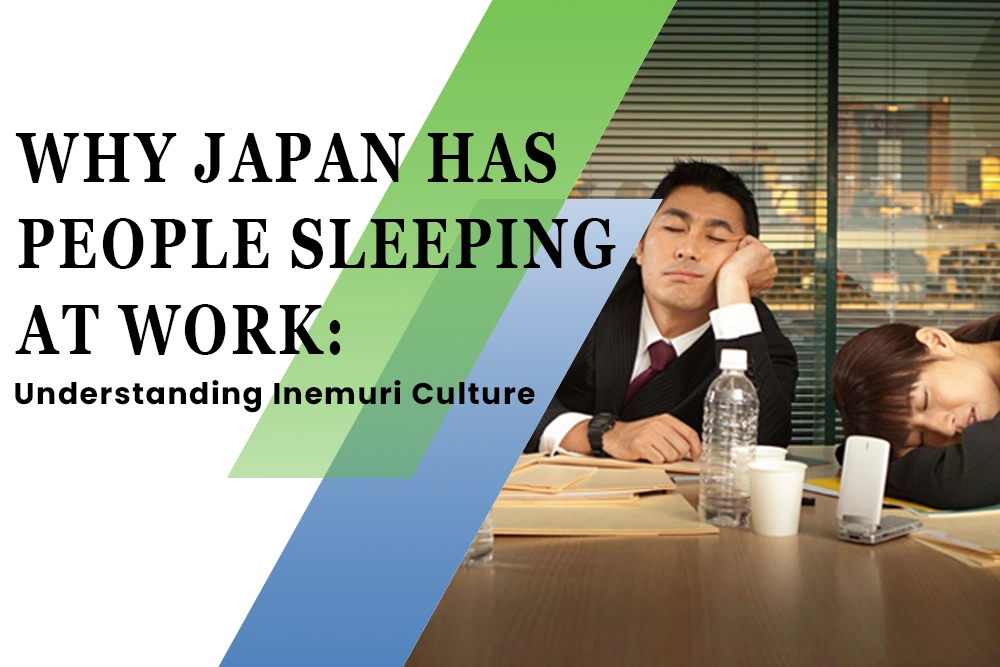
What is Inemuri culture?
Inemuri culture is a special sleep concept that contradicts the Western idea of rest. It means “being present while asleep” is a concept where people take brief naps on the trains, in offices or even during meetings is socially accepted and is often seen as a sign of diligence. It is a concept that is only found in Japan.
According to a research that was conducted in 2019, Japan has the shortest average sleep in the world which is approximately 7.3 hours a night. To compensate for the missed hours of sleep, Japanese perfected the art of sleeping anywhere. Within Japanese work culture, dozing off at work especially during long work hours is considered a sign of hard work and dedication. These unique workplace sleep habits have become an accepted part of the daily life in Japan and continue to spark discussion about the relationship between sleep deprivation, productivity and overall well-being.
History of inemuri
The concept of Inemuri took a rise during Japan’s postwar economic boom in the 1960s to 1980s. During the rapid growth of the mid-to late 20th century, long, rigorous work hours and intense study sessions became the societal norm. People had more money, more jobs and disposable income to spend on leisure. That is the reason people became extremely busy. To keep up with the exhausting schedules, catching a quick snooze in the meeting, at a desk, or on the train was embraced as evidence of an industrious work ethic.
Over time Inemuri was recognised as a feature of work culture in Japan, reflecting both the pressures of modern life and society’s efforts to cope with workplace fatigue. Today, the practice remains a fascinating example of how cultural attitudes toward rest can differ significantly across the world.
Does Inemuri improve employee productivity?
The relationship between Inemuri and employee productivity is complex. Short naps can restore alertness and improve concentration. A well-timed nap may help workers perform better during the remaining day. Potential benefits of this culture are:
- Enhanced focus
- Better memory retention
- Enhanced creativity
- Vigilance is heightened
- Reduced mental fatigue
However, regular napping in the workplace may also indicate that employees are not getting enough nighttime sleep. In such cases, the root cause remains unresolved for which medications such as Modaheal 200 mg may be helpful.
Health benefits of Inemuri
While inemuri is not a replacement for a full night’s sleep, short naps can offer several health and wellness benefits when practiced occasionally. Some of the advantages associated with inemuri are:
- Decreased fatigue
Increased vigilance
Increases Cognitive abilities
Helps deal with stress
Improves Mood
Promotes Better Fatigue Management
Supports Cardiovascular Health Indirectly
Fatigue Management
Fatigue management is an essential component of workplace safety. It is the process of preventing sleep deprivation and mitigating its effects on the performance and safety. Effective fatigue management techniques include:
- Prioritize sleep and rest- make sure your sleep schedule is for 7-9 hours daily without disruptions
- Optimize nutrition and hydration- Avoid drinks with caffeine prior to bedtime
- Promoting regular breaks
- Eat a healthy diet
- Avoid alcohol and substance abuse
- Take therapy
- Supporting mental health
- Providing flexible work arrangements
- Educating people about healthy sleep habits
These efforts reflect a growing awareness that sustained productivity depends on adequate rest and healthy working conditions. Rather than relying on Inemuri completely, organizations are beginning to focus on prevention through better workplace practices and improved support for employees. By addressing fatigue proactively, organizations can create healthier work environments while improving productivity and employee satisfaction.
Is Inemuri a healthy practice?
Inemuri can provide short-term relief from tiredness and help individuals remain functional during demanding days. However, it should not be viewed as a replacement for proper sleep.
Health experts generally recommend consistent, high-quality nighttime sleep as the most effective way to support physical health, mental well-being, and cognitive performance. At such times, you can also use medication therapy to prevent excessive daytime sleepiness. The medications that can be used in such times are Modafinil drugs for example Modaheal 200 mg. When used occasionally, short naps may offer benefits. However, persistent daytime sleepiness may signal an underlying sleep deficit that requires attention
Conclusion
Inemuri is a notable feature of Japanese society that provides insight into the country’s views on work, responsibility, and rest.Although it might appear strange to people from other cultures, this practice reflects the deep-rooted values of commitment and hard work that are highly regarded in Japan.The practice of sleeping at work in Japan illustrates both the advantages and difficulties of contemporary work environments.Napping during work hours is also becoming more common in various global organizations, such as Google, Apple, Nike, BASF, Opel, the Huffington Post, and Procter & Gamble, which have introduced designated spaces for employees to take brief naps.While short naps can help individuals stay alert and productive, they also highlight the need to tackle sleep issues and encourage better work-life practices.As discussions around work-life balance continue to develop, Japan’s approach to inemuri reminds us that rest is not a privilege-it is a crucial part of long-term health, performance, and overall well-being.
FAQs
1. What is Inemuri?
Inemuri is a famous concept in Japan where napping in public places is socially accepted.
2. What are the benefits of Inemuri?
Short naps can help increase productivity, alertness, clear out brain fog and reduce procrastination.
3. Can I use Modaheal 200 mg to increase alertness?
Yes. Modaheal 200 mg can be used to increase alertness.
4. What causes workplace fatigue in Japan?
Common causes of workplace fatigue include long working hours, overtime, lengthy commutes, work related stress, etc.
Leave a Reply