

At some point, most men have been awake to the fact that they have a morning erection, which is hardly a laughing matter or a shrug but rather a serious consideration. Yet, this common occurrence is one of your body’s most straightforward, regular indicators of its own cardiovascular, hormonal, and neurological system. It has a medical term, which is called “nocturnal penile tumescence” (NPT). They don’t take it lightly enough to not use it as a diagnostic tool.
What Causes Morning Erections Every Day?
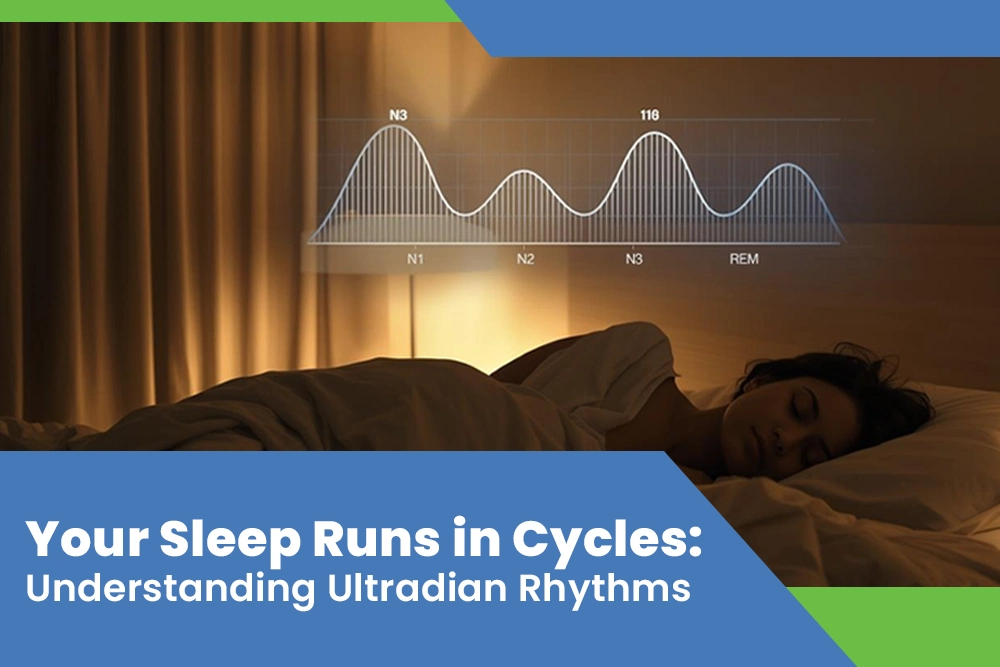
So what is responsible for this morning erection every day? Contrary to popular belief, NPT has nothing to do with dreams, thoughts of sex, or a full bladder. It’s a physiological event that happens involuntarily and is closely associated with the sleep architecture. Nocturnal erections occur about 80% of the time during the REM (rapid eye movement) stage of sleep, which is linked to increased brain activity and strong dreaming. In REM sleep, some centers in the brainstem normally inhibit erections during other stages of sleep and become less active, leaving the blood vessels in the penis free to relax and nitric oxide to be released, causing an erection unrelated to conscious arousal.
The answer to why morning erections happen is more of a physiological question than a sexual health one. If you have an erection during sleep, it will still be there when you get up in the morning, particularly if you wake up out of a REM sleep stage, as this tends to happen in the early morning.
How Often Should This Happen?
If you are not sure if your own frequency is “normal,” the research provides you with a good indicator. For healthy men, there are 3 to 5 erections over the course of 8 hours of sleep, and each is about 30 minutes in duration. In isolation, device-based diagnostic research is used to describe a similar pattern; that is, men typically experience 3-5 erections during sleep, and, as such, this is used as a diagnostic benchmark when evaluating erectile function and dysfunction.
Age matters too. Nocturnal erections are not exclusively associated with the young. They have been observed in boys as young as 6 to 8 years old and in men in their 60s and 70s, although they seem to occur most often when a man is at his peak sexual maturity (late teens through late 30s), at the time when his testosterone production is at its highest.
Are Morning Erections a Sign of Good Health?
Clinically, yes. One of the most popular inquiries about this subject is whether morning erections are an indicator of good health, and it’s safe to say that the medical consensus is pretty clear: If you’re having morning erections, then your nerves and blood vessels are working well. In fact, doctors use the presence of nocturnal and early morning erections as a red flag that if one has erectile dysfunction, they are not organic (the plumbing isn’t broken), and any daytime problems may be more to do with psychological and situational factors.
This diagnostic value is important, and there is formal NPT testing as a clinical tool. In men with suspected ED, NPT testing is performed as a second-phase diagnostic measure that assesses the number, circumference, maximum rigidity, and duration of nocturnal erections.
Morning Erections and Testosterone Levels
It is established that there is a relationship between morning erections and testosterone. Testosterone, which is highest in the morning, has been found to increase the number of nocturnal erections, but not to make a significant difference in erections caused by erotic visual stimuli or fantasy. This is important clinically, as it implies that nocturnal erections may be mediated by slightly different pathways than erections that are consciously stimulated, but both are dependent on healthy blood flow and nerve function.
If you have a consistent pattern of erections every morning, it indicates your hormones may be in a normal range, especially the production of testosterone. If there is a noticeable and persistent decrease in frequency (particularly if it is sudden rather than gradual as a person grows older), a doctor should be alerted, as this may be an early indicator of hormonal or vascular changes.
Morning Erections and Blood Circulation
There is more than just hormones involved in the morning erection and blood flow. At the heart of an erection is blood flow (the blood vessels in the penis relax and fill with blood). Good erectile function relies on the blood vessels expanding freely. Any condition that affects or stiffens the blood vessels in the rest of the body can be observed here. Low blood pressure and cholesterol levels can cause blood to flow more slowly into the penis and diminish nocturnal erections if these are not under control. This is one of the reasons why erectile dysfunction is sometimes referred to as a precursor to cardiovascular disease: the small blood vessels are stressed first, before the larger blood vessels such as coronary arteries.
This overlap is why erectile dysfunction is a significant factor in the general population. Based on research estimates, about 40% of men experience erectile dysfunction, but the actual figure is difficult to determine because many men are embarrassed and shamed to report this condition.
Morning Erections and Erectile Health: What Changes With Age
The normal erectile function and morning erections may change slightly over the years. The fact that frequency decreases with age is a natural phenomenon due to the decline in blood flow in the tissues and testosterone levels over time. This is not necessarily a worry and is normal. It’s not a steady decline that happens over a number of years and that’s a symptom of normal aging, but a sudden or sharp reduction, which is more likely to indicate an underlying health problem such as a hormonal imbalance, vascular issue, side effect of a medication, or an overlooked chronic disorder like diabetes.
How to Maintain Healthy Erectile Function
So, if you’re interested in maintaining your erections, the news is good because many of the same healthy habits that keep your heart healthy also help keep your erectile health intact, including using the same blood vessels.
- Blood pressure, blood sugar, and cholesterol levels, as they all impact vascular health, which affects erectile health.
- Regular exercise helps maintain good blood flow and nitric oxide.
- Reduce smoking and excessive drinking, as these are harmful to the blood vessels over time.
- Most nighttime erections are from REM sleep, and any sleep disturbances or poor sleep quality, such as sleep apnea, can decrease the frequency of this type of erection.
- Chronic stress and high blood levels of cortisol can cause hormonal imbalance and blood flow issues.
- Follow-up exams regularly, including checking for blood pressure, cholesterol, and testosterone levels, especially if you notice a change in how many times you can get an erection at night.
When to Consider Medical Treatment
If a man is not able to get up and maintain an erection even with healthy lifestyle choices or if he is having trouble getting an erection because of lack of confidence or relationship issues, it is worth talking directly with a doctor. Once a thorough evaluation (which may include blood tests, a cardiac examination, or NPT testing) has been performed, a physician may discuss treatment options. A frequently prescribed PDE5 inhibitor (the same drug class as other popular ED drugs) is Suhagra 100 mg, which functions by aiding blood circulation to the penis during sexual stimulation. These types of medications are prescription only, and the dosage and suitability will vary according to various factors such as cardiovascular health and other medications being taken. Only a doctor should decide if it’s advisable for you and in which strength.
The Bottom Line
Morning erections are more than just a wake-up call. They are a low-maintenance, naturally occurring indicator of vascular, neurological, and hormonal health and have long been a diagnostic clue used by doctors. However, simply noticing a change in their frequency, not obsessing about it. This can help identify potential health problems before they are symptomatic at another site in the body.
FAQ’s
1. How many morning erections should a healthy man have?
It has been shown that healthy men will have about 3 to 5 erections during an 8-hour sleep, each one lasting up to about 30 minutes. This is a normal physiological reference line that is used for clinical evaluation.
2. Why do morning erections happen if you are not having a sexual dream?
Morning erections are not related to dream content or arousal but to REM sleep. REM sleep is a stage in which some nerve signals that usually block erections are decreased, which makes the blood vessels in the penis open up and start to fill with blood on their own.
3. What is erectile dysfunction?
It’s normal and expected to decrease gradually as the years go by. But a sudden or large decrease in frequency can be a warning sign of a hormone, blood vessel, or nerve problem, so don’t ignore it and talk to a doctor about it.
4. Do morning erections affect your testosterone?
Yes. Testosterone is highest in the morning, and there is some evidence that it stimulates the number of erections that occur in the night, so if you have consistent erections in the morning, it’s a good (but not a definite) indicator that you have healthy testosterone levels.
5. Can medication like Suhagra help if morning erections are absent?
Suhagra 100 mg manages men’s erectile function during sexual activity. It depends on the cardiovascular health and other personal factors and should only be initiated under medical supervision following proper evaluation.





Leave a Reply