
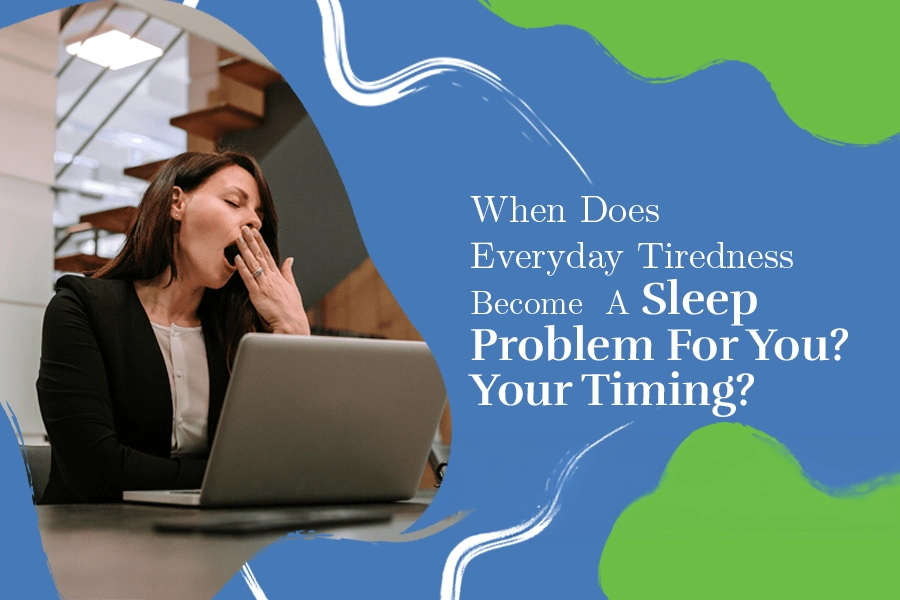
Everyone has those afternoons where a heavy fog rolls in, the eyelids get stubborn, and a second coffee starts to feel less like a treat and more like a survival tool. A little everyday tiredness is a normal part of being human, especially after a late night, a long week, or a stressful stretch. But there is a point where ordinary fatigue crosses a line and becomes something your body is trying to tell you about, rather than something a good night’s sleep can simply erase. Learning to spot that line is one of the most useful things you can do for your long-term health.
The Fine Print Between Normal and Not
Occasional tiredness usually has an obvious cause. You stayed up late finishing a project, traveled across time zones, or had a newborn keeping you up. Everyday tiredness responds to rest; it does not linger for weeks, and it does not stop you from functioning once you catch up on sleep. This kind of dip is simply the body asking for recovery, and once it gets that recovery, the tiredness lifts.
Unexplained tiredness is a different story. This is the fatigue that shows up even after what looks like a reasonable night’s sleep, that does not clearly trace back to a late night or a stressful event, and that keeps returning week after week.
When Tiredness Becomes Excessive Daytime Sleepiness
Difficulty staying awake during passive activities, like reading, watching television, or sitting in a warm room, is one of the clearest signals that this has moved beyond ordinary sleepiness. Genuine sleepiness of this kind is different from general low energy or feeling unmotivated. Everyday tiredness is your brain’s alertness system losing its fight against an accumulated sleep debt or an underlying disorder, and it is one of the strongest signals that something beyond a busy schedule may be at play.
The Everyday Habits That Quietly Undermine Sleep
Before jumping to a medical explanation, everyday tiredness is worth examining daily habits, because many cases of feeling tired all the time trace back to poor sleep quality rather than a lack of hours in bed. Frequent waking during the night, snoring that fragments deep sleep, an inconsistent bedtime, alcohol close to bedtime, or a bedroom that is too warm, bright, or noisy can all quietly erode the restorative stages of sleep even when total time asleep looks sufficient on paper.
When It Might Be a True Sleep Disorder
Obstructive sleep apnea, in which breathing repeatedly stops and starts during the night, is another major cause, often signaled by loud snoring, gasping during sleep, morning headaches, and a dry mouth on waking, even when the person has no memory of waking up due to everyday tiredness.
Restless legs syndrome, narcolepsy, and circadian rhythm disorders, where the internal body clock is out of sync with the required schedule, can all produce daytime tiredness that no amount of “just going to bed earlier” will fix. These conditions share a common thread: they interfere with the depth or continuity of sleep rather than simply the number of hours spent in bed, which is exactly why someone can sleep for eight hours and still wake up exhausted.
The Clock Running Underneath It All
Much of this comes back to the sleep wake cycle and the circadian rhythm that governs it. Your internal body clock regulates when you feel alert and when you feel drowsy across a 24-hour period, responding largely to light exposure and the regularity of your daily routine. When this rhythm is disrupted, whether by shift work, jet lag, irregular bedtimes, or too little exposure to natural light during the day, your body can feel sleepy at the wrong times and wide awake when you actually need rest.
A misaligned circadian rhythm is one of the most overlooked contributors to everyday tiredness, particularly for people working night shifts or rotating schedules, because their internal clock is essentially fighting their calendar every single day.
That Groggy Feeling Right After Waking
Many people also confuse ordinary morning grogginess with a deeper problem, when it is often something far more benign called sleep inertia. This is the temporary fog, slower reaction time, and reduced alertness that occurs in the first 15 to 30 minutes after waking, especially when you are pulled out of deep sleep by an alarm. Sleep inertia is a normal physiological transition and usually fades on its own with a bit of light activity, water, and natural light exposure. It only becomes worth mentioning to a healthcare provider if it lasts unusually long, happens every single day regardless of how you woke up, or is paired with other signs of poor rest.
Fatigue Versus Sleepiness: A Useful Distinction
It also helps to separate general fatigue from true sleepiness, since they often get lumped together but can point to different causes. Fatigue is a broader sense of low energy, heaviness, or lack of motivation that is not necessarily solved by sleeping, and it can stem from anemia, thyroid problems, depression, poor nutrition, dehydration, or chronic stress. Everyday tiredness is specifically the urge to fall asleep. If caffeine, a short walk, or an interesting conversation can snap you out of it temporarily, you are likely dealing with fatigue.
Deciding When to Get Help
As a general guide, it is worth talking to a healthcare provider if daytime tiredness persists for more than a few weeks despite reasonable sleep habits, if you are falling asleep unintentionally during the day, if loud snoring or gasping during sleep has been noticed, if tiredness is affecting your mood, work, or safety, or if everyday tiredness comes bundled with other symptoms like unexplained weight change, headaches, or mood shifts.
Brief To Conclude
Everyday tiredness is part of being human, and not every yawn deserves a healthcare provider’s visit. But when fatigue becomes a daily companion rather than an occasional visitor, when it resists rest, or when it tips into genuine difficulty staying awake, it is worth taking seriously. Tuning into your own patterns, protecting a consistent sleep wake cycle, and seeking help when something feels persistently off are the best ways to tell the difference between a rough week and sleep problems that deserve real attention.
Explore Modafinil products in:
Modafinil In UK, Modafinil In Germany, Modafinil In Europe, Modafinil In Australia
FAQs
1. Is your tiredness normal or a sign of sleep disorders?
If you feel tiredness after a late night, then it is normal, and you need rest. But if you feel fatigue for weeks in spite of having good sleep and feel sleepiness in the daytime, then this is the sign of a sleep disorder.
2. What is the difference between fatigue and excessive daytime sleepiness?
Fatigue is the low energy. It cannot be resolved by sleeping more. Fatigue does not happen all the time because of poor sleep. On the other hand, excessive daytime sleepiness or everyday tiredness means people fall asleep during the daytime or during their working hours.
3. Can poor sleep quality cause tiredness even if you sleep eight hours?
Yes, it causes. Some people wake up at nighttime frequently. They have irregular schedules or sleep in uncomfortable environments. These all reduce the quality of sleep. So, those people do not get rid of their tiredness.
4. Is sleep inertia the same as a sleep disorder?
No, both are different. Sleep inertia is a normal grogginess that people feel right after waking. This fixes it in between 15 and 30 min. Sleep disorder is a prolonged process, and its symptoms show everyday.
5. Which affects your sleep?
If you drink caffeine often or before sleep, this may affect your sleep. If you take heavy meals before sleeping, this may disrupt your sleep. If you have excessive screen time and a high stress level, then you cannot get a deep sleep.


Leave a Reply