
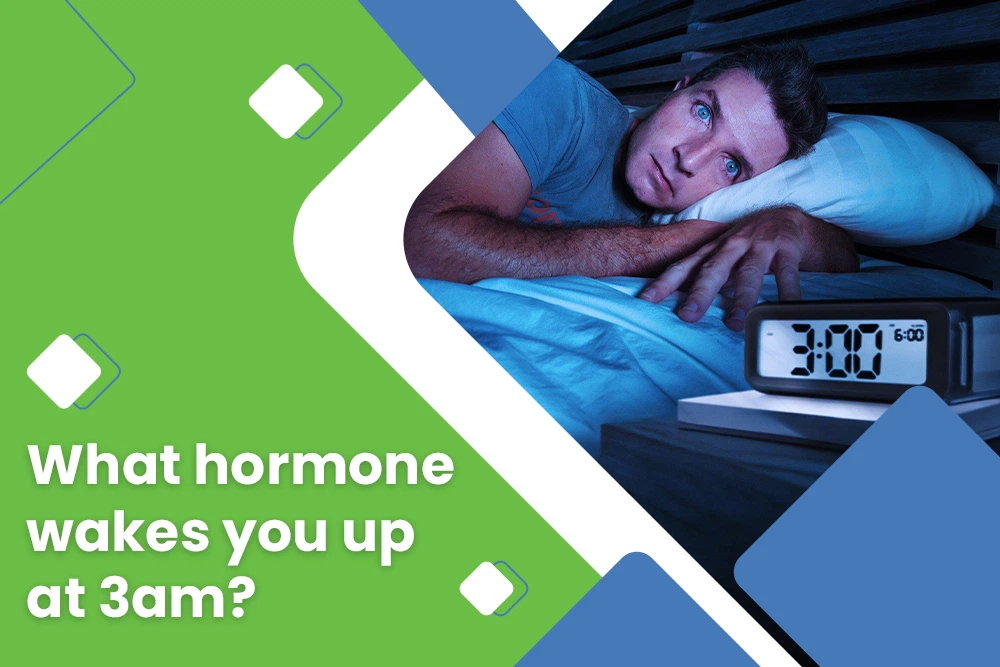
If you keep wondering why do I wake up at 3 am, cortisol is probably the hormone people mean. But it is not quite as simple as cortisol waking you up at exactly 3 am. Usually, it is a mix of normal body-clock changes, lighter sleep, stress, noise, temperature, alcohol, a full bladder, or your brain suddenly deciding now is the ideal time to replay every awkward thing you said in 2017.
Cortisol naturally follows a daily rhythm. It is generally low during the first part of the night, then starts rising toward morning and peaks around waking time. So at 3 am, cortisol is often still relatively low in a typical sleep pattern. If you wake then, cortisol may be part of the bigger picture, especially when stress is involved, but it is rarely the only explanation.
So, is cortisol the reason?
Maybe. Sometimes.
Cortisol is often called the true stress hormone, but it also does ordinary useful things. It helps regulate energy, blood pressure, blood sugar and alertness. You need it. The problem is not that cortisol exists. The problem is when your sleep, stress level and body clock get a bit out of sync.
For most people, cortisol gradually rises in the later part of the night as the body gets ready for the day. That rise is more closely linked with morning waking than with a fixed 3 am alarm inside your body. Research describes cortisol as reaching a low point overnight, often around 2 am to 4 am, before increasing toward usual morning wake time.
Still, if you are tense, under pressure, worried about work, money, health, relationships, deadlines, or just life generally, the stress-response system can feel more switched on than it should be. You wake up. Then you notice you are awake. Then you worry that being awake is bad. Then you are even more awake.
That irritating loop is familiar to anyone who has searched why do I wake up at 3 am while sitting in bed with their phone lighting up their face.
It is not always about one hormone
The 3 am idea has become popular because it feels specific. Almost spooky, really. But sleep does not usually work in such a neat way.
Your sleep cycles move between lighter and deeper stages through the night. You may wake briefly many times and not remember most of them. A wake-up becomes memorable when something keeps you awake: checking the time, a sound outside, feeling too warm, needing the bathroom, reflux, pain, or thoughts that suddenly seem urgent.
Melatonin also matters here. It is the hormone associated with darkness and sleep timing. Bright light, especially from phones and tablets, can interfere with the signals that help the body stay in sleep mode. That does not mean one glance at a screen ruins the night. But if you are already awake, scrolling can make it harder to drift off again.
There are other body signals in the background too:
- Cortisol rises toward morning and supports alertness.
- Melatonin helps signal nighttime and darkness.
- Adrenaline can make you feel suddenly awake when anxiety kicks in.
- Blood sugar shifts, digestion, alcohol and some medicines can also affect sleep.
So when someone asks why do I wake up at 3 am, the more honest answer is: your body may be passing through lighter sleep, and something physical or mental is catching you at the wrong moment.
The stress thing gets bigger at night
Night worry is strange because it can feel completely logical at 3 am.
You might wake up in the morning thinking about so many things, but the middle of the night can be worse. There is no email to answer, no one to call, and no useful action to take. Just you, the ceiling, and a brain trying to solve everything immediately.
Anxiety can activate the body’s fight-or-flight response, making sleep harder because your nervous system behaves as though it needs to stay alert. This can happen even when there is no obvious danger, and even when you are physically exhausted.
For some people, anxiety after eating can also be part of the pattern. A large late meal, indigestion, reflux, alcohol, caffeine, or simply noticing normal body sensations after eating can make falling back asleep feel harder. It is not always anxiety itself, exactly. Sometimes discomfort starts it, then worry keeps it going.
And then there is clock-watching. You wake, see 3:04, panic a little, then see 3:21, panic more. Looking at the time tends to add pressure rather than help. NHS-linked sleep advice often recommends avoiding clock-watching and getting out of bed for a quiet activity if you are still awake after roughly 20 minutes.
Why it keeps happening at the same time
If you ask why do I wake up at 3 am and it happens now and then, it may just be a normal rough night. If it happens repeatedly, though, your body can start learning the pattern.
That sounds dramatic, but it is more like habit formation. You wake at 3 am a few nights in a row. You start expecting it. Then your brain becomes more alert at that point in the night. It does not mean anything is permanently wrong. It just means sleep has become a little too associated with being awake and frustrated.
This is one reason people ask, “Why do I wake up at 3 am every night?” even when there is no single medical cause. Repeated awakenings can be linked to stress, inconsistent bedtimes, naps, alcohol, late caffeine, depression, anxiety, pain, sleep apnea, menopause symptoms, medication effects, reflux and other issues. Sometimes the answer is annoyingly ordinary: the room is too warm and your duvet is too heavy.
Early morning waking can also happen when your sleep window is simply too short. If you go to bed late but must get up early, you may notice every wake-up more sharply because you are already not getting enough sleep.
A few things worth trying, without turning sleep into a project
The annoying part is that trying too hard to sleep can make sleep feel like work.
If you are lying there awake, it can help to stop treating the bed like a place where you must perform sleep perfectly. NHS advice commonly suggests keeping a regular sleep and wake time, winding down before bed, and leaving the bed for a calm activity if you cannot get back to sleep after around 20 minutes.
You do not need a flawless bedtime routine with herbal tea, perfect sheets, meditation music and a color-coded planner. A few plain changes are enough to test first.
Try going to bed and getting up at roughly similar times for a week, including weekends if possible. Cut back on late caffeine. Keep the bedroom dark and not too hot. Avoid drinking lots of alcohol close to bed; it may make you sleepy at first but can disrupt sleep later.
If you wake up, do not check the time if you can avoid it. Keep lights low. Do something boring and quiet outside the bed if you are properly awake. Read a few pages of something unexciting. Sit in another room. No doom-scrolling, ideally.
This is also where the phrase “how to wake up early” can get confusing. Waking early on purpose is different from waking at 3 am anxious and exhausted. A stable morning wake time can help reset your body clock, but forcing yourself up at dawn after barely sleeping is not a magic fix.
When it might be more than a bad habit
Most occasional nighttime waking is normal. You are not broken because you woke up at 3 am once, or even a few times.
But it is worth speaking with a GP, primary-care clinician, or sleep specialist if the pattern lasts for weeks, affects daytime functioning, or comes with things like loud snoring, choking or gasping in sleep, persistent low mood, panic symptoms, ongoing pain, severe reflux, frequent urination, or major tiredness.
Some people search for a disorder that can’t wake up in the morning when the real issue is not laziness or lack of discipline. Ongoing trouble waking, excessive daytime sleepiness or sleep that never feels refreshing can have many possible causes, including sleep deprivation, circadian rhythm issues, depression, medication effects and sleep disorders. It is worth getting proper help rather than blaming yourself.
If you are regularly asking why do I wake up at 3 am, keep a loose note for a week or two. Nothing obsessive. Just bedtime, wake time, caffeine, alcohol, meals, stress level and whether you were awake for a long time. Patterns sometimes show up more clearly on paper than in your head at 3 am.
It may be your body clock, not a message
There is no reliable medical evidence that waking at one specific time has a hidden spiritual or emotional meaning. It can feel meaningful because the quiet makes everything feel bigger.
Sometimes it is cortisol beginning its slow climb toward morning. Sometimes it is a lighter sleep phase. Sometimes it is anxiety. Sometimes it is the neighbor’s bin lorry, a hot room, or having tea too late.
The question of why do I wake up at 3 am matters mostly because it tells you something is interrupting your rest. You do not need to solve every possible cause in one night. Start with the obvious stuff. Give it a little time. And if it keeps happening, get support.
FAQs
1. Does cortisol wake you at 3 am?
Not usually by itself. Cortisol normally rises closer to morning, though stress can make nighttime waking feel more intense.
2. Why do I wake up at 3 am and cannot sleep again?
Stress, light sleep, caffeine, alcohol, discomfort, noise and clock-watching can all make it harder to drift back off.
3. Is waking at 3 am a sign of anxiety?
It can be, especially if your mind is racing, or your body feels tense. But it is not the only possible reason.
4. Should I stay in bed if I wake at 3 am?
If you are awake for around 20 minutes, get up and do something calm in low light until you feel sleepy again.
5. When should I see a doctor about waking at night?
Seek advice if it happens often, lasts for weeks, affects daily life or comes with snoring, gasping, pain, low mood or severe fatigue.


Leave a Reply