
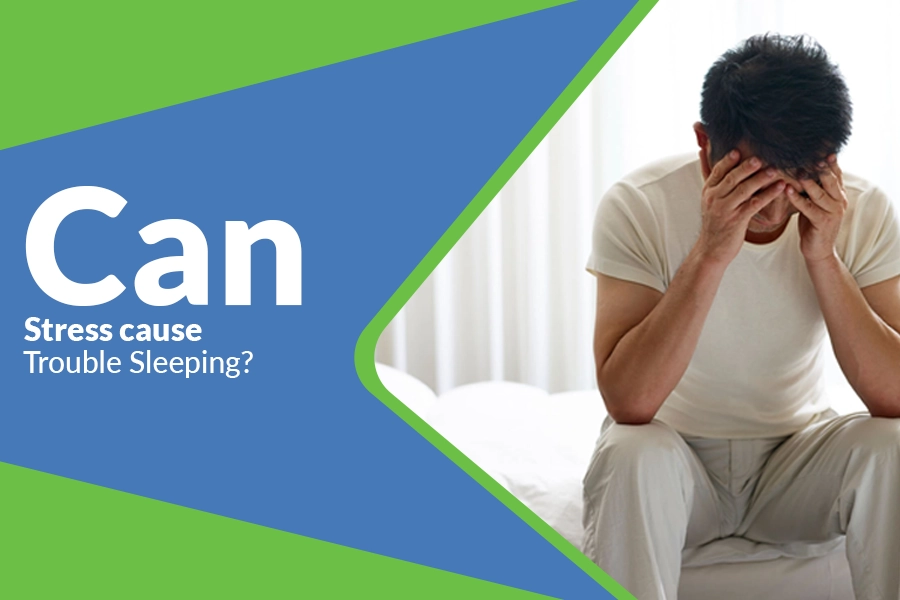
You finally end up in bed after a long day, but the second your head touches the pillow, your brain goes full treadmill mode. Tomorrow’s to-do list sort of runs itself in your head, yesterday’s tense moment keeps popping back up, and sleep feels like it’s somewhere else, like farther away than it has any right to be. If this is even a little familiar, you already get how stress affects sleep. This can mess with sleep in a big way, and for a lot of people, it’s basically the main obstacle between them and a night that actually restores.
The Restless Mind-Body Connection
To see how stress and insomnia end up tangled so often, it helps to know what it does, not just “mentally” but inside the body. When you’re under pressure, your nervous system shifts into this heightened, hyper-aware mode, releasing cortisol and adrenaline like it has to get moving right now. Sure, that response is great when you truly need to respond quickly to a real threat, but it turns into a real issue when it keeps running when bedtime arrives. A racing heart, tight muscles, and thoughts that won’t stop barging in are just not a match for the calm, settled state your body needs in order to drift off. That’s the basic pathway: this keeps your internal alarm system active, even after the tense event is over.
Why Difficulty Falling Asleep Suddenly Feels Impossible
One of the most common complaints is connected to stress affecting sleep. It is how hard it suddenly becomes to fall asleep. You might feel physically worn out, but an overactive mind keeps replaying worries, redoing conversations, or bouncing through endless what-if scenarios about the future. This sort of mental noise is a classic marker of stress-induced insomnia, where the body is tired, yet the brain refuses to fully power down. And there’s this nasty irony here too. The more you try to force sleep, the more it can slip away, because the frustration itself adds another dose of this on top of an already overstimulated system.
The 3 A.M. Wake-Up Call
This doesn’t only show up right at bedtime. A lot of people fall asleep fine, then wake up a few hours later, and it’s like their thoughts hit “on” instantly. This looks like trouble sleeping from this, which is another core part of sleep disruption tied to tension. When chronic tension is in the mix, elevated cortisol can interfere with your natural sleep rhythm, pulling you out of deep sleep too soon and making it harder to restart sleep once your mind starts churning through the day again.
When Nighttime Becomes the Enemy
For many people, stress at night feels harsher than stress in the daylight. During the day, work, errands, and conversations take attention away, but at night the quiet opens up space for anxious thoughts to grow. This brings difficulty staying asleep during the daytime. That’s part of why anxiety and sleep issues are so closely linked; the same mental patterns that fuel anxiety during the day can intensify once the lights go out and there’s nothing else competing for your attention. Some people also build a kind of learned link between their bed and this nightly loop of worry, and then the bedroom stops feeling like comfort and starts feeling like a tension trigger.
The Ripple Effect on Sleep Quality
Even nights where tension doesn’t completely block sleep, it can still quietly damage sleep quality behind the scenes. Tension hormones can interfere with the deeper, more restorative stages of sleep, so you may technically be asleep for seven or eight hours yet still wake up feeling like you didn’t really rest. Over time, this contributes to a wider pattern of sleep disruption, like lighter, choppier sleep, more tossing and turning, and a general sense that your rest doesn’t work the way it should. It’s one of the more overlooked outcomes of chronic tension because people tend to assume.
Breaking the Cycle Before It Becomes Chronic
The stress-sleep relationship goes both ways; poor sleep quality can make it harder to handle, and this gives rise to more sleep disturbances, creating this frustrating feedback loop you can’t easily escape without doing something. You need managing stress for better slee . A steady wind-down routine in the hour before bed helps too, like dimming lights, skipping screens, and doing something soothing such as light reading or gentle stretching. Relaxation practices (like deep breathing, progressive muscle relaxation, or short guided meditations) have also been shown to bring physiological arousal down enough to make sleep onset easier.
Daytime habits still matter, not just the bedtime steps. Getting regular movement helps; even a quick walk can burn off extra tension load and support a healthier sleep structure. Cutting back on caffeine in the afternoon and evening matters too, because it keeps your already-primed nervous system from getting a second stimulant push exactly when you’re trying to unwind. For some people, having a notebook near the bed to dump worries or list tomorrow’s tasks can help offload racing thoughts before they spiral once the lights go out.
And if stress-related sleep problems hang around anyway, or if anxiety and sleep problems caused by it start messing with everyday functioning, it’s worth talking with a healthcare provider or a therapist. They can help figure out whether there’s an underlying anxiety disorder or clinical insomnia at play, and both of those can respond well to specific, targeted treatment. Modasmart 400 mg is recommended for patients with excessive sleepiness due to obstructive sleep apnea, severe narcolepsy, and shift work sleep disorder.
Final Thoughts: Reclaiming Your Nights
Stress and sleep are deeply tangled together, and noticing that link is usually the first little step to slip out of that loop. It might show up as trouble getting to sleep, waking up in the middle of the night with your thoughts doing laps, or even just feeling not rested after you’ve technically had a full night in bed. Stress-related sleep issues are pretty common, totally real, and also, honestly, manageable. If you stick with steady ways to lower tension, plus some solid sleep routines, most people can slowly teach both the body and the mind to see nighttime as a cue for rest again, not for worry.
Explore Modafinil products in:
Modafinil In UK, Modafinil In Germany, Modafinil In Europe, Modafinil In Australia
FAQs
1. Can stress really cause insomnia, or is it just poor sleep habits?
This can genuinely lead to insomnia. It kicks on the body’s fight-or-flight mode, and that raises cortisol and adrenaline, so your nervous system stays switched on. Then you end up struggling to relax enough to fall asleep or remain asleep, even if your usual sleep habits are pretty good.
2. Why do you wake up in the middle of the night?
When tension is high, the sleep cycles can get messed up. You may get pulled out of deeper sleep stages sooner than you’d normally. And once you’re awake, a mind that’s buzzing tends to grab onto worries right away, so falling back asleep becomes way harder for a while.
3. How long does stress-induced insomnia usually last?
It depends on what’s causing it and how long it keeps going. If it’s short-term tension, things often improve once the trigger disappears. But with ongoing or chronic tension, sleep trouble can stick around, and then you might need focused tension-reducing habits, or sometimes extra professional help.
4. What’s the difference between anxiety and stress when it comes to sleep problems?
This is time-sensitive. Anxiety usually leans toward more constant, wide-ranging worry, and it isn’t always pinned to one clear cause. Both can disturb sleep in similar biological ways, and they can overlap too, so it’s not always clean-cut.
5. What’s the fastest way to calm nighttime stress before bed?
Quick techniques can help settle things down fast. Slow, deep breathing works, and progressive muscle relaxation can also dial down your physical arousal. Another simple move is to write out the racing thoughts in a notebook and dim the lights about an hour before bed. That kind of routine helps tell your body it’s time to quiet down.

Leave a Reply