
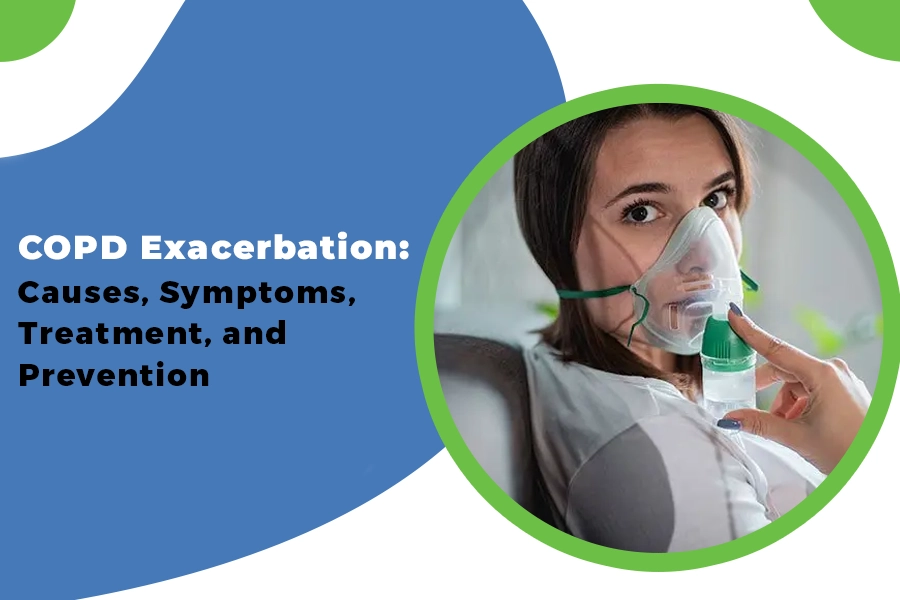
Those who have witnessed a loved one experience a severe flare-up know just how rapidly things can deteriorate.One day breathing is manageable, the next day it’s a fight just to walk to the kitchen. That’s usually what people are describing when they mention a COPD exacerbation, even if they don’t use that exact term. It’s one of those medical phrases that sounds clinical but describes something very physical and very scary at the moment.
This piece tries to lay out what’s actually going on during a flare, why it happens, and what tends to help without pretending there’s a neat formula for every case, because there really isn’t.
What Is a COPD Exacerbation?
COPD exacerbation is a sudden worsening of the usual COPD symptoms like more breathlessness, more coughing, more mucus, sometimes a change in the color of the mucus. It’s not just a bad day. It’s a shift that lasts, often for several days, and it usually needs some kind of medical response, even if that response is just an inhaler adjustment.
Physicians sometimes call it an acute exacerbation to separate it from the slow, steady decline that COPD naturally involves. The “acute” part matters because it signals something is happening now, not gradually over months. People also just say COPD flare-up, and honestly that’s probably the more intuitive way to think about it-something flares, gets worse, and then (hopefully) settles.
Not every bad breathing day counts as an exacerbation either. There’s a fuzzy line here that even clinicians argue about. Mild symptom changes might just be normal variation. A real flare tends to be more persistent and more disruptive.
What Causes a COPD Exacerbation?
- Infections are probably the biggest reason for the exacerbation. Respiratory infections, whether viral like a cold or flu, or bacterial infections are behind a huge chunk of flare-ups. The lungs are already inflamed and sensitive in COPD, so even a mild cold that wouldn’t bother most people can tip things over.
- Air pollution is another major piece. Smog, wildfire smoke, even strong fumes from cleaning products or paint can act as exacerbation triggers. Cold air by itself can do it too; a lot of people notice their breathing gets worse the moment winter hits.
- Stress, poor sleep, skipping medication doses, or just general fatigue. None of these single-handedly cause a flare the way an infection might, but they can lower the threshold, making the lungs more reactive to whatever comes next.
- Smoking, obviously, remains one of the biggest underlying exacerbation causes, even indirect ones like secondhand exposure.
And sometimes this happens more than people admit; there’s no clear trigger at all. It just happens.
Common Symptoms of COPD Exacerbation
The symptoms usually build on what’s already there, just amplified. More shortness of breath than usual, even during things that weren’t difficult before, like getting dressed or walking a short hallway. A cough that’s worse, or that won’t quit. Mucus that’s thicker, more of it, or a different color than normal: sometimes yellow or green, sometimes just noticeably increased.
Some people describe a tightness in the chest. Others mention feeling unusually tired, almost drained, before they even notice the breathing has changed. Wheezing tends to get louder too, or shows up when it wasn’t there before.
COPD flare-up symptoms can also include swelling in the ankles or legs in more advanced cases, or a bluish tint around the lips or fingertips: this one’s a major symptom and shouldn’t be brushed off. Confusion or unusual drowsiness is another one that needs attention fast, because it can mean oxygen levels have dropped more than they should.
It’s worth saying that not everyone experiences all of these. Some people mostly notice the breathlessness. Others mostly notice the cough. The pattern isn’t identical from person to person, which is part of why exacerbations get missed or downplayed sometimes.
How Is a COPD Exacerbation Diagnosed?
Mostly this comes down to a clinical picture; meaning a physician listens to the symptoms, checks oxygen levels with a pulse oximeter, and often listens to the lungs directly. A chest X-ray might get ordered too, mainly to rule out pneumonia or something else going on underneath the flare.
Blood tests sometimes come into play, especially to check oxygen and carbon dioxide levels if things look severe. Sputum samples can be taken if there’s suspicion of a bacterial infection driving things.
There isn’t one single test that says “ Yes, this is a COPD exacerbation.” It’s more of a judgment call based on symptoms, history, and how the person looks and sounds in the moment.
COPD Exacerbation Treatment
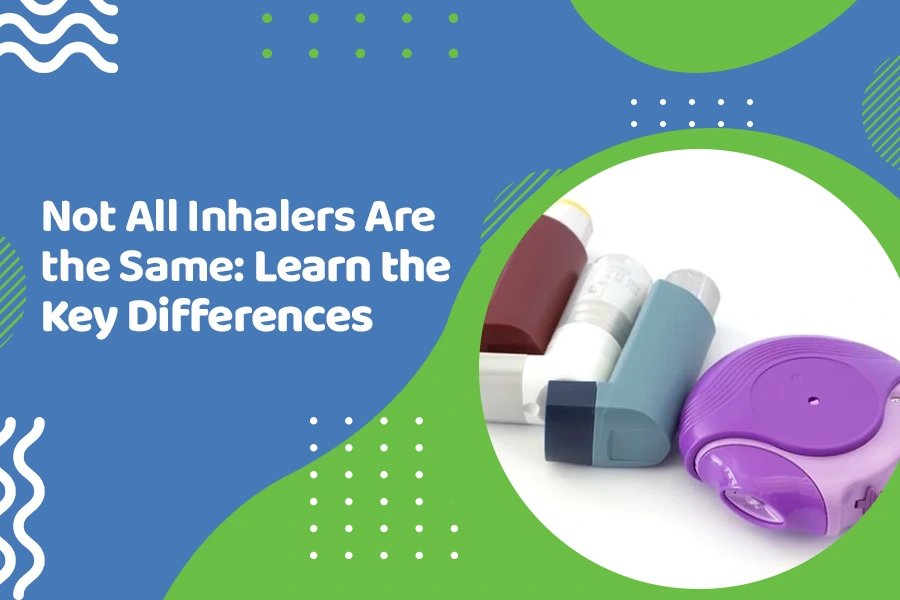
Treatment depends a lot on severity. Mild flares might just need an increase in the usual bronchodilator inhaler like Foracort Inhaler using it more often than prescribed for a few days. Physicians often add a short course of oral steroids too, which helps bring down the inflammation quickly. If there’s a suspected bacterial infection, antibiotics come into the picture. A lot of flares are viral and antibiotics won’t do much there but when mucus changes color or there’s fever, antibiotics are common.
For more severe cases, supplemental oxygen might be needed, and in the worst situations, hospitalization with things like non-invasive ventilation. The treatment really spans a wide range, from “take this inhaler a few extra times a day” all the way to intensive care, depending on how bad things get. Pulmonary rehab sometimes gets brought up after a flare too, more as a longer-term recovery tool than an immediate treatment.
How Long Does a COPD Exacerbation Last?
This varies more than people expect. Some flares settle within a few days with treatment. Others drag on for a couple of weeks, especially if there was an underlying infection that took longer to clear. Full recovery to baseline lung function can actually take even longer than the symptoms themselves, sometimes a month or more, which surprises a lot of people who assume once the cough is gone, everything’s back to normal.
There’s also a pattern where lung function doesn’t fully bounce back to where it was before the flare. Each exacerbation can chip away a little at baseline capacity, which is part of why prevention gets talked about so much.
When Should You Seek Emergency Care?
The moments when emergency care should be considered are:
- Bluish lips or fingertips severe confusion
- Extreme drowsiness
- Breathlessness is so bad that talking in full sentences becomes impossible.
- A resting heart rate that’s unusually fast alongside worsening breathing.
If oxygen saturation drops below what’s normally safe for that person (this varies, so it helps to know your own baseline), that’s also a reason to get seen urgently. Waiting too long during a severe flare is one of the more common and preventable reasons people end up needing intensive treatment.
How to Prevent COPD Exacerbations
Prevention isn’t glamorous, but it works more than people give it credit for. Staying current on flu and pneumonia vaccines cuts down on one of the biggest triggers. Avoiding smoke; cigarette smoke obviously, but also wood smoke, strong chemical fumes, heavy pollution days. Taking maintenance inhalers consistently, even on days when breathing feels fine, is one of those things people skip and then regret. Hand hygiene sounds almost too simple to mention, but reducing respiratory infections really does lower the risk of exacerbation.
Pulmonary rehab programs, staying physically active within reason, and managing other health conditions like heart disease or diabetes alongside COPD all play a role in prevention of exacerbation. None of these guarantee a flare-free life, but they shift the odds.
COPD Exacerbation Action Plan
A lot of pulmonologists recommend having a written action plan, basically a personalized guide for what to do at the first sign of symptoms getting worse. It usually outlines which medications to start or increase, at what point to call the physician, and at what point to go to the ER.
Having this written down ahead of time, rather than trying to figure it out mid-flare when breathing is already hard and thinking clearly is tough, tends to lead to faster, better decisions. It sounds like a small thing but it genuinely changes outcomes.
COPD Exacerbation and Hospitalization
Not every flare needs a hospital stay, but a meaningful chunk do, especially in people with more advanced COPD or multiple health conditions. Hospitalization usually comes into play when oxygen levels drop too low at home, when symptoms don’t respond to outpatient treatment, or when there’s a risk of respiratory failure.
Hospital stays for exacerbations can also be a turning point sometimes the moment a physician and patient sit down and talk more seriously about long-term management, oxygen therapy, or even pulmonary rehab referrals. It’s not just about getting through the acute flare, it’s often a signal to rethink the broader care plan.
FAQs
- What triggers a COPD exacerbation most often?
Respiratory infections are the most common trigger, followed by air pollution and cold weather.
- Can a COPD exacerbation happen without infection?
Yes, pollution, stress, or missed medications can trigger one without any infection involved.
- Is a COPD flare-up the same as an exacerbation?
Pretty much, they’re used interchangeably by most physicians and patients.
- How serious is a COPD flare-up?
It ranges from mild to life-threatening, so symptoms should never be ignored.
- How long does a COPD exacerbation usually last?
COPD exacerbation usually lasts between 7 to 14 days.



Leave a Reply