
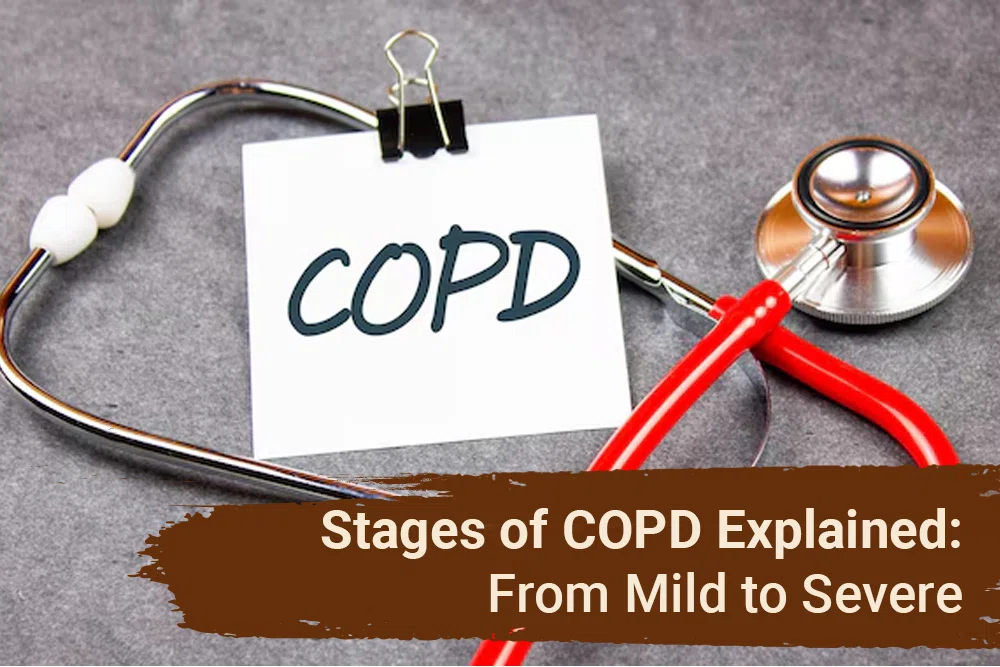
You have heard this line differently, but what we are going to say is similar to that.
“COPD is often described as an iceberg disease because the symptoms you notice are only the tip of what’s really happening inside the lungs.”
Sounds confusing; let us understand in simple terms. Shortness of breath or a persistent cough are common symptoms, but these signs are just the beginning. Beneath the surface, the lungs may already be experiencing long-term damage that worsens with time.
It can initially feel overwhelming to learn that you or someone you love has COPD. The good news is that you can make COPD much less confusing if you are aware of its stages. Understanding each stage makes it simpler to recognize changes, ask more insightful questions during appointments, and make decisions that promote regular breathing and long-term health.
What is COPD
You may or may not have heard doctors talk about COPD severity stages, which simply describe how much the disease is affecting airflow. COPD, or chronic obstructive pulmonary disease, is a long-term lung condition that usually includes chronic bronchitis, emphysema, or both. It tends to develop slowly, which is why many people do not notice the early signs right away. This article breaks the journey down in plain language so you can understand what happens from mild to severe COPD.
Why the Stages of COPD Matter
The stages of COPD are not just labels on a medical report. These stages help doctors assess how well the lungs are working, which helps them choose the best treatments or supportive care. A person in an early phase may only need lifestyle changes, inhalers, and regular monitoring. Someone in a later phase may need more intensive treatment, pulmonary rehab, oxygen therapy, or close medical supervision.
That is why staging is helpful, but symptoms and quality of life matter just as much.
The Stages of COPD at a Glance
These stages are usually based on spirometry, a breathing test that checks how much air a person can forcefully blow out in one second. In addition, doctors consider flare-ups, oxygen levels, the presence of symptoms, and how much the condition affects daily activities.
Doctors classify the stages of COPD into four levels:
Stage 1: Mild COPD
The first of the stages of COPD is often the easiest to miss. In the mild phase, many people attribute them to aging, lack of fitness, or seasonal colds.
Normal mild COPD symptoms can include:
- Breathlessness during physical exertion, such as walking uphill or climbing stairs
- Occasional mild mucus-producing cough
- Fatigue after physical activity
Additionally, this is the stage where early action makes a real difference. Such as quitting smoking, avoiding air pollution, staying up to date with vaccines, exercising regularly, and taking prescribed inhalers can help protect lung function. Many people are surprised to learn that COPD can be managed much better when caught early.
Stage 2: Moderate COPD
As the stages of COPD move forward, breathing problems usually become more noticeable. People with moderate COPD typically seek help from healthcare providers when their health worsens.
The following are typical signs of moderate COPD:
- Having difficulty breathing while performing daily tasks
- Wheezing or tightness in the chest
- An increase in mucus production and coughing
- Regular infections of the respiratory system
With the above-mentioned moderate COPD symptoms, many individuals finally look for a diagnosis at this point. People might begin to notice how their daily activities are influenced by how far they have to walk or how many stairs they have to climb. Because pulmonary rehabilitation, breathing exercises, bronchodilator inhalers, and lifestyle changes can greatly improve the quality of life and functional capacity for people with moderate COPD symptoms, treatment here often becomes more regimented.
Stage 3: Severe COPD
In the later stages of COPD, symptoms can begin to shape nearly every part of a person’s routine. Severe COPD means airflow limitation is very limited, and this has a bigger and bigger effect on daily life.
Some severe COPD symptoms include:
- Persistent shortness of breath, even when doing small things
- Chronic cough with a lot of mucus
- Frequent exacerbations or flare-ups that may require hospitalization
- Reduced ability to perform normal activities
This is usually the point where quality of life becomes a major focus of care. Physicians might tweak prescriptions, more vigorously suggest pulmonary rehabilitation, and keep a close eye out for potential issues like weight loss, infections, anxiety, or heart problems. Families may also begin to notice how much support the person needs emotionally as well as physically.
Stage 4: Very Severe COPD
The final phase is the most serious among the stages of COPD. This is sometimes described as the advanced COPD stage, where airflow limitation is extreme, and symptoms are often present even at rest. At this point, breathing can feel like a daily struggle.
People in this phase may have severe breathlessness, repeated exacerbations, reduced mobility, poor appetite, unintended weight loss, and dangerously low oxygen levels. Some may need oxygen therapy or hospital care during flare-ups. Daily independence can become limited, and simple activities may require help from caregivers.
Even so, this stage is not only about decline. Good care still matters enormously. The proper combination of drugs, rehab, nutrition support, oxygen if needed, and palliative care can improve comfort, reduce distress, and help someone live with more dignity and less fear.
How Doctors Measure COPD
Doctors use symptoms, medical history, and breathing tests to understand where a person falls within the disease range. One important system is the GOLD classification for COPD, which groups patients based on lung function and symptom burden. GOLD stands for Global Initiative for Chronic Obstructive Lung Disease.
In simple terms, the lower the airflow on testing, the more advanced the stage may be. Doctors don’t make decisions based solely on one figure. They consider a broader picture, including the frequency of flare-ups, any decline in oxygen saturation, the patient’s activity level, and the disease’s impact on sleep, work, and everyday life.
That is why regular follow-up matters. COPD can shift gradually, and what feels “normal” to a patient may actually be a sign that the condition is getting worse.
Can COPD Progression Be Slowed?
One of the most important things to understand about COPD is that it is chronic, but it is still manageable. While lung damage usually cannot be reversed, steps can be taken to slow COPD disease progression and improve day-to-day breathing.
Here are the habits that make the biggest difference:
- Stop smoking completely if you smoke.
- Avoid secondhand smoke, dust, fumes, and polluted air when possible.
- Use inhalers exactly as prescribed.
- Stay active; light to moderate exercise, like walking or stretching, can improve lung capacity.
- Ask your doctor about pulmonary rehabilitation.
- Get recommended vaccines to lower the risk of serious infections.
- Seek treatment early when symptoms suddenly worsen.
- Eat well and maintain a healthy weight, since both undernutrition and obesity can make breathing harder.
Managing chronic obstructive pulmonary disease (COPD) is a bit like looking after a battery that’s starting to lose its charge. Even though the battery can’t be replaced, good care helps it work better over time.
Living Well at Any Stage
It is important for both patients and caregivers to know the different stages of COPD, from mild to severe. Catching the initial symptoms, sticking to prescribed treatments, and making adjustments to your everyday habits can all contribute to a slower progression of the disease and a better overall well-being. If you or a loved one is having trouble breathing, don’t wait. Get medical help right away. With the right care and support and living well with COPD is entirely possible.
FAQs
- What is the first indicator of COPD?
A long-term cough, especially in smokers or persons who are around dust and fumes, is often the first indicator. Some people also report that they get short of breath more readily when they walk or climb stairs.
- Can mild COPD get severe?
Yes, it can if the condition keeps getting worse over time. But stopping smoking, taking therapy seriously, staying active, and treating infections early can slow down that decline.
- Are asthma and COPD the same thing?
No. They are both conditions that impact breathing, but they are not the same. Asthma normally causes the airways to constrict, but COPD is a progressive lung condition that makes it harder for air to move through them.
- Can someone with COPD expect to live a long life?
Absolutely, many people do. The disease’s stage, smoking status, frequency of flare-ups, general health, and treatment compliance all affect how long a person can expect to live.
- When should a person with COPD see a doctor right away?
They should visit the emergency room if they suddenly experience worsening dyspnea, bluish lips or fingertips, disorientation, chest pain, a high temperature, or a significant drop in oxygen levels at home.



Leave a Reply