
Okay so. You sleep nine or ten hours. Sometimes more on weekends. And you still wake up feeling like someone hit you with a truck.
Coffee doesn’t really touch it. Naps don’t help either, which is the weird part; usually a nap fixes tiredness, at least a little.
If that sounds familiar, you might’ve already searched “why am I always tired even after sleeping” a dozen times and gotten nothing useful back. Same generic advice. Drink more water. Sleep hygiene. Cut caffeine after 2 pm. Sure, fine, but what if none of that’s the actual problem?
There’s a condition called idiopathic hypersomnia, and honestly, most people have never heard of it, which is part of the problem.
This isn’t the same as being tired
Everyone’s tired sometimes. That’s not what we’re talking about here.
Idiopathic hypersomnia is a real neurological sleep disorder where your brain just doesn’t regulate sleep wake cycles properly. You can sleep a full night, a long night even, and still not feel rested. It’s not about quantity.
The word “idiopathic” basically means doctors don’t know why it happens. Which, I’ll be honest, sounds unsatisfying when you’re the one living with it. You want a reason. There often isn’t one.
Sleep doesn’t actually fix anything
This is the part people find hardest to explain to friends or coworkers.
With most tiredness, sleep is the cure. You sleep, you feel better, done. With this, sleep is more like, I don’t know, pouring water into a bucket with a hole in it? You sleep and sleep, and the tiredness just doesn’t drain out.
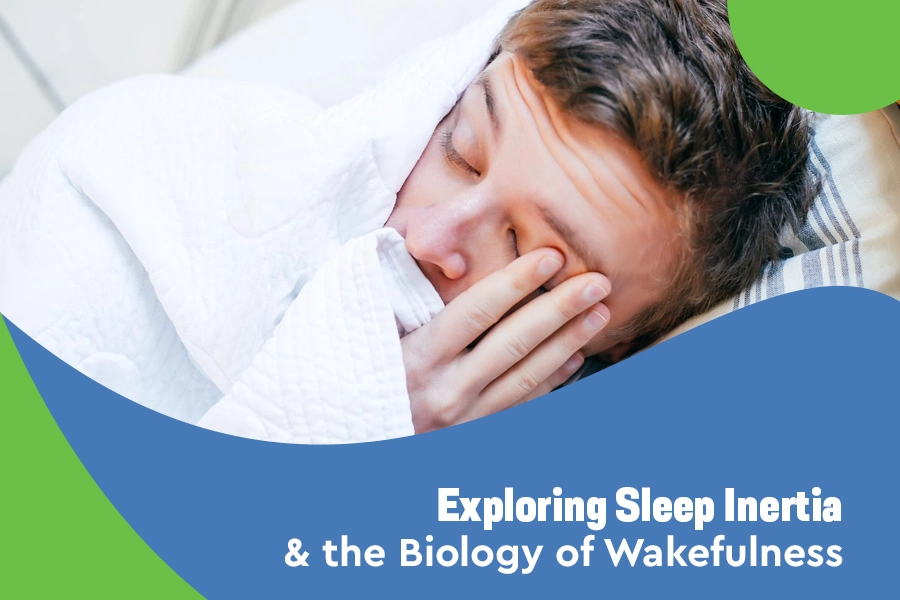
People with idiopathic hypersomnia symptoms often describe waking up groggy, confused, and almost drunk-feeling, for anywhere from a few minutes to over an hour. There’s actually a term for it, “sleep drunkenness,” which sounds almost funny until you’re the one stumbling around unable to find your own kitchen.
And naps on these trips people up. Naps usually don’t refresh you either. Sometimes they make things worse. You wake up from a nap feeling heavier than before you lay down.
Wait, is this even a real diagnosis
Yeah. It’s recognized; it’s in the sleep medicine classifications, and sleep specialists diagnose it. It’s just not talked about much compared to insomnia or sleep apnea, which get way more attention.
Idiopathic hypersomnia disorder affects a relatively small number of people compared to something like insomnia, so a lot of GPs have barely encountered it. Some patients go years being told they’re just depressed, or lazy, or need to “manage stress better” before anyone even mentions this as a possibility.
That’s rough. Being tired all the time and not being believed is its own kind of exhausting.
What it actually looks like day to day
Hard to sum this up neatly because it varies person to person, but a few things come up again and again.
Sleeping way longer than average 10, 11, or sometimes 12+ hours and still needing an alarm plus someone shouting to actually get up.
Brain fog. Not the vague kind everyone jokes about. More like actual difficulty concentrating, forgetting words mid-sentence, and losing your train of thought in meetings.
Feeling like you’re wading through fog for hours after waking, even after coffee, even after a shower.
Falling asleep at inconvenient, sometimes alarming times during a movie, at your desk; once I read about someone falling asleep mid-conversation. Not narcolepsy-style sudden collapse, more like a slow drift you can’t fight off.
This overlaps a lot with general excessive daytime sleepiness, which is honestly the umbrella term doctors use for a bunch of different sleep disorders, not just this one. So the symptoms alone don’t confirm anything that’s part of what makes it tricky to pin down.
Okay, but why does this happen
Nobody fully knows, which again is right there in the name.
There are theories. Some research points to abnormal levels of certain sleep-related chemicals in the brain, something to do with GABA receptors being overly sensitive, almost like the brain’s internal sedative system is turned up too high, all the time. Other researchers look at disrupted circadian rhythm regulation.
Genetics might play some role too; there’s some clustering in families, but nothing conclusive. It’s not one gene, one switch.
Honestly, the idiopathic hypersomnia conversation is still evolving. Researchers keep finding pieces but not the whole picture. Which is frustrating if you’re the one waiting for answers, but also just where the science currently sits.
How do you actually find out if it’s this
This is where it gets a bit tedious, not gonna lie.
Diagnosis usually involves ruling out other things first: sleep apnea, thyroid issues, depression, medication side effects, and narcolepsy. Doctors don’t jump straight to idiopathic hypersomnia because so many other, more common things cause similar fatigue.
If those get ruled out, a sleep specialist might order an overnight sleep study followed by something called a Multiple Sleep Latency Test the next day, basically measuring how fast you fall asleep during scheduled naps. People with this condition tend to fall asleep fast, repeatedly, without hitting the usual sleep stages narcolepsy patients hit.
It’s not a quick process. Some people wait months for a proper sleep clinic referral. Some wait years before anyone even suggests it.
So what do you do once you know
There’s no single cure, unfortunately. Treatment tends to be about managing symptoms rather than reversing the condition entirely.
Stimulant medications are sometimes prescribed, similar to what’s used for narcolepsy, to help with wakefulness during the day. Some newer medications target that GABA pathway theory directly.
Lifestyle stuff helps some people at the margins: consistent sleep schedule, limiting alcohol, and being careful with sedating medications, but let’s be real, it’s not going to undo a neurological sleep disorder on its own. It’s support, not a fix.
Therapy or support groups help some people too, less with the sleepiness itself and more with the frustration of living with something invisible that people don’t take seriously.
It’s not laziness, even though it can feel that way
I think this is worth saying plainly. If you have unexplained daytime sleepiness that isn’t going away no matter what you try, it’s worth actually bringing up with a doctor instead of just accepting it as your personality now.
A lot of people spend years thinking they’re just “not a morning person” or bad at managing energy, when there’s an actual underlying reason. Doesn’t mean everyone tired all the time has this condition; most people don’t, but it’s worth ruling out if nothing else explains it.
Anyway. If any of this sounded a little too familiar, maybe it’s worth a conversation with a sleep specialist rather than another cup of coffee.
FAQs
1. Is idiopathic hypersomnia the same as narcolepsy?
No, though they share some symptoms. Narcolepsy usually involves sudden sleep attacks and muscle weakness; this doesn’t.
2. Can idiopathic hypersomnia go away on its own?
Rarely. It’s usually a long-term condition managed rather than cured.
3. How long does the grogginess after waking usually last?
Anywhere from a few minutes to over an hour in some people. It varies a lot
4. Is it caused by poor sleep habits?
No. It’s a neurological condition not something caused by bad sleep hygiene.
5. Should I see a sleep specialist or my regular GP first?
Start with your GP to rule out common causes then ask for a referral to a sleep specialist if nothing explains the fatigue.

Leave a Reply