
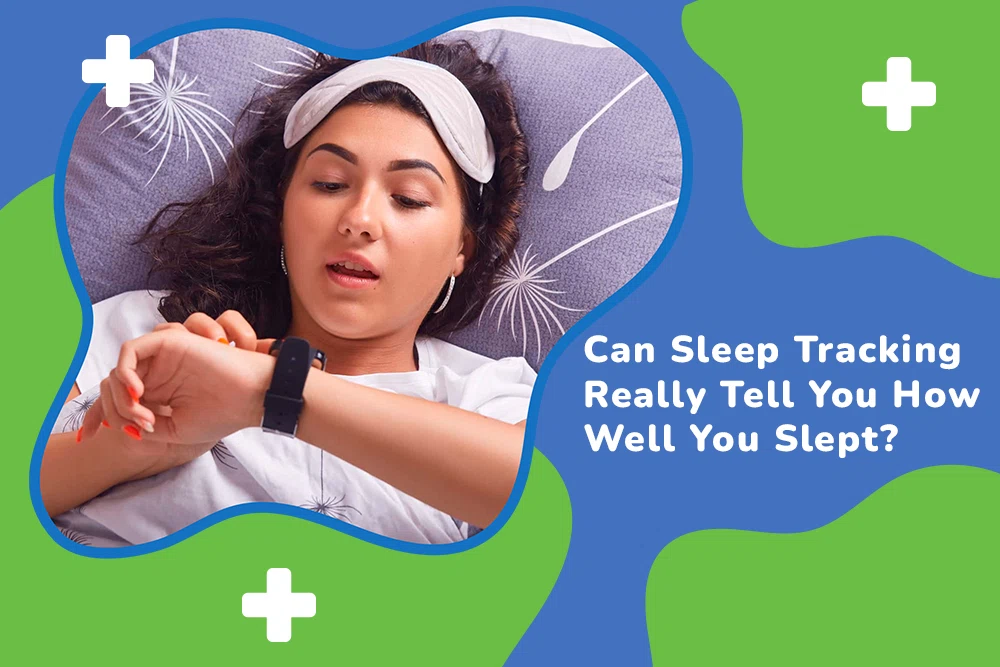
You wake up, reach for your phone or even just glance at your wrist, and before you’ve had that tiny sip of water, you already get a percentage number about how well you “supposedly” slept. Sleep tracking is pretty normal now, like it’s just another app notification, and a lot of people end up trusting the score more than the way they actually feel. Still, it makes you wonder, like how real is that tech, and if the sleep score is high, does that really mean you had a good night? The answer is not as clean as the slick charts make it look, more messy than that.
The Rise of the Bedside Data Scientist
A sleep tracker, whether it’s strapped to your wrist, tucked under the mattress, or built into a smartwatch, has slowly become one of the most common personal health tools people wear. Sleep monitoring uses movement sensors, heart rate monitoring, and sometimes blood oxygen sensors to guess what’s going on in your body during the night. Then sleep tracking that gets mashed through an algorithm and spit back out in the morning as a neat summary: sleep time, sleep phases, and usually one overall sleep score that tries to compress the whole night into a single number.
Honestly, the whole thing appeals because you’re unconscious for most of it, and you never really know what your body is doing. Getting data about sleep patterns instead of relying on that vague morning feeling, such as “I feel rested” or “I feel wrecked,” is a strong temptation, and yeah, it’s powerful at sleep tracking devices.
Related: Sleepmaxxing: The Internet’s Obsession With Perfect Sleep
What These Devices Are Actually Measuring
Most consumer sleep tech leans on actigraphy, which is basically a method that watches movement and uses it to infer whether you’re asleep or awake. On top of that, many trackers use heart rate variability to estimate what sleep stage you’re probably in. Some models of sleep tracking devices go further and add things like skin temperature or blood oxygen readings to sharpen the guesswork a bit more.
From all those signals, the sleep tracking device tries to rebuild the night: how much time you spent in light sleep, deep sleep, and REM sleep; how long it took to fall asleep; and how often you woke up. But it matters: these aren’t measuring brain activity the way a clinical sleep study does. Instead, they’re educated guesses, tied to physical clues that correlate with different stages, and that creates a real gap between what you see on your app and what your brain is actually doing.
How Close Is Close Enough? Accuracy in the Real World
When researchers compare consumer sleep trackers to polysomnography, the “gold standard” sleep study that measures brain waves directly, the general pattern looks like this: most devices do pretty well at telling sleep from wakefulness overall, but they’re less dependable at naming the exact sleep stages. Deep sleep and REM sleep estimates can bounce around, not only between brands but even between different nights on the same sleep tracking device. Also, some trackers tend to overestimate total sleep time, especially for people who lie still while they’re actually awake, because low movement can get mistaken for sleeping. This doesn’t mean sleep tracking is useless. It just means those specific numbers shouldn’t be treated like clinical truth.
The Trouble With a Single Sleep Score
That single sleep score most apps hand you can be handy as a quick daily snapshot, but it also has drawbacks that are worth understanding. The score is usually calculated from a proprietary formula, and that formula often weighs things like total sleep duration, sleep efficiency, time in different stages, and sometimes heart rate or “restlessness.” The annoying part is that each company uses its own weighting, so the same night could produce noticeably different scores depending on which tracker you wear. Comparing scores across sleep tracking devices then becomes a bit pointless.
There’s also a psychological side effect; not everyone talks about it. Some people get so locked in on chasing a high score that they start to feel stressed about sleep itself. This is sometimes loosely called orthosomnia. Ironically, it can make it harder to actually fall asleep. Think of the score as a rough pointer, not a verdict on your value, and keeping a little skepticism is what protects both your data understanding and your sleep quality.
Related: How Stress Impacts Sleep Quality and Cognitive Function
Efficiency: The Metric Worth Paying Attention To
Sleep efficiency (meaning the percent of time in bed that you actually spend asleep) tends to be one of the more genuinely useful metrics. Many people consider 85 percent or higher to be a healthy target, and watching it over time can help you notice patterns you might miss on your own. For example, it can catch stretches where you’re awake for a while after waking during the night, even if you don’t fully realize it.
Unlike those stage-by-stage breakdowns, efficiency is often calculated from simpler and more reliable movement and timing data, so it’s usually a sturdier number to lean on instead of obsessing over the sleep score alone regarding sleep tracking.
Turning Data Into Genuine Sleep Health Insight
If you use sleep tracking thoughtfully, it can help you get real sleep health insight, like patterns you would not notice otherwise. When you start seeing that your sleep basically always gets worse after late-night screen time, alcohol, or some caffeine cutoff time, that can nudge you toward actual behavior change. And when you look at the data over weeks, travel, stress, or schedule shifts tend to show up pretty clearly, instead of that vague feeling like “something is off.” Still, the trick is to focus on trends, not obsess over nightly fluctuations.
Related:
Where Sleep Technology Should Step Aside for a Healthcare Provider
Sleep tracking can be a useful personal tool, but it isn’t a diagnostic device, and it shouldn’t replace medical evaluation when something genuinely feels wrong. If your tracker keeps flagging irregular breathing or unusually low blood oxygen, or if you’re dealing with symptoms like loud snoring, gasping during sleep, or persistent daytime exhaustion even though your app says you slept enough, those are real signals to talk to a healthcare provider. Don’t try to self-manage solely through an app, not with things like that. A clinical sleep study is still the most reliable route for diagnosing sleep apnea or other genuine sleep disorders.
In A Nutshell
The honest answer is in the middle. Modern sleep tech can’t really deliver a clinically precise view of brain activity, and its stage-by-stage estimates should be treated with a small grain of salt. But if you use it to spot patterns over time, instead of getting stuck on one night’s score, sleep tracking can provide a genuinely helpful window into habits and trends that are otherwise easy to miss. The best way is to treat your tracker like a helpful companion alongside how you actually feel each morning, not the final judge of your rest.
Frequently Asked Questions
1. How long does a tracker show?
2. For whom long-term sleep analysis can be more valuable than any single night score?
For shift work people, or anyone with irregular schedules, this long-term sleep analysis can be more valuable than any single night score.
3. What is sleep efficiency, and why does it matter?
4. Should you be worried if your sleep tracker shows low deep sleep or REM sleep?
An occasional low reading usually isn’t a reason to panic, since these estimates can be off, and sleep also shifts naturally night to night. What matters more is a consistent or worsening trend over weeks; that’s a good thing to discuss with a healthcare provider.

Leave a Reply