
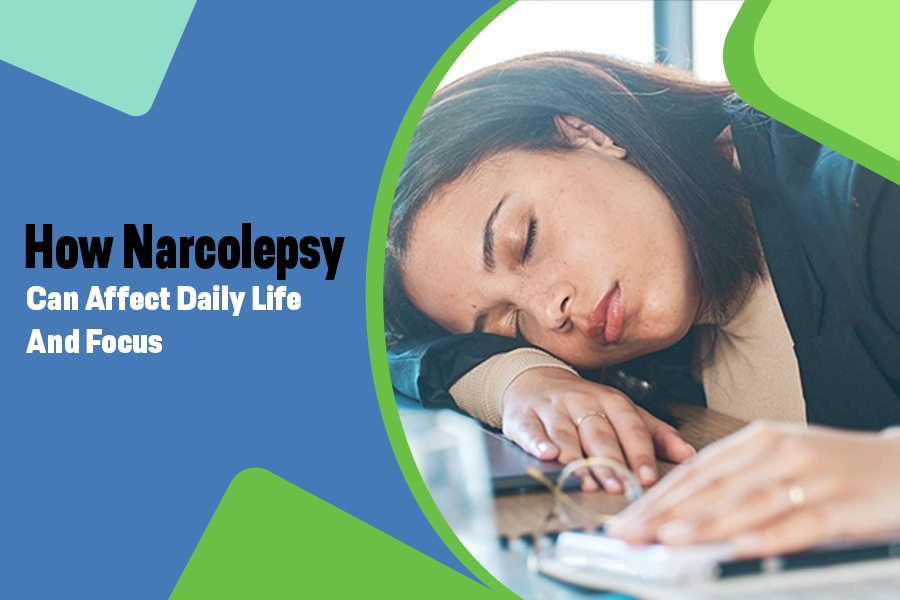
Narcolepsy is a long-term neurological sleep disorder that is much more than being sleepy! In Europe, it is estimated to affect about 1 person in 2,500, as per the report of the “European Narcolepsy Alliance for Patients”. the awareness of this condition has increased vastly in the past years, but many of the people are still not aware of the impact this disease may have on their concentration, work performance, and life. But recognizing its symptoms and influences on mental clarity is a crucial step in managing and creating a more manageable and predictable routine.
An Introduction: Narcolepsy as a Sleep Disorder
This is considered a sleep disorder that stems from an abnormal amount or use of a chemical in the brain called hypocretin, which is important in keeping you awake during the day. When the brain doesn’t receive adequate hypocretin, it has trouble maintaining a stable level of alertness, leading to variable sleep attacks, poor sleep continuity, and a general sense of fuzzy thinking. This does not mean that the person is not practicing good sleep habits or not trying hard enough.
Common Symptoms
Excessive daytime sleepiness (EDS) is its most well-known symptom. It is a deeply entrenched and overwhelming sleep drive that doesn’t abate even after a good night’s sleep. As per the report of the “Journal of Sleep Research,” Cataplexy is a pathognomonic symptom, which is reported by 60%-70% of patients. In addition to this sentinel symptom, a large number of individuals may also have cataplexy, a brief episode of muscle relaxation brought on by strong emotions; sleep paralysis, where the person feels paralyzed, unable to move or speak, when they are about to fall asleep or wake up; hallucinations during sleep; and a fragmented, disorganized nighttime sleep that occurs despite feeling very tired during the day.
Daily Life With This Sleep Disorder
Living with this can be challenging and involve planning around fluctuating energy and unexpected sleepiness. When the brain won’t stay reliably alert, simple things like sitting for an extended period of time during a meeting, driving across town, or taking a lecture can be really difficult. This can make socializing more difficult, too, because drowsiness or an attack while talking to others may be interpreted as rudeness or a lack of interest instead of a medical condition.
Cognitive Function and Narcolepsy
One of the most disruptive aspects is the relationship between focus and the disease. Sustained attention is the ability to keep a steady basis of alertness in the brain, and of course, this disrupts that baseline. This makes it particularly hard for many individuals to focus on passive or repetitive tasks, like reading lengthy documents, watching presentations, or tasks that call for detail-oriented thinking. This is related to wider cognitive function, which indicates that disturbed and disrupted sleep has a negative impact on memory consolidation and processing speed, thus making it difficult to retain new information or to shift easily from one mental activity to another during the day.
Productivity With Narcolepsy
Long periods of concentration, driving, or handling machinery can be challenging in some jobs. In addition to the cognitive symptoms, there’s the emotional burden, too: Partners and coworkers who don’t know about the condition might sense that you’re being inattentive or asleep when you’re not, and they may be unsure of how to assist. It’s great to talk with their employer about the diagnosis and make practical arrangements to accommodate it, like taking breaks or adjusting working hours; many people find this helps to maintain their performance during the day.
Narcolepsy Diagnosis
An accurate diagnosis usually requires a careful sleep history, an overnight sleep test (polysomnography), and a daytime alertness test (the multiple sleep latency test), which assesses how quickly a person falls asleep to daytime naps. It is important to note that this may have symptoms of other sleep disorders and even some mental health disorders, so proper diagnosis from a sleep expert is crucial before starting any treatment plan. Timely and correct diagnosis leads to more specific treatment of the symptoms, instead of relying on conjecture or self-treatment. In this case, Modasmart 400 mg (Modafinil) can be taken to solve sleep-related issues.
Improve Focus With Narcolepsy Through Better Sleep Health
Although this health condition doesn’t directly result from bad habits, doing the right thing to get better sleep will help improve concentration. Sticking to a firm and regular sleep-wake cycle even on weekends will help to stabilize the body’s internal clock as much as possible, given the underlying neurological disruption. Naps throughout the day can be beneficial if they are scheduled at the right times to effectively decrease sleep pressure and, therefore, increase alertness later on. But it’s also important to keep in mind that any use of a phone or bright screen before bedtime makes sleep more difficult for everyone, and if you already have trouble sleeping, it is even harder to get a good night’s rest after you use a phone or bright screen, making it harder to be alert the next day.
Narcolepsy Treatment and Wakefulness Support
Its treatment typically involves lifestyle changes and, in most cases, a medication that helps keep them awake during the day. Wakefulness-promoting drugs like Armodacare 150 (Armodafinil) can be used for the treatment. The medicines are used to stabilize alertness pathways in the brain. So that people are more able to stay alert throughout the day and are less likely to experience sudden sleep attacks. However, the type of medicine, the dose, and the time intervals should always be arranged by a sleep specialist or healthcare provider, depending on the degree of symptom severity, the history of the patient’s case, and the effectiveness of the medicine. An incorrect dose or dosage interval can make the medicine ineffective or create side effects that are not desired.
Living For The Long Term
This health condition can resolve through daily follow-up and monitoring of the treatment plan. You can take medicines like Modasafe A 250 mg (Modafinil), which is used for increasing alertness and promoting wakefulness. This medicine helps you to continue attending to your lifestyle factors that influence your daily focus as well as energy. You need to manage fatigue through yoga, physical exercise, motivational speech, and medication that helps to produce long-term outcomes along with a positive mindset. If you experience sleep attacks, you should shorten rest in your daily work schedule and open communication with your family, friends, and colleagues.
Explore Modafinil Products at: Modafinil In UK, Modafinil In Germany, Modafinil In Australia, Modafinil In Europe.
To Conclude
Narcolepsy interrupts your night sleep. This impacts your focus, energy, and daily function. This can be cured with the right combination of medical treatment and lifestyle adjustment. Its symptoms can form a vicious cycle of not being able to get a good night’s sleep despite sleeping for long periods. When you see symptoms of this health issue, you should consult with a healthcare provider for an accurate diagnosis and treatment plan. This helps you to manage your daily life easily.
FAQ’s
1. Can narcolepsy be cured completely?
No, it can not be cured completely. Moreover, you need proper medicine and a treatment plan to manage it. If you have a chronic condition, it takes more time to reduce its symptoms.
2. Why does using a phone before bed make sleep worse for someone with narcolepsy?
Excessive use of phone suppresses melatonin production. This also overstimulates your brain. As a result, you get less sleep and brain fog.
3. How long does it take for Modafinil to work?
It depends on the individual’s health condition. Generally, Modafinil starts to work between 30 and 60 minutes after taking it.
4. Does EDS occur in narcolepsy only?
No, EDS cannot occur only in this health condition, but it can also occur because of poor sleep or other medical conditions.
5. Can narcolepsy be controlled with lifestyle changes alone?
No, that depends on the health condition of the person. Lifestyle change can cure mild situations. But if you have a moderate to severe situation, you need medical support in addition to lifestyle changes.




Leave a Reply