
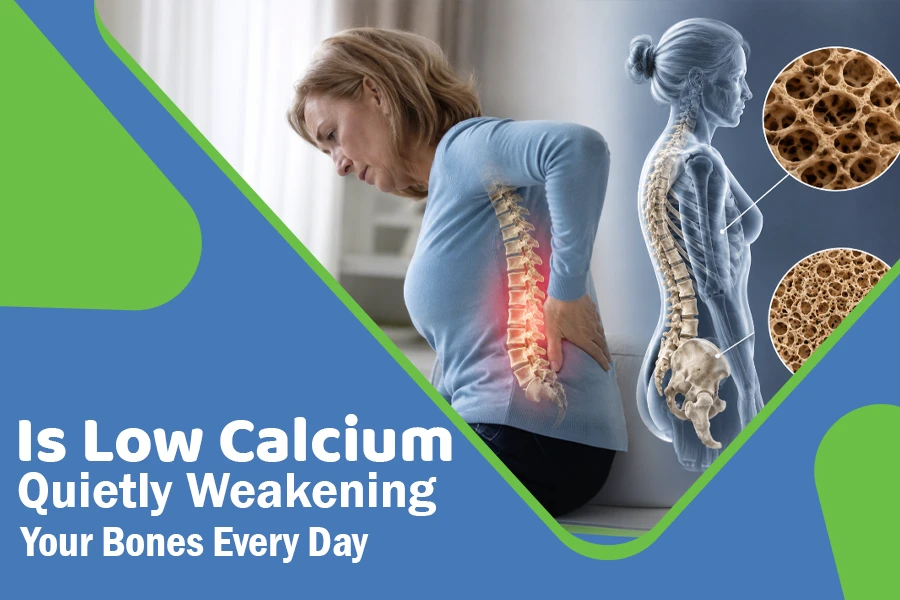
Bones do not bellow for attention when they begin to fail. No pain, no warning; it just creeps up on you and makes you much weaker than you ever imagined. It’s common weakening your bones over a period of years due to inadequate calcium consumption, and when symptoms are seen, there can be considerable bone erosion. You should know what the facts are about how calcium deficiency stealthily weakens the bones and how widespread it is in the world; this is the first step to safeguarding your bones before they are irretrievably damaged.
A Global Problem Hiding in Plain Sight
Low calcium-habitually associated health problems are much more common than people think and can range significantly from one region to another. Worldwide, it is estimated that approximately 18.3% of people suffer from osteoporosis, 24.3% of whom live in Asia, 16.7% in Europe, and 11.5% in the Americas. The Calcium & Bone Health Institute estimates that approximately 28 million Americans are impacted, including approximately 10 million who have osteoporosis and 18 million who have low bone mass, and that women far outnumber men, with approximately eight million women affected compared to two million men.
This is even more dramatic in the Middle East, where the osteoporosis incidence is estimated at 24.4% and Saudi Arabia has some of the highest osteoporosis rates in the world. A study at a hospital in Saudi Arabia determined that osteoporosis prevalence is as high as 64% of postmenopausal women and 58% of men over the age of 50, and this is partly due to extremely low calcium intake, with an average intake of only 445 milligrams per day compared to the recommended target of 1,300 milligrams per day.
Calcium Deficiency Across Different Countries
The incidence of calcium deficiency varies widely by region, diet, and lifestyle. A large multi-center study in Iran revealed that 62.9% of the adult population aged 50 years and older consumed less than the suggested amount of calcium in their diets, particularly women who consumed less than the recommended amount at 75.5% compared to 47.8% of men. A study in a community in Madhesh province in Nepal reported that 39% of older adults in the community had moderate risk and 22.3% had high risk of osteoporosis; females were over five times more likely to be at high risk.
Data from the National health surveys in the United States indicated that inadequate calcium intake was a pervasive problem in older women and that Non-Hispanic Black men living below the poverty line had close to 59% of them with inadequate calcium intake and almost 47% with inadequate vitamin D intake, which could contribute to an elevated relative risk for developing osteoporosis. In India, studies show that about 80% of the population is vitamin D deficient, which is a key factor in calcium absorption and causes hip fractures to happen about 10 years before they do in many western countries.
Weakening Your Bones: Calcium Deficiency Symptoms
Calcium deficiency symptoms are easy to overlook in the early stages since bone loss occurs slowly. Early and common symptoms include muscle cramps, especially in the legs, fatigue, and brittle nails. With more advanced deficiency, some individuals experience numbness or tingling in their fingers, increased dental issues, or an increased risk of relatively minor falls or impacts causing a fracture. These symptoms do often have similar features with other conditions, meaning that many cases of calcium deficiency are not identified until a bone density scan or a fracture is performed and the issue is identified.
A Hidden Role: Weak Bones and Bone Density
Weakening your bones is caused by a process of calcium withdrawal from the bones, which is related to bone density, how much mineral content the bones contain. Peak bone density is usually attained in early adulthood, and then a natural gradual decrease occurs. This decrease continues as calcium is not regularly sufficient, which causes bone destruction and makes them more porous, fragile, and susceptible to fracture. This is a very gradual process and can take years to show symptoms, which is why it’s often referred to as a silent process.
Weakening Your Bones: Why Women Deserves Special Attention
In almost all countries analyzed, Bone weakness in women is observed at much higher levels than in males. An early sign of osteoporosis is the imbalance caused by the drop in estrogen during and after menopause, as estrogen has a protective effect on bone density. This shift in hormones puts postmenopausal women at a special risk of bone loss and fracture due to the often inadequate intake of dietary calcium.
Calcium and Bone Strength
The connection between calcium and bone strength is the cornerstone of bone health. Bone tissue is composed mainly of calcium. Why are you feeling weakening your bones? If calcium is not taken in sufficient amounts from the diet, the body mobilizes calcium from the skeleton, leaving it weakened and gradually weakening the skeleton. Maintaining an adequate level of intake with enough vitamin D to help absorb the calcium and phosphorus is one of the best ways to maintain long-term bone strength.
Identification of Early Signs of Osteoporosis
The best long-term bone health measure a person can take is to identify the early signs of osteoporosis before a major fracture occurs. Symptoms are subtle and include a gradual loss in height over time, a slightly hunched posture, and lower back pain associated with spinal compression that is weakening your bones. These break with relatively minor falls. These early signs of osteoporosis, together with regular bone density screening for higher-risk individuals, are important steps in early detection of the condition before damage is done, since osteoporosis is often referred to as the silent disease.
Approaches to Osteoporosis Prevention
Osteoporosis prevention generally involves getting enough calcium and vitamin D in your diet, engaging in weight-bearing exercise, and avoiding risk factors such as smoking and excessive alcohol consumption. If you’ve already been diagnosed with advanced bone loss or you have a high fracture risk, lifestyle changes alone may not be enough, and, going forward, medical treatment can play an important role in maintaining healthy bones.
Zoledronic Acid: Treatment Solution
Are you weakening your bones? Healthcare providers recommend Osteomet Injection or Zoldro 4 mg Injection for people who are suffering from osteoporosis or fractures. Zoledronic acid is a strong pharmaceutical drug, and treatment should only be recommended by a healthcare provider who will check kidney function, the amount of calcium and vitamin D in the blood, and the condition of the bones. Treatment usually involves patients taking care to get enough calcium and vitamin D around the time of the treatment, and healthcare providers will check for side effects during and after treatment. This is usually reserved for patients who have already diagnosed osteoporosis or high fracture risk, not as a first-line treatment or prevention for patients who have only mild calcium deficiency.
Summing Up: Building a Long-Term Strategy for Healthy Bones
What the global data clearly shows is that a low calcium sign is a very common factor for weakening your bones in the world, with varying levels and different risk factors in different countries. Long-term maintenance of healthy bones is a combination of regular exercise, proper nutrition, and regular checks for those who are at higher risk, such as women of postmenopausal age and older. If calcium deficiency is weakening your bones or lowering bone density, then making use of a healthcare provider to establish if treatment, such as Zoledronic Acid, is suitable can help to lower the risk of fracture and maintain mobility and independence later in life.
FAQ’s
1. How common is calcium deficiency worldwide?
It is very common, calcium deficiency worldwide. There are substantial differences between countries, with the prevalence of inadequate calcium intake estimated to be approximately 63% among older adults in Iran and very low intake reported in other parts of the Middle East, with average intakes significantly lower than the recommended levels.
2. Why are women more affected by weak bones than men?
Women are more affected by weak bones than men because women’s drop in estrogen levels at the time of, and after, menopause is one of the main reasons why osteoporosis is much more common in older women than in older men around the world.
3. When do your bones start to weaken?
Your bones start to weaken when symptoms (muscle cramps, fatigue, progressive loss of height, and fractures) occur more easily than expected. But many people don’t notice anything until bone loss is more substantial.
4. How does Zoledronic Acid work?
Zoledronic acid is a type of drug called a bisphosphonate, which inhibits bone-destroying cells and helps bone density maintain or even increase over time as the treatment is continued. It’s usually given as one infusion into the vein every year to help treat osteoporosis and can be an easier option for people who have trouble taking other oral medications every day or week.
5. Can osteoporosis be prevented through diet alone?
No, osteoporosis can not be prevented through diet alone. There may be a need for medical treatment beyond dietary changes (such as calcium reach foods/drinks).



Leave a Reply