
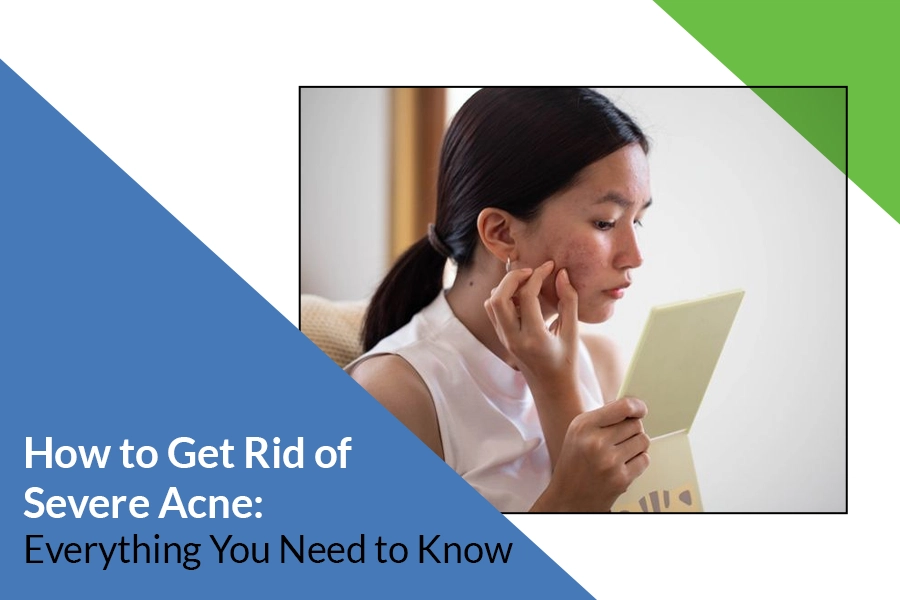
Nowadays, most of the people are facing problems with severe acne, and it affects more than your appearance. Some everyday activities are uncomfortable while increasing the risk of permanent acne scars, such as deep, painful pimples, inflamed nodules, and cysts. Some of the severe acne cases can impact self-esteem, emotional well-being, and confidence. Do not be disgraced by it but try to get help from a dermatologist rather than using over-the-counter products. However, it is also important to know how to treat acne because mild acne can improve with medications and skincare changes, but severe acne requires a treatment plan that can be given by a dermatologist. Sometimes early treatment can reduce the risk of long-term skin damage and improve skin. For those people dealing with severe acne, a dermatologist may provide medications such as Saferet 30 mg. Its active ingredient is isotretinoin, which helps with severe acne, but it should always be used under medical supervision.
What is Severe Acne?
If you have acne, know that you’re not alone. Acne is the most common skin condition that people experience. An estimated 80% of people ages 11 to 30 will have at least a mild form of acne. It often starts at puberty. Hormonal changes trigger the oil glands in the skin to produce too much sebum. During puberty, the androgen hormones, such as testosterone, increase. These hormones stimulate the sebaceous glands in the skin to produce more oil. Skin bacteria then feed on this extra oil and cause the redness and irritation associated with pimples.
Severe acne is categorized by numerous papules, pustules, nodules and cysts. The acne that appears on different parts of the body such as the face, chest, and back is known as severe acne. It can also appear near the jawline and neck. Severe acne causes breakouts that often extend deep into the skin and are called cysts and nodules; these breakouts tend to be painful. When severe acne clears, acne scars often appear. You may also see many blackheads, whiteheads, or both when acne is severe. Anyone who has severe acne knows how stubborn it can be. You cannot clear it with acne treatment that you buy at the store. To see the clearing, you either have to wait it out or see a dermatologist. Waiting out severe acne can take years.
What are the types of Acne?
There are different types of acne such as cystic acne, fungal acne (pityrosporum folliculitis), nodular acne, and hormonal acne.
Cystic acne can cause pus-filled pimples and nodules.
Fungal acne occurs when yeast builds up in your hair follicles.
Nodular acne is a serious type of acne. This can cause pimples to form on the skin.
Hormonal acne affects adults who have an overproduction of sebum that clogs their pores.
All of these forms of acne can affect your self-esteem, and both cystic and nodular acne can lead to permanent skin damage in the form of scarring. It’s best to seek help from a healthcare provider early so they can determine the best treatment option, such as Saferet 30 mg for you.
Symptoms of Severe Acne
Acne signs vary depending on the severity of your condition:
Whiteheads (closed plugged pores)
Blackheads (open plugged pores)
Small red, tender bumps (papules)
Pimples (pustules), which are papules with pus at their tips
Large, solid, painful lumps under the skin (nodules)
Painful, pus-filled lumps under the skin (cystic lesions)
Acne usually appears on the face, forehead, chest, upper back, and shoulders.
Causes of Severe Acne
Four main factors that cause acne are:
Excess oil (sebum) production
Hair follicles clogged by oil and dead skin cells
Bacteria
Inflammation
Acne typically appears on your face, forehead, chest, upper back, and shoulders because these areas of skin have the most oil (sebaceous) glands. Hair follicles are connected to oil glands. The follicle wall may bulge and produce a whitehead. Or the plug may be open to the surface and darken, causing a blackhead. A blackhead may look like dirt stuck in pores. But actually the pore is congested with bacteria and oil, which turns brown when it’s exposed to the air.
Pimples are raised red spots with a white center that develop when blocked hair follicles become inflamed or infected with bacteria. Blockages and inflammation deep inside hair follicles produce cystlike lumps beneath the surface of your skin. Other pores in your skin, which are the openings of the sweat glands, aren’t usually involved in acne.
Certain things may trigger or worsen acne:
Hormonal changes at midlife, particularly in women, can also trigger breakouts. Androgens are the hormones that increase in boys and girls at puberty and make the sebaceous glands larger and produce more sebum. Hormone changes during midlife, particularly in women, can lead to breakouts too.
Examples include drugs containing corticosteroids, testosterone, or lithium.
Studies indicate that consuming certain foods, including carbohydrate-rich foods, such as bread, bagels, and chips, may worsen acne. Further study is needed to examine whether people with acne would benefit from following specific dietary restrictions.
Stress doesn’t cause acne, but if you have acne already, stress may make it worse.
How can severe acne be treated?
For those who are facing severe acne, a dermatologist often recommends treating it with one of the following.
Antibiotic + acne topical medication: Often the first treatment for severe acne. Taking an antibiotic can reduce the redness and swelling of acne. The medicine you apply to your skin works on reducing bacteria and clogged pores. If this treatment fails to clear your skin, your dermatologist may switch your antibiotic or talk with you about isotretinoin.
Isotretinoin is a medicine that attacks all four causes of acne: bacteria, clogged pores, excess oil, and inflammation (redness and swelling). About 85% of patients see permanent clearing after one course of isotretinoin. Due to possible side effects, you will need to carefully consider whether you want to take this medicine. If you decide to take isotretinoin, you must enroll in a monitoring program.
Birth control pill (females only): A birth control pill can be an effective part of an acne treatment plan. When treating severe acne, a birth control pill may be used along with an antibiotic or a medicine called spironolactone to get the acne under control.
How much time does isotretinoin take to work?
It usually starts reducing oil production within 7 to 10 days, but the proper acne improvement takes 1 to 2 months. The complete clearance of severe breakouts generally requires a standard 4 to 6 month course of treatment. In weeks 1 to 4, the isotretinoin medication begins shrinking your oil glands. During this time, your skin and lips will feel very dry, and you may have an initial “purge,” a temporary flare-up of pimples. In 2 to 3 months, 50 % of acne typically disappears as the skin renews itself, and during 4 to 6 months, the majority of individuals see substantial long-lasting clearance of their acne.
Conclusion
It is important to know that severe acne can be effectively managed with the right treatment, and it should be on time. Taking advice from a dermatologist early can reduce the risk of permanent acne. Maintaining a gentle skincare routine and healthy lifestyle, and also following the advice of your healthcare professional, can also give the best possible result. Individuals with severe acne that has not responded to other therapies then the dermatologist may be prescribed Saferet 30 mg tablet (containing oral isotretinoin) medication. This medication can only be taken under medical supervision. It can reduce severe acne and support your skin for improvement.
FAQ’s
1. What is mild and severe acne?
Mild acne usually consists of only blackheads and surface pimples. Severe acne is made up of deep painful cysts and nodules.
2. How to treat severe acne without any medicine?
Sometimes in mild cases it may improve with skincare changes, but severe acne needs a dermatologist treatment plan.
3. Can severe acne always leave scars?
It might be, but the risk is higher with cystic or nodular acne; however, it is left untreated for a long time.
4. Does severe acne need professional treatment?
But severe acne can run deeper into the skin and can damage skin as well. Sometimes it doesn’t respond well to over-the-counter products alone.
5. Will my acne get worse at first taking the Saferet 30 mg medication?
Sometimes it might be because some people experience worse before it starts to get better. So keep taking the Saferet 30 mg medication for a few weeks to see clear results.

Leave a Reply