
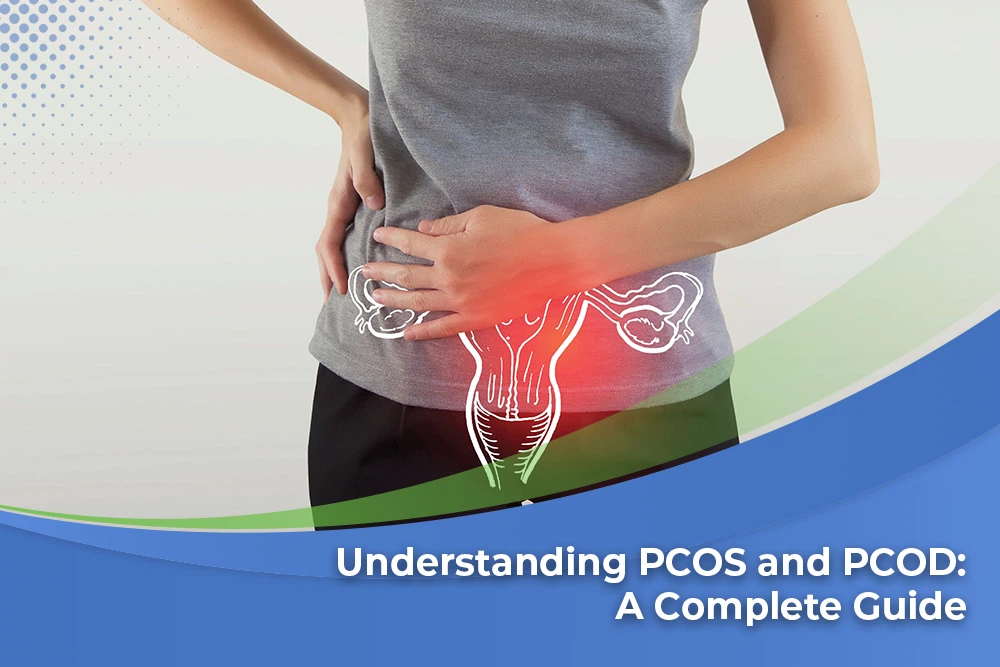
A lot of women’s health stuff gets turned into this big confusing jumble, and PCOS and PCOD are one of the main ones. People use those terms like they mean the same thing, sometimes even during the same clinic talk, but they really point out conditions that are not identical in a few important ways. Both involve the ovaries and hormone patterns, both can mess with periods, and both are way more common than most people suspect. This blog tries to clarify what each term means, how they differ, and what you can realistically do.
What Is PCOS?
Polycystic ovary syndrome, or PCOS, is basically a metabolic and hormonal problem. With PCOS, women often show higher androgen levels (sort of “male-type” hormones), ovulation can be irregular or stop, and insulin resistance is common too. On ultrasound, the ovaries might look like they have multiple small follicles that never really got to the right stage, and people call that appearance “cysts”, but they are not the true cyst type.
Also, since it is a syndrome, PCOS doesn’t stay only in the reproductive area. It can affect blood sugar control, cholesterol, skin issues, hair changes, mood, and long-term cardiovascular risk, like heart health down the line.
What Is PCOD?
Polycystic ovarian disease, PCOD, is described more like a scenario where the ovaries release a bunch of eggs that are immature or only partially mature, and those can become small fluid-filled follicles. Many people consider PCOD to be milder, and a good number of women with PCOD can still ovulate and conceive, sometimes with less medical help.
PCOS vs PCOD: What Is the Difference?
PCOS or PCOD which is worse? PCOS is treated as a serious health condition because of its higher risk of type 2 diabetes, heart disease, and fertility challenges. Another question that shows up a lot is whether PCOD can turn into PCOS. They are not the same thing on a neat, sliding scale, but untreated PCOD (especially when insulin resistance continues, weight gain builds up, and hormone imbalance keeps going) may gradually shift toward PCOS features over time. That’s a big reason to take symptoms seriously earlier rather than waiting. Also, in the real medical practice of PCOS and PCOD, the terms can be used a bit loosely, so the diagnosis often leans on your symptoms and the test results you get.
Common Symptoms of PCOS and PCOD
Early symptoms of PCOS and early symptoms of PCOD overlap quite a bit. You might notice:
- Irregular, late, or missed periods
- More hair growth on the face, chest, or abdomen (hirsutism)
- Hair thinning on the scalp
- Oily skin and ongoing breakouts
- Darkened skin patches around the neck or underarms
- Trouble conceiving
PCOS weight gain is especially noticeable. Insulin resistance tends to make it easier to store fat, often around the abdomen, and harder to lose it. PCOS acne is another common hallmark, and it often shows up along the jawline, chin, and lower face. It can be stubborn, because excess androgens are pushing it from within. Early symptoms of PCOD can feel lighter, like slightly irregular cycles, mild weight changes, and occasional acne.
What Causes PCOS and PCOD?
The causes of PCOS and causes of PCOD are not fully nailed down, but several pieces seem to matter. Insulin resistance is a major driver: higher insulin pushes the ovaries to produce more androgens. Genetics also plays a role, because it can run in families. Low-grade chronic inflammation also shows up as a possible contributor, in a slow way.
PCOD tends to connect more with lifestyle and environment. Being sedentary, diets high in refined sugar and processed food, chronic stress, obesity, and poor sleep can all nudge the hormonal system out of balance, particularly for women who already have a genetic tendency.
How Are PCOS and PCOD Diagnosed?
There is no single test that “proves” it. Healthcare providers often diagnose PCOS with the Rotterdam criteria, which generally means at least 2 out of 3 features: irregular or absent ovulation, signs of high androgens (from symptoms and blood tests), and polycystic ovaries on ultrasound. Usually, evaluation of PCOS and PCOD can include a pelvic ultrasound, hormone labs (LH, FSH, testosterone, prolactin, and thyroid), fasting glucose, an oral glucose tolerance test, and a lipid profile. Thyroid disorders or other conditions often need to be ruled out first.
PCOS and PCOD treatment options like Anti-androgen medicines like spironolactone, are sometimes used for hirsutism and acne, while ovulation-inducing options such as letrozole or clomiphene can help women who want to conceive. But all of these require proper monitoring, so please avoid self-medicating.
Lifestyle Changes for PCOS Management and PCOD Management
Even a modest weight loss, like 5 to 10 percent, can help bring ovulation back for many women. Try for about 150 minutes of moderate movement each week, and mix cardio with strength training too. Also don’t underplay sleep; seven to nine hours is the target, because poor sleep often makes insulin resistance worse, and stress tends to push cortisol higher. So practices like yoga, walking, or meditation can be a small but real lifeline for PCOS and PCOD.
PCOS Diet and Nutrition
A PCOS diet doesn’t have to be intense or punishing. Lean toward low-glycemic carbs such as oats, millets, legumes, and whole grains, then pair that with enough protein and healthy fats. Think nuts, seeds, fish, and olive oil. Try filling about half your plate with vegetables, and keep sugary drinks, refined flour, and ultra-processed snacks more limited.
PCOS, PCOD, and Fertility
In the case of PCOS and pregnancy, many people conceive naturally, and others go on to succeed with ovulation induction, lifestyle tweaks, or assisted reproduction. Women with PCOS also face higher odds of gestational diabetes, high blood pressure, and preterm birth, so close prenatal monitoring really matters.
PCOD and pregnancy are typically more manageable because ovulation often keeps going, even if it’s irregular. Weight management and cycle tracking often improve the chances of conception. If you have been trying for six to twelve months with no success, then it’s reasonable to see a fertility specialist.
Can PCOS and PCOD Be Managed Long Term?
Can PCOS be cured? Right now, no. It’s chronic, but symptoms can be controlled in a very effective way. Can PCOD be cured? Technically it’s managed more than cured, though many women notice their symptoms mostly fade when lifestyle changes are consistent. With ongoing care, most women still end up living healthy, full lives. Ongoing screening for diabetes, cholesterol, and blood pressure is smart for PCOS and PCOD, because long-term risks are real but mostly preventable if you stay on top of things.
When Should You See a Doctor?
Get medical advice if your periods are irregular or missing for three months or more, if you notice fast new hair growth or hair loss, if acne is severe enough to cause scarring, if weight gain seems unexplained, or if you’ve been trying to conceive without any luck. Early evaluation of PCOS and PCOD usually means simpler treatment and better long-term results.
Summing UP
PCOS and PCOD share a lot, but PCOS is generally the bigger, more metabolically impactful condition. PCOD is usually milder and more responsive to lifestyle change. Neither one has to be treated like a life sentence. With early recognition, a correct diagnosis, balanced nutrition, regular movement, and the right medical support, hormonal balance can improve, and your future health can be protected.
Frequently Asked Questions
1. PCOS or PCOD which is worse?
PCOS is considered more serious compared to PCOD. The reason is that this impacts your body’s metabolism. This increases the risk of heart disease and diabetes.
2. Can PCOD turn into PCOS?
Yes, it can be. If you are suffering with hormonal imbalance and insulin issues, then PCOD can turn into PCOS.
3. Can PCOS be cured permanently?
No, it cannot. But symptoms are manageable by adopting a proper diet plan, medication, and exercises.
4. Can you get pregnant with PCOS and PCOD or any one of them?
Yes, you can. But you need special medical precautions that always stay under the healthcare provider to monitor.
5. What are the first signs to watch for?
The first sign is irregular periods. Moreover, your face has acne breakouts and unwanted facial hair. Your hair becomes thin, and you gain weight unexpectedly.



Leave a Reply