
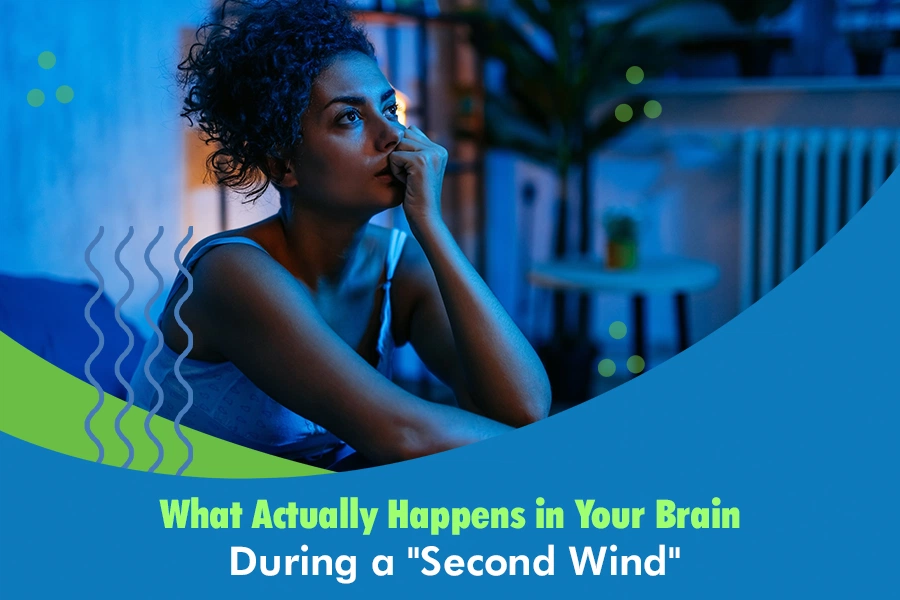
Ever been completely exhausted after a long day and then suddenly alert and energized later in the day? You’re about to fall back into bed one minute and cleaning out your room, answering emails, and even feeling like you have a huge burst of energy the next. This is known as a ‘second wind’.
Many people feel that it is a bizarre experience of energy. However, they are not sure whether it is their psychological thoughts or complex brain functions. The reality is that your brain and body are highly structured, organized biological systems that regulate energy, alertness, sleep, and focus. No, a second wind is not chance. The body is physiologically changing; the brain chemistry, hormones, and internal rhythms are changing.
This blog is going to analyse the second wind of the human brain and why some people experience this at odd times. This blog will also explain the role of Artvigil 150mg regarding alertness and cognitive performance.
The Mystery Behind Your Sudden Energy Boost
The word “second wind” refers to the second period of energy as well as alertness by following exhaustion/fatigue. Mainly, athletes are facing this type of issue during the long training season. Besides this, students face this issue during exam times, late-night study, and competitive exam preparation. Many employees/staff/labour face a second wind after long days’ work without getting/taking rest.
The first symptom of this issue is fatigue. It is an accumulation of fatigue signals in the human brain. Your body starts to promote sleep with chemicals and biological signals. But in certain cases, the body suddenly gears up and produces a sudden burst of energy.

This doesn’t necessarily mean your body has recovered from fatigue. Instead, your brain temporarily alters its response to the signals for wakefulness.
Researchers in the field of second wind energy suppose that several biological systems are responsible for this experience.
Your Circadian Rhythm Is Working Behind the Scenes!
Circadian rhythm is one of the most important of the factors in a nighttime energy surge.
The circadian rhythm is your body’s clock. It regulates some functions, such as:
- Sleep cycles
- Hormone release
- Body temperature
- Mental alertness
- Energy levels
The majority of people have natural highs and lows of alertness throughout the day. Typical: energy loss in the afternoon. Many people, however, will have a second short peak of alertness later in the evening.
This is like that “late night energy” that just shows up out of nowhere.
The brain does not necessarily affect new energy. Rather, it’s changing chemical signals that relate to your sense of alertness.
Meet the Brain Chemicals Behind the Second Wind
Dopamine: The Motivation Messenger
Dopamine is a key driver of reward and motivation. Dopamine activity is likely to be greater at higher levels:
- Focus
- Motivation
- Mental drive
- Alertness
A change in the activity of dopamine can suddenly make people more capable and energised.
Orexin: The Wakefulness Controller
Orexin (hypocretin) is a regulator of wakefulness. Low levels of orexin are associated with more sleepiness, and high activity with staying awake and alert. Researchers think that orexin systems play a large role in the feeling of “second wind”.
Cortisol: The Stress and Energy Hormone
Cortisol is also referred to as the stress hormone, but it can also control energy. Minor changes in cortisol can cause a slight elevation in alertness and sudden bursts of energy.
Adenosine: The Fatigue Builder
Adenosine builds up in the brain during the day as you stay awake. As the concentration of adenosine increases, there will be a greater urge to sleep. This fatigue build-up can be overcome temporarily by wake-promoting signals, leading to a second wind.
Why Late Night Energy Feels So Powerful
Many people have a lot of energy towards the end of the night, even though they are very tired earlier on. There may be many contributing factors:
- Some people delay their sleep timing. Night owls have an energy high during the evening.
- Your mental stimulation increases energy. Enjoying engaging material, connecting with others, playing games, or working really hard can stimulate the brain and make one more alert.
- Artificial light exposure impact on sleep. Your phone’s light tablet/computers’ screen light make disturbance in your sleep.
- At night, exposure to light affects the release of melatonin. This leads to a second wind at night.
- Deadlines increase stress in professional and academic life. Sometimes, this raises alertness due to tight deadline pressure.
- Second, wind energy affects students during their exam time.
The Athletic Version of a Second Wind
Athletes face this during long exercise days. These raise various health issues after long physical activity.
- Muscle fatigue
- Energy depletion
- Breathing issues
Athletes need rest between various physical activities or exercise. These help to circulate oxygen in their body and brain well. However, mental and physical second winds are different. But both have a common factor, which is biological adjustment. These boost performance temporarily.
Can Sleep Deprivation Create a Second Wind?
Ironically, insomnia can sometimes be a factor in a “second wind.” Extended hours of wakefulness can trigger “Survival Mode” alert systems in the brain. This can temporarily be achieved by creating:
- Increased focus
- Restlessness
- Unexpected productivity
- Elevated mental activity
This effect can be deceiving, though.
People may have impaired reaction time, memory, and decision-making even when they feel more awake. Energeticness does not necessarily translate to providing optimal brain function.
Role of Artvigil 150mg regarding Wakefulness
The active ingredient in Artvigil 150mg is armodafinil, a stimulant drug prescribed to help people stay awake at specific times when they have sleep-related disorders, under a doctor’s supervision. This medication helps to improve brain activity. Armodafinil affects neurotransmitter systems, which are:
- Alertness
- Attention
- Cognitive function
- Regulate wakefulness
These are known as wakefulness-promoting tablets. This works differently in our brain compared to other drugs. This stimulates your brain. Artvigil 150mg should not be used as a sleeping pill. This is only prescribed to fight against second wind, fatigue, sleepiness during the daytime, and brain tiredness. Always take this medication after consulting with your doctor or another professional healthcare provider.
Why Your Brain Cannot Run on Second Winds Forever?
Second wind is OK!! But it does not satisfy your body’s needs. Repeat the creation of the second wind, delivering a negative impact on your body. The issues are:
- Poor concentration
- Fail to remember
- Short-term memory loss
- Mood swing
- Reduce productivity
- Increase stress
A break is important for the human body. The sensation of second wind energy is more like a reserve mode, rather than a continuous source of energy.
Fatigue and tachycardia along with moderate exercise and fluctuations in exercise capacity and in cardiopulmonary responses that are characteristic of the second wind phenomenon. These are consequences of substrate-limited oxidative phosphorylation. Glycogen-derived pyruvate is required to fuel maximal rates of muscle oxidative phosphorylation as well as to buffer oxidative metabolism during fluctuations in the availability of extramuscular fuels (especially in the transition from rest to exercise).
How to Work With Your Brain Instead of Against It?
Instead of simply waiting for the energy to pass, try to align with the energy that is happening during the night. Healthy approaches are:
- Make a fixed time for sleeping
- Take 7 hours of quality sleep
- Quality sleep helps to regulate blood and oxygen circulation well
- Reduce screen time before going to bed
- Low screen light while using tablets/laptops/computers/mobiles
- Do 30 min of physical exercise daily
- Manage stress levels
- Chronic stress can be minimized to help stabilize energy fluctuations.
- Be aware of energy patterns.
- Monitor your own energy level.
Some individuals are morning people, and others are night owls. You should know when to work and when to rest can help you to work more efficiently.
Final Thoughts
A second wind might sound like the dark secret of the mind, but the brain is actually balancing neurotransmitters, hormones, circadian rhythms, and wakefulness systems. An energy surge at night, late-night energy, or a sudden energy burst is not a coincidence! This reflects biological signals and stimulates the brain to develop alertness in the mind. Artvigil 150mg is prescribed to manage your sleepiness and fatigue. When your brain starts producing a second wind after a long time of fatigue, remember that magic is not happening, it’s just uncovering the magic of science.
Explore Modafinil products in:
Modafinil In UK, Modafinil In Germany, Modafinil In Europe, Modafinil In Australia
Frequently Asked Questions
- Does the second wind come at night?
Your body gives you a natural window of sleepiness. If you push past it by working, scrolling, or watching TV, then your brain can flip back into alert mode. Moreover, artificial lights delay melatonin release. Thus, the second wind comes at night.
- If a second wind happens in my body, then am I tired or not?
A second wind does not create long-term energy in your body. If your body is highly exhausted, then you feel low tiredness during the second wind. This helps to deliver temporary energy to complete your work. But you need sleep and recuperation to get rid of tiredness.
- What will happen if you don’t get enough sleep?
Yes. Sometimes, sleep loss is associated with temporary activation of alerting mechanisms that produce a sudden burst of energy, but cognitive functions are impaired.
- Is Artvigil 150mg a substitute for sleep?
No. Artvigil 150mg is a wakefulness-promoting agent used to treat narcolepsy, shift work sleep disorder, and obstructive sleep apnea in general. This medicine will help you to feel more alert and stay awake.
Leave a Reply