

Most people only think about histamine when allergy season hits, or when they pop an antihistamine and feel weirdly drowsy an hour later. That drowsiness isn’t random. It’s actually a pretty direct clue about what histamine does in the brain when it’s not busy dealing with pollen. There’s this whole other job it has, tucked away in a small cluster of neurons, that’s basically about keeping the brain switched on.
Outside the brain, histamine gets a bad reputation for itching, swelling, that puffy-eyed feeling. Inside the brain, though, it’s doing something closer to the opposite. It’s one of the chemical signals the brain leans on for alertness, to stay awake, to keep attention from drifting off into fog. And honestly the research on this has been building for decades, though it doesn’t get talked about nearly as much as serotonin or dopamine.
Where Brain Histamine Comes From?
There’s a region called the tuberomammillary nucleus, sitting in the posterior hypothalamus. Small area, not much to look at, but it’s the only place in the brain that makes histamine. Every histamine-producing neuron in the central nervous system traces back to this one spot. From there, projections fan out across huge parts of the brain like cortex, thalamus, basal forebrain, even down into the brainstem.
What’s interesting is these neurons don’t fire randomly. They’re basically state-dependent. Wide awake and alert? They’re firing away. Drowsy or drifting toward sleep? Activity drops. Deep sleep, REM sleep? Almost silent. It’s one of the cleanest examples in neuroscience of a neurotransmitter system that tracks arousal state so tightly you could almost use it as a readout for how awake someone is, at least in animal studies anyway.
This is really the foundation for the role of histamine in wakefulness and alertness; the firing pattern lines up with the sleep wake cycle in a way few other systems do.
How The Brain Uses Histamine To Promote Alertness
Histamine gets released and binds to receptors, mainly H1 and H3 (there’s H2 too but that one’s more associated with stomach acid production, different story). The H1 receptors are the ones doing the heavy lifting for wakefulness when histamine binds there, it tends to excite target neurons, nudging the whole cortex toward a more activated, “on” state.
H3 receptors work differently. They’re autoreceptors, meaning they sit on the histamine neurons themselves and act like a dimmer switch when histamine levels get high enough, H3 receptors tell the neuron to ease off, slow down release. Kind of a built-in brake pedal. Researchers have actually gotten interested in H3 receptor antagonists for treating things like excessive daytime sleepiness, because blocking that break lets histamine build up more, and more wakefulness follows.
Histamine neurons don’t work solo; they’re part of a bigger network sometimes called the ascending arousal system, alongside noradrenaline from the locus coeruleus, acetylcholine from a couple of different nuclei, serotonin, orexin/hypocretin. All of these systems sort of lean on each other. Orexin especially seems tightly linked with histamine-orexin neurons projected directly onto the tuberomammillary nucleus and seem to help keep histamine neurons firing during wake. Which is part of why narcolepsy a disorder of orexin loss, also involves disrupted histamine signaling, not that the two are identical systems or anything.
Effects of Histamine on Sleep and Wake Patterns
There’s this almost-too-neat metaphor researchers use a “flip-flop switch” between sleep and wake, where wake-promoting and sleep-promoting circuits mutually inhibit each other so the brain doesn’t sit in some in-between fuzzy state. Histamine sits pretty firmly on the wake side of that switch. When the sleep-promoting VLPO (ventrolateral preoptic nucleus) becomes active, it actively suppresses histamine neurons, along with the other arousal systems, and that’s basically what lets sleep happen at all.
What’s kind of wild is how directly you can see this play out with drugs. First-generation antihistamines such as diphenhydramine, the ingredient in a lot of over-the-counter sleep aids, cross into the brain and block H1 receptors. Block those receptors, and you lose a chunk of that wake-promoting signal, hence the drowsiness. It’s honestly one of the more accidental discoveries in pharmacology; these drugs were made for allergies, and the sedation was a side effect that ended up getting repurposed into sleep medication.
Newer antihistamines (loratadine, cetirizine, that family) are built to not cross the blood-brain barrier as easily, which is why they don’t knock people out the same way. Though cetirizine is a bit of a gray area; some people do report drowsiness from it, more than loratadine anyway, suggesting the barrier isn’t perfectly sealed for every molecule in that class.
How Brain Histamine Affects Sleep and Wakefulness Over a 24-Hour Cycle?
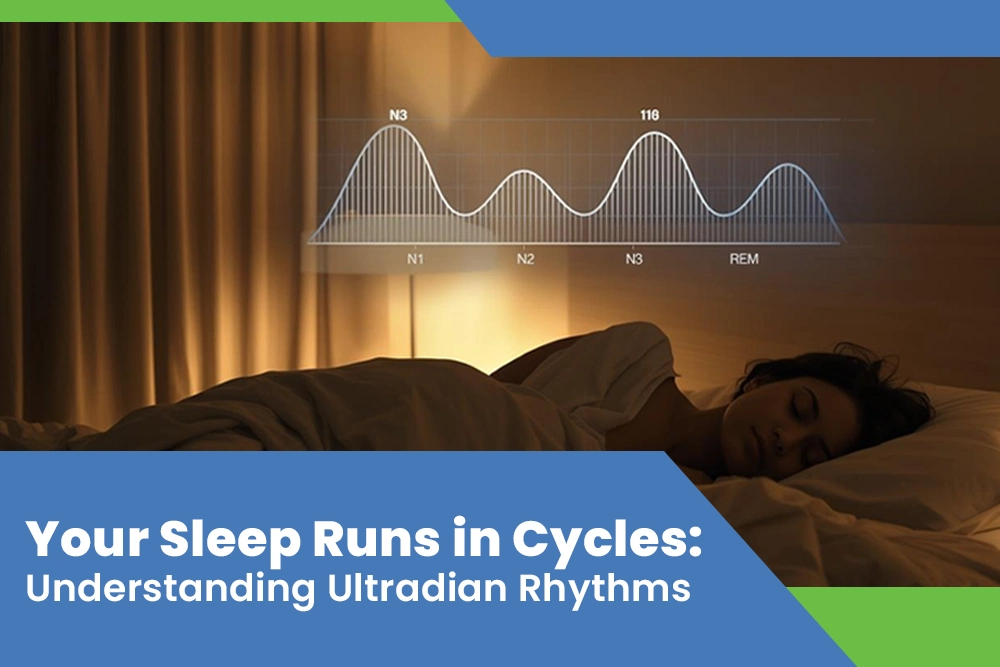
Histamine levels aren’t flat across the day. They tend to rise through the waking hours, peak sometime in the active period, and drop off as sleep approaches. This tracks with circadian signals too; there’s crosstalk between the suprachiasmatic nucleus (the master clock) and the histamine system, though the exact wiring there is still being worked out, honestly, not fully settled science.
Sleep deprivation studies add another layer. Keep an animal awake longer than usual and histamine turnover in the brain increases, like the system is compensating, trying to fight off the growing pressure to sleep. Makes sense from an evolutionary angle; you’d want a backup system pushing alertness when sleep debt is piling up and the environment still demands attention, predators nearby, whatever the scenario.
How Histamine Affects Attention and Concentration?
Alertness and attention aren’t quite the same thing, but they’re heavily linked, and histamine seems to touch both. In the cortex, histamine’s excitatory push helps maintain the kind of tonic activation that attention tasks need. Animal studies blocking H1 receptors show impaired performance on attention and learning tasks; not just sleepier animals, but worse at sustained focus specifically.
There’s also some human-side evidence, though messier, from antihistamine use. People taking sedating antihistamines often report and testing confirms slower reaction times, reduced vigilance, worse performance on cognitive tasks, even when they don’t necessarily feel that sleepy. Which is a little unsettling actually, that subjective sleepiness and actual cognitive impairment don’t always match up.
Relationship Between Histamine and Alertness in Clinical Contexts
Narcolepsy keeps coming up because it’s such a clean, if unfortunate, natural experiment. Loss of orexin neurons leads to reduced histamine neuron activity, and patients experience excessive daytime sleepiness, sudden sleep attacks, disrupted wake maintenance. Treatments targeting H3 receptors to boost histamine release have shown real promise here, not a cure, but meaningful improvement in staying awake during the day.
On the flip side, conditions involving excess histamine or histamine intolerance sometimes get linked (anecdotally, and this part is genuinely less settled) to sleep disruption, though the research connecting peripheral histamine issues to central nervous system histamine activity is thinner than people assume. Worth being cautious about overstating that connection until better studies exist.
A Few Loose Threads Worth Mentioning
The interaction between histamine and other arousal neurotransmitters is more tangled than any single diagram captures, and most of the detailed mechanistic work comes from rodent studies, which don’t always translate perfectly to humans. Still, the broad strokes hold up across species histamine tracks with the wake side of the sleep-wake cycle, promotes alertness through H1 receptor activity, and its blockade produces drowsiness in a way that’s been observed and re-observed for decades.
So next time an antihistamine makes someone drowsy, that’s not some odd side effect disconnected from the drug’s main purpose; it’s a pretty direct window into a system that’s quietly running in the background, keeping the brain tilted toward “awake” for most of the day.
FAQs
1. Does histamine make you sleepy or awake?
Awake, generally. It’s a wake-promoting neurotransmitter in the brain and sedation happens when something blocks its receptors.
2. Why do antihistamines cause drowsiness?
Older antihistamines cross into the brain and block H1 receptors, cutting the wake-promoting signal histamine normally provides.
3. Where in the brain is histamine produced?
Only in the tuberomammillary nucleus, a small area in the posterior hypothalamus, though it projects widely from there.
4. Is histamine linked to attention and focus?
Yes, it appears to support sustained attention and reaction speed, separate from just keeping someone technically awake.
5. Can boosting histamine treat sleep disorders like narcolepsy?
Some treatments targeting H3 receptors to increase histamine release have shown benefit for excessive daytime sleepiness in narcolepsy.
Leave a Reply