
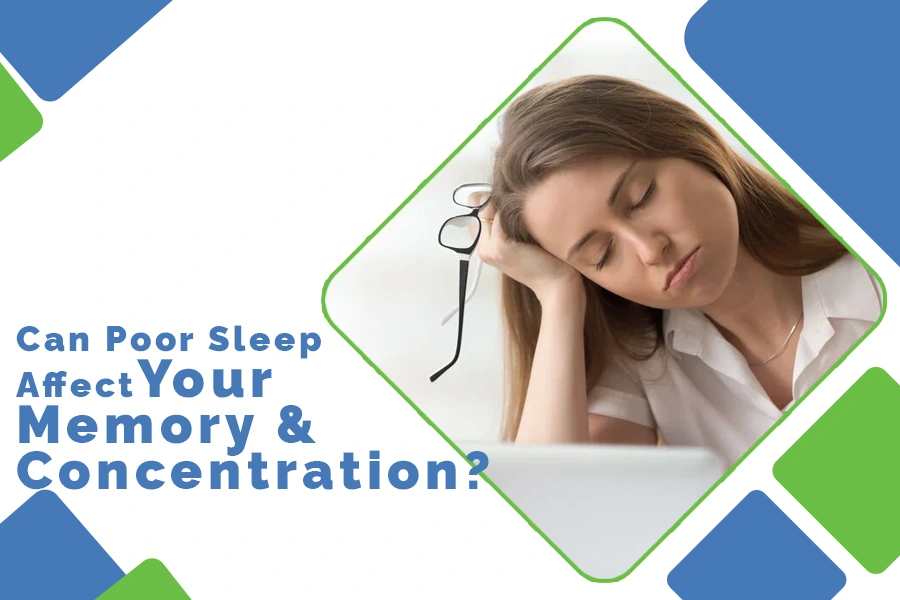
You know that vibe right, where you had a rough night, and then by mid-morning you’re rereading the same email like 3 times, because none of it feels like it really sticks? Poor sleep doesn’t just leave you sleepy or groggy. It can mess up how your brain does its thing, like storing what you learned, holding focus, and even processing what’s happening around you. And it’s not only “I’m tired” stuff. Sleep and thinking power have this very real biological link that hits memory, attention, and mental clarity in ways researchers can actually measure, not just in your imagination.
The Brain’s Nightly Filing System
You have to identify how lack of sleep affects memory. It helps to imagine the brain as doing this overnight filing ritual while you’re out cold. In deep sleep and REM, the brain sifts through the day’s experiences, strengthening the connections tied to the most relevant bits and tossing the rest aside. People call this memory consolidation, and it’s basically how sleep loss impacts short term memory and long-term memories. But when sleep gets cut short, or it keeps getting interrupted, that whole “filing” routine never completes. That’s a big reason poor sleep shows up so clearly as short-term memory problems, because information that would’ve landed more securely instead stays wobbly, like it’s ready to fall out of your head.
Does Lack of Sleep Cause Memory Problems?
This is one of those questions everyone asks sooner or later, especially when you start forgetting names, appointments, or where you left your keys more often than usual. Is it true that lack of sleep causes memory problems? The research points to yes, and it’s not limited to one single kind of memory. When sleep is insufficient, both encoding new information and later recalling it get impaired. Even one bad night can lower performance on memory-related tasks, but when poor sleep starts repeating like a habit, those lapses often show up more frequently. They can feel unavoidable in day-to-day life, from work tasks to casual conversations where you swear you knew the answer a second ago.
Why Focus Feels So Hard to Hold Onto
People should know how poor sleep affects concentration. Poor sleep affects it in a way that feels pretty immediate, not just later when you try to study or whatever. Sustained attention needs the prefrontal cortex, that brain area involved with planning, decisions, and staying on task. When you don’t sleep enough, activity and efficiency drop in that region, so focusing on a single thing without drifting becomes harder. Now you learn how sleep deprivation affects concentration? This is also why “simple” tasks can feel mentally exhausting all of a sudden. Basically, your brain is working overtime just to maintain a baseline level of focus, which would normally feel way easier after a full night of real rest.
The Fog That Rolls In After a Rough Night
Lots of people describe it as brain fog caused by lack of sleep, and yeah, it is right. Everything feels mentally cloudy, slowed down, and like clear thinking is slightly out of reach. But it’s not only a personal feeling. It actually shows up as changes in how efficiently neurons communicate when the brain hasn’t gotten enough rest. Processing speed slows down, decisions feel less accurate, and even basic problem-solving can turn into something that requires more effort than it should. That’s also why you feel mentally tired after poor sleep because fragmented or low-quality sleep stops the brain from finishing the restorative steps it needs. So even if you were in bed for a while, the result can still be rough.
It’s Not Just About How Long You Sleep
Totally fair point though: how long you sleep matters, but how sleep quality affects cognitive function can be just as important and honestly often gets ignored. Someone can spend eight hours in bed but still wake up with cognitive problems if they had frequent awakenings, restless tossing and turning, or shallow, lighter sleep the whole time. In some ways, poor sleep can resemble the outcome of simply sleeping too few hours. The reason is deep sleep and the REM stage. Those are the periods most tied to memory consolidation and cognitive restoration. They need uninterrupted stretches to happen properly. When sleep is broken up, the cycle gets disrupted again and again across the night. So the total hours on paper don’t always tell you how rested and mentally sharp someone will actually feel the next day.
The Long-Term Cost of Chronic Poor Sleep Debt
An occasional bad night probably isn’t going to do lasting damage, but chronic poor sleep is different, more serious for cognitive health over time. Ongoing sleep deprivation has been associated with faster cognitive decline, higher chances of mood disorders that can make concentration issues worse, and a growing range of research linking chronic sleep loss with long-term brain well-being. That includes the clearance of metabolic waste products from the brain, which largely happens during deep sleep. So it’s not just “one is bigger than the other.” Occasional rough nights and chronic sleep deprivation may carry meaningfully different consequences for long-term cognitive function. That’s why consistent, quality sleep is worth treating like a priority, not something you can shrug off as optional.
Building the Habits That Protect Your Mind
So, when you start to understand how consistent sleep supports memory and focus, it sort of naturally makes you ask what you can do, like right now about it. Keeping a consistent sleep and wake schedule, even on those weekend days when it’s tempting to “catch up,” tends to help your body lock into its own circadian rhythm. That way both falling asleep and waking up feel a bit more familiar, and yes, more restorative over time. Also, cutting down screen time in the hour before bed can reduce blue light messing with melatonin. Then the transition into deeper sleep tends to feel smoother once the lights finally go out.
And don’t underestimate the room vibe either; making your sleep space cool, dark, and quiet, all of it, helps reduce the kind of fragmented sleep that can erode memory consolidation even if you technically spend enough time in bed. Then there’s caffeine too; reducing it in the afternoon and evening helps, and managing stress with relaxation methods or just a calming pre-bed routine can support uninterrupted, high-quality sleep. That gives the brain room to finish its overnight cognitive upkeep, with less interference.
Final Thoughts: A Clearer Mind Starts With Better Rest
The link between sleep and cognitive performance is one of the most obvious examples of how a single habit can ripple out into almost everything. Like remembering a colleague’s name or staying locked in during a long meeting. When sleep is poor, you don’t only feel worn out; it also messes with memory formation, concentration, and mental sharpness in measurable ways. And the longer the pattern goes, the more it compounds.
The good news is it goes both directions. Just like poor sleep can chip away at cognitive performance, consistent, high-quality sleep can genuinely restore and protect it, which makes better sleep one of the most available, practical tools for supporting a mind that’s sharper and more focused.
FAQs
1. How much loss of sleep does it take before memory and concentration start to suffer?
If you do not sleep well one night, you feel brain fog the next day. You have to get quality sleep daily. Loss of sleep raises challenges if you do not sleep for a long time.
2. Can naps make up for lost nighttime sleep and its effects on memory?
Small naps give you temporary alertness. But it does not improve your memory and efforts in your daytime work.
3. Why do you feel foggy and unfocused after completing eight hours of sleep?
This is often more about sleep quality than just the number of hours. If you’re having frequent awakenings or your sleep is shallow and broken up, the brain may not complete restorative deep sleep and REM cycles. So you end up mentally tired, even while the clock says you slept enough time.
4. Is brain fog from poor sleep reversible?
Yes, it can. This connects with poor sleep. It can impact your cognitive activities if you do not cure it.
5. When should I see a doctor about waking at night?
You have to go to bed on time and wake up the next day on time. You have to fix bed time and follow this continuously. You should avoid screen time before going to bed.



Leave a Reply